
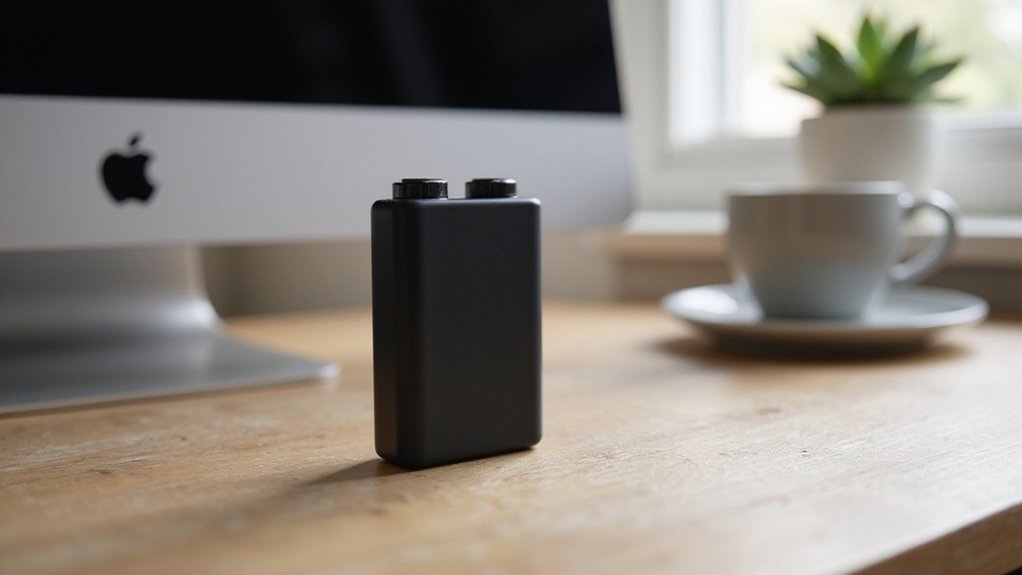

If you’re wondering how a gel battery works and whether it’s the right choice for your setup, you’re asking the right questions.
These sealed lead-acid batteries use gelled electrolyte to be spill-proof and durable, especially for deep cycling.
Knowing their strengths and limitations can help you decide if they fit your renewable or marine needs.
Keep reading to get the full scoop.
What Exactly Is a Gel Battery and How Is It Different?
A gel battery is a sealed, valve-regulated lead-acid cell where the electrolyte is immobilized by adding silica to sulfuric acid. This creates a gel-like substance that holds acid in place, making the battery spill-resistant and maintenance-free. Because the electrolyte is immobilized, there is less risk of stratification, where acid layers separate over time, ensuring more stable electrolyte performance. Unlike flooded batteries, gel batteries do not require routine watering, and the valve-regulated design manages internal gas build-up by venting only during overcharge conditions. This minimizes fluid loss and simplifies maintenance. For those comparing top picks, quality, performance, and value are key factors to consider when evaluating gel battery options. Additionally, these batteries are commonly used in deep-cycle applications such as renewable energy storage and electric wheelchairs. When integrating gel batteries with solar arrays, ensuring they are paired with MC4 connectors can simplify reliable system wiring.
A key structural difference from AGM batteries is that gel batteries suspend the electrolyte as a thick, jelly-like mass instead of using a fiberglass mat as a support. This difference means gel batteries require lower charging voltages; applying standard flooded or AGM charging rates can damage their delicate gel matrix permanently. Therefore, precise control of charging voltage is essential to maintain electrolyte stability and preserve the battery’s overall health.
The Biggest Advantages of Gel Batteries
Gel batteries offer several key advantages. They can tolerate deep discharges up to 80% of their capacity, significantly extending their cycle life compared to flooded batteries. This means you get more use out of each battery before needing a replacement, which lowers overall costs and minimizes environmental impact.
One of the most notable benefits is their leak-proof safety feature. The gelled electrolyte remains immobilized even if the case cracks, reducing spill risks and allowing flexible mounting in any orientation. This makes them suitable for diverse installation environments.
Gel batteries also exhibit low self-discharge rates, which helps them retain charge during standby periods—ideal for backup systems. Additionally, they integrate seamlessly into existing lead-acid recycling processes, facilitating high material recovery rates. This closed-loop recycling reduces environmental impact while maintaining the technical qualities required for demanding, deep-cycle applications. To ensure reliable connections during installation, it is vital to use the right crimping tools that match the terminal size and wire gauge.

ML35-12GEL is a 12V 35AH GEL rechargeable maintenance free battery.

【Warranty】2-year warranty guarantee.Maintain/charge the battery with a 0.25C (max.) charger. For instance, a 12V 100Ah battery should be charged with a 12V 25A (max.) AGM Battery Charger.

Capacity & Voltage: Provides 12 volts and 21 amp hours of usable power, ideal for deep-cycle usage in solar systems, backup power, mobility devices, and other 12V applications.
What Are the Main Downsides of Gel Batteries?
Gel batteries have several significant downsides that can limit their use in certain situations. One major drawback is their higher upfront cost, typically ranging from $100 to $300 or more. The increased expense stems from more complex manufacturing processes, making them less appealing for budget-conscious projects compared to AGM or flooded lead-acid batteries.
Charge management is also critical with gel batteries. They charge slowly, usually taking 6 to 8 hours, because their higher internal resistance prevents rapid current acceptance. Attempting to charge them too quickly can harm their performance and reduce lifespan. Overcharging is a serious risk; applying excess voltage creates voids within the gel, leading to irreversible damage. To prevent this, you need specialized chargers with tightly regulated voltage and current settings.
High-current performance is limited due to their high internal resistance. This restriction causes voltage drops under heavy loads, which can affect your device’s operation. Temperature sensitivity further complicates their use—they are vulnerable to heat, which damages the gel structure, and cold temperatures can cause the gel to crack. Additionally, gel batteries weigh more than lithium-ion alternatives, decreasing portability and flexibility in environments where weight matters.
How Do Gel Batteries Actually Work?
Gel batteries convert chemical energy into electrical power through a lead-acid reaction similar to flooded batteries, but their electrolyte composition is different. Instead of a free-flowing liquid, silica is mixed with sulfuric acid to create a gel-like, immobile substance. During discharge, lead dioxide at the positive plate reacts with this gel electrolyte, releasing electrons that flow through your external circuit, providing power. At the same time, lead sulfate forms on the plates. When you charge the battery, the reaction reverses: sulfate converts back into active material, and the electrolyte restores its strength. The sealed, valve-regulated design allows oxygen to recombine internally, reducing water loss and making maintenance minimal. To prevent damage to the gel structure, you should keep charging voltages between 14.1V and 14.4V. High temperatures can significantly shorten the real-world lifespan of a gel battery. If you are building a custom enclosure for your system, you may need a DIY Breaker Box Cover to properly house and protect the wiring. Understanding your power needs helps you choose whether a power inverter or a converter best supports your gel battery system.
Which Applications Actually Need a Gel Battery?
Gel batteries are ideal for applications where low maintenance, deep cycling, and safety are priorities. They are particularly well-suited for solar off-grid systems that require consistent daily cycling and tolerance for deep discharges. These batteries perform best in environments where regular, predictable energy use is expected, such as off-grid cabins and welfare units. To further extend their service life, owners should adopt simple habits like avoiding prolonged exposure to high temperatures, as excessive heat is a primary factor that shortens AGM battery lifespan. If you are designing a new system without a battery storage component, consider that solar chargers without batteries offer a different, lightweight power solution for direct device charging.
In marine settings, gel batteries offer spill resistance and vibration tolerance, making them reliable for house banks on boats and yachts. Their sealed design prevents leaks in confined spaces, ensuring safety and reducing cleanup efforts. This type of seal is similar to how heat shrink tubing provides a waterproof barrier by forming a tight, protective layer around electrical connections.
Critical standby systems like uninterruptible power supplies (UPS) used in data centers, hospitals, and telecom installations rely on gel batteries for their maintenance-free, sealed operation. Mobility devices such as wheelchairs and golf carts benefit from their steady discharge endurance and safety features.
Industrial equipment, including floor cleaners and remote sensors, often operates in harsh environments where low-maintenance, durable batteries are essential. In all these cases, gel batteries excel when cycle life, safety, and minimal upkeep are more crucial than the fast charging or high burst power capabilities offered by other lead-acid types.

【Up to 48V Battery Bank】The Power Queen 48V (4*12V) Battery Balancer features four connection ports for use with 24V, 36V, and 48V battery systems. The battery equalizer is perfectly suited for building a 48V battery bank to provide essential battery balance for applications like RVs, boat,trolling motors, and off-grid power.

✅【20A Smart PWM Charging for 12V Solar Systems】Designed for 12V solar power systems, this 20A PWM charge controller delivers stable and efficient battery charging. Optimized charging profiles help improve battery performance and extend service life for everyday off-grid applications.

Flush Mount Design: LNEX solar charge controller 40A installs flush into walls (mounting kit included) and offers real-time monitoring via LCD display charging status with battery voltage, charging current, charging capacity and battery temperature. Perfect for solar panel charge controller setups in RVs and off-grid applications
Gel Battery vs. AGM: What’s the Real Difference?
Gel and AGM batteries differ primarily in their electrolyte structure and performance characteristics. AGM batteries use a glass-mat separator to hold the electrolyte through capillary action, making them less sensitive to charger mismatch, which allows for faster recharging and lower internal resistance to handle high surge currents. Gel batteries immobilize the electrolyte with silica, requiring tighter voltage control but excelling in deep-cycle applications and high-heat environments.
AGM batteries tend to be more affordable and widely available, making them suitable for general use. Meanwhile, gel batteries last longer in niche roles such as deep cycling or hot climates where their longevity offsets the higher cost. Both types are Valve-Regulated Lead-Acid (VRLA), so recycling processes are similar. Environmentally, gel batteries tend to generate less waste in hot climates due to their longer lifespan, whereas the broader use of AGM batteries results in larger recycling volumes overall. For cold-start power, AGM batteries are preferred, while gel batteries are better suited for enduring frequent deep cycles.

Advanced GEL Deep Cycle Power: This 12V deep cycle battery is engineered for high-recovery performance and deep discharges with VRLA GEL technology.

🔋【3-in-1 Battery Charger, Desulfator, Maintainer】The 12V 24V battery charger is designed to charge and maintain 12 volts or 24 volts batteries, it can works as 12Amp quick battery charger. Compatible with all 12.6V Lithium-ion batteries,12V and 24V lead-acid automotive,marine, deep-cycle batteries: flooded,gel,AGM,maintenance-free,WET,CAL,EFB batteries in Car,motorcycle,lawn mower,ATV,truck,tractor,SUV,boat marine, etc.🎁Nice holiday gifts for Christmas day,New year,etc.

Gel vs. Lithium-Ion: Which Battery Wins?
Lithium-ion batteries outperform gel batteries in energy density, cycle life, and efficiency. Lithium-ion offers 100 to 300 Wh per kilogram, far surpassing gel’s 25 to 50 Wh per kilogram. This makes lithium-ion ideal for compact applications where space is limited. It can also provide between 2,000 and over 5,000 charge cycles, often three times longer than gel batteries. Charging speeds are faster with lithium-ion, and it operates more efficiently, but it requires specialized battery management systems and careful thermal regulation to prevent overheating. Gel batteries, on the other hand, are more heat tolerant and better suited for stationary solar or marine environments. They also feature simpler designs and lower upfront costs. However, lithium-ion batteries present challenges with recycling, as their processes are less mature than those for lead-acid batteries, complicating end-of-life handling and manufacturing logistics. When comparing options, reviewing a best solar panel kit can help you select the right battery for your setup. Overall, lithium-ion excels in energy density and lifespan, while gel batteries offer simplicity and resilience in high-temperature settings.

【Full Compatibility -Edge Series Cameras】Seamlessly compatible with all moultrie edge cellular trail camera (Edge/Edge Pro/Edge 2/Edge 2 Pro) . Precisely fits original battery slots, Trusted by hunters and wildlife researchers.
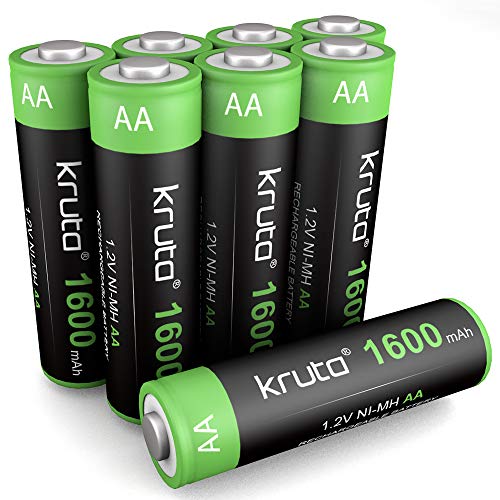
【High Capacity&Long Lasting】:1600mah high capacity AA rechargeable battery will lasting much longer time to ensure your outdoor lights always has enough power to light all night. Also can replace 600mAh, 800mAh, 1100mah, etc NiCd or Ni-MH AA cells AA battery.

Note: It’s rechargeable Ni-MH AA Battery, 1.2V battery, designed exclusively for use with 1.2V devices. For charging, please use the EBL AA NiMH charger. For safety during transportation, the batteries are not fully charged, pls kindy charge it before first use. 【Perfect Solar Batteries】 Exact size AA batteries designed for solar lights, outdoor garden lights, mouse, keyboards, TV remotes, toys, game controllers, digital camera, will fit all your device perfectly in daily life usage, high quality AA rechargeable batteries supply long lasting power, great convenience and good performance.
What Charger Works Best With a Gel Battery?
A smart, voltage-regulated charger with a dedicated gel mode and a three-stage charging profile—bulk, absorption, and float—is best suited for gel batteries. Look for a charger that targets specific voltage limits: 14.1 to 14.4 volts for absorption and 13.5 to 13.8 volts for float in 12-volt systems. The charger should have automatic temperature compensation to adjust voltage based on battery temperature, preventing overcharging in heat and undercharging in cold conditions. Correct charger settings are essential for safety and battery longevity at home.
Ensure the charger’s bulk current does not exceed 10 to 20 percent of your gel battery’s amp-hour capacity to avoid overheating. Low-ripple regulation is important to minimize voltage fluctuations that can damage the delicate gel cells. Choose a unit with manual voltage adjustment options to match the manufacturer’s recommended charging specifications.
Avoid chargers with an equalize function because gel batteries cannot tolerate overcharging or equalization processes. The best chargers also include precise control features, such as a dedicated gel setting and multiple charging stages, to maximize battery life and performance. Never use an unregulated automotive charger, as it lacks the control needed to safely charge gel batteries effectively.
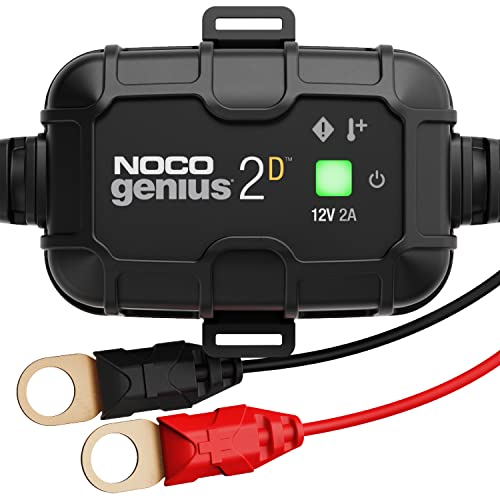
MEET THE GENIUS2D — The all-new direct-mount onboard battery charger for an under-the-hood battery charging system and year-round battery maintenance.

LiFePO4 LEAD-ACID SMART BATTERY CHARGER - 12V 15-Amp and 24V 8-Amp 9-stage quick battery charger, significantly faster than standard 10-Amp or 8-Amp chargers. Perfect for charging or repairing all 12V and 24V LiFePO4 and lead-acid batteries, including AGM, GEL, SLA, and Flooded types. Ideal for cars, trucks, SUVs, motorcycles, lawn mowers, boats, and marine applications. Note:(This is a battery charger not battery jump starter).

3A FASTER CHARGING — Delivers a powerful 3A output, 50% faster than standard 2A chargers. One unit works as a car battery charger, battery maintainer, trickle charger, and battery desulfator.
Can You Use a Gel Battery in Any Orientation?
Gel batteries are not suitable for installation in any orientation. While they are sealed and spill-proof, you must strictly follow the manufacturer’s installation instructions. Many gel models, such as Rolls OPzV GEL, require upright positioning unless otherwise specified. Some models like GNB RELAY GEL can be mounted vertically with posts, but side mounting often requires support along the long case side rather than the shortest end. Installing a gel battery upside-down is generally prohibited and can lead to venting issues, increased leakage risks during abnormal conditions, and compromised thermal stability. Just as a tripping breaker signals an electrical overload or short circuit, ignoring your battery’s orientation requirements can cause system failure. For DIY solar panel mounts, careful material selection and assembly steps are critical to avoid putting unnecessary stress on the battery casing, which can be just as damaging as mounting a battery in the wrong orientation. Using a battery isolator can help prevent this type of system failure by managing charge distribution between multiple batteries. Always consult your specific battery’s manual before deviating from a vertical setup to ensure safety and optimal performance.
How to Extend Your Gel Battery’s Lifespan
To extend your gel battery’s lifespan, follow these essential maintenance practices. Use a gel-specific charger set to 2.35V per cell during absorption and 2.25V during float at 25°C. Enable temperature compensation of -3 to -5 mV/°C to prevent overcharging, especially when operating in varying temperatures. Avoid deep discharges; cycling the battery at 50% depth of discharge can yield around 1000 cycles, but this drops significantly to about 250 cycles at 100% discharge. Recharge the battery promptly after use to minimize sulfation, which can impair performance. Keep the battery within a temperature range of 20°C to 25°C because higher temperatures accelerate chemical aging. For storage, fully charge the battery beforehand and recharge every 9 months if stored below 20°C. If stored above 30°C, recharge every 3 months to maintain optimal health. Regularly clean the terminals to reduce resistance and ensure efficient power exchange. When the battery finally reaches the end of its life, prioritize recycling to prevent environmental contamination from toxic materials. For optimal charging compatibility, use a lithium battery charger reviewed for reliable performance. Additionally, applying a proper absorption voltage that matches manufacturer specifications helps prevent gas buildup and electrolyte loss.