
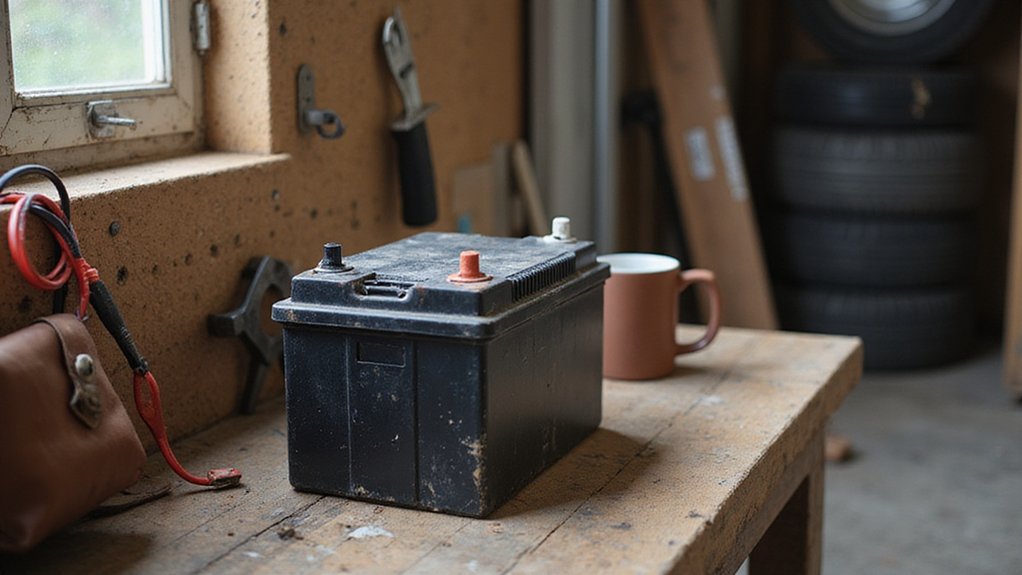

Wondering how long your AGM battery will actually last? Most last between 3 and 7 years, but their true lifespan can vary based on how you use and care for them.
Factors like discharge depth, charging quality, and temperature all play a role.
In this article, you’ll find out how these elements impact your battery’s longevity and how to maximize its life.
Keep reading to learn what makes your AGM battery last longer or wear out sooner.
What’s the Typical AGM Battery Lifespan?
Most AGM batteries last between 3 and 7 years under normal conditions. Your specific application influences where your battery will fall within this range. In starter duty, expect around 3 to 5 years before internal resistance increases and performance declines. For float applications such as UPS or backup power systems, a lifespan of 5 to 8 years is typical due to minimal cycling. In cyclic setups like solar or marine use, the lifespan drops to 3 to 5 years, and with intensive deep cycling, it can be as low as 2 to 4 years. Deep discharges accelerate chemical degradation, leading to earlier replacement. You should review your breaker box display to ensure the charging system provides consistent voltage, as fluctuations can shorten battery life. When an AGM battery reaches the end of its life, recycling is crucial to recover lead and sulfuric acid, which helps prevent environmental harm. Achieving a 10-year lifespan requires stable, cool conditions and shallow discharges, but this is rarely observed in practical scenarios. This lifespan is also influenced by the quality of electrical connections made with properly crimped terminals. Using a high-quality crimping tool ensures these connections are secure and reliable.
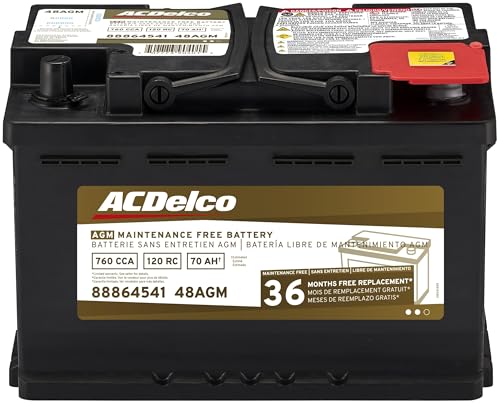
High density negative paste, improves performance and increases battery life
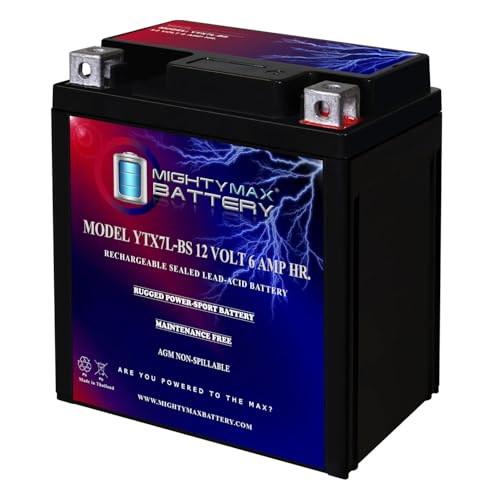
YTX7L-BS is a 12V 6AH 100 Cold Cranking Amps (CCA) Sealed Lead Acid (SLA) Battery

Universal Compatibility: Ideal 12V lead acid battery for kids electric car or to use as APC battery replacement, alarm battery, 12V 8Ah -12V 9Ah battery, mobility scooter battery replacement or electric bike battery with (+ -) polarity.
5 Factors That Control AGM Battery Lifespan
Controlling depth of discharge is crucial because it directly influences your AGM battery’s cycle life. Keeping the DoD shallow, such as around 50%, helps maintain chemical stability and prolongs the battery’s usable lifespan. Going beyond 80% DoD dramatically reduces the number of charge-discharge cycles your battery can endure before capacity drops significantly. Frequent deep discharges cause faster capacity loss and wear out the internal components more quickly. For long-term reliability, selecting a model with superior build quality can also help resist wear from repeated deep cycling.
Charging quality is equally important. Overcharging can dry out the sealed design, leading to reduced performance and potential damage. Undercharging, on the other hand, encourages sulfation—crystals forming on the plates that hinder capacity. Precise voltage regulation maintains the proper chemical reactions, ensuring your battery stays healthy longer. Temperature plays a key role, too: heat accelerates internal aging and shortens lifespan above 25 degrees Celsius, while cold temperatures reduce usable capacity and can pressure you to discharge further to meet your power needs. For balcony setups, pairing your battery with high-efficiency solar panels can help maintain a more consistent charge profile. Using panels that feature MC4 connectors simplifies installation and ensures reliable, weather-resistant connections for your system.
Usage patterns also matter; repeated cycling wears the battery faster than standby or float operation. Proper maintenance such as correct charging, stable storage, and vibration control help your AGM battery withstand these stresses. By managing these factors diligently, you can significantly extend the practical lifespan of your AGM battery.
AGM Battery Lifespan by Vehicle Type: Cars, Trucks, and SUVs
AGS batteries typically last between 3 and 5 years in cars. Premium units, however, can make it up to 10 years under ideal conditions. Start-stop systems increase cycling frequency, which can reduce overall lifespan, while under-hood heat accelerates battery wear. When disconnecting such batteries, always remove the negative cable first to minimize short-circuit risk. For those seeking extended protection, choosing a model with battery backup support can improve reliability during power fluctuations. Trucks with higher vibration and electrical demands usually see a lifespan of 3 to 5 years. Heavy-duty use and constant vibration can shorten battery life, but regular maintenance routines can help extend it. SUVs generally fall between cars and trucks, lasting 4 to 7 years due to less frequent cycling and cooler mounting locations. Variations are common: cars tend to be on the lower end, trucks on the wider side, and SUVs in the middle. Proper maintenance and understanding of these vehicle-specific factors are key to managing replacement schedules effectively, along with considering recycling at end-of-life. When choosing a replacement, be aware that the main disadvantage of AGM batteries is their higher cost compared to traditional flooded batteries.

High density negative paste, improves performance and increases battery life

Fast Starting Power: This 12V 70Ah 760 CCA delivers strong, steady starts is ready for any weather in any season.
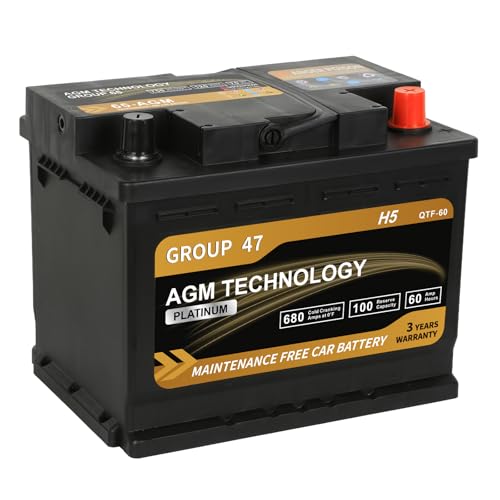
✅ Perfect Fit & Compatibility: BCI Group Size 47 (H5), 12V 60Ah, 680CCA, 100RC. Dimensions: 9.52" L x 6.89" W x 7.48" H. Terminal: Tapered terminal (Left negative (-), Right positive (+)). Ensure proper fit by comparing the size, terminal position, and CCA with your original battery. This ensures compatibility and avoids any fitment issues for your vehicle.
Signs Your AGM Battery Lifespan Is Ending?
Your AGM battery is nearing the end of its lifespan if you notice a decline in starting performance. This includes slow engine cranking, longer start times, or clicking sounds during startup, all signals that the battery is not delivering enough cold-cranking amps. Cold weather makes these issues more apparent because the demand for cranking power spikes. Additionally, check the voltage retention: if the battery quickly loses charge after a full recharge or consistently shows open-circuit voltage levels below 12.6 volts, sulfation or increased internal resistance are likely causing internal deterioration. Using a multimeter with battery testing can confirm if the voltage is dropping below this critical threshold. Choosing a breaker box with breakers that supports consistent power delivery can help prevent premature battery drain in home systems. For reliable power conversion, integrating a pure sine wave inverter ensures stable voltage output for sensitive electronics.
Signs can also appear in dim or flickering lights during startup, reflecting unstable voltage output. Physically, look for case swelling, cracks, or corrosion on the terminals, which are signs of internal pressure build-up or connection failures. If your vehicle’s start-stop system disables itself, it’s a clear indicator of reduced battery health. When testing shows capacity below half of the rated value or poor acceptance of charge after multiple attempts, it’s time to replace the battery. Swelling combined with difficulty starting should prompt immediate replacement and proper recycling. Always follow correct installation procedures to prevent further damage and ensure safety.
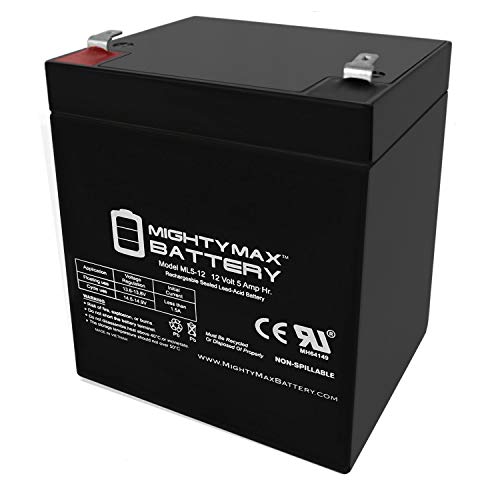
ML5-12 SLA is a 12V 5AH Sealed Lead Acid (SLA) rechargeable maintenance free battery
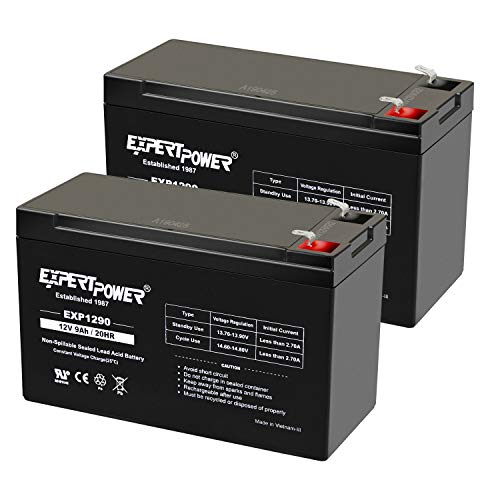
Universal Compatibility: Ideal 12V lead acid battery for kids electric car or to use as APC battery replacement, alarm battery, 12V 8Ah -12V 9Ah battery, mobility scooter battery replacement or electric bike battery with (+ -) polarity.

ML8-12 SLA is a 12V 8AH Sealed Lead Acid (SLA) rechargeable maintenance free battery - UL Certified
5 Tips to Maximize AGM Battery Lifespan
To maximize your AGM battery’s lifespan, keep its depth of discharge above 50%. Limiting discharge to 50% results in roughly 550 charge cycles, while discharging to 80% reduces lifespan to about 300 cycles. Deeper discharges increase internal wear and sulfation buildup, so it’s crucial to recharge promptly after use to prevent damaging the plates. Use a proper AGM-compatible charger set between 14.2V and 14.7V, adjusting voltage based on temperature—lower voltage in heat, higher in cold—to avoid overcharging, which permanently harms the plates. For safe and effective maintenance, follow proper cable clamp installation to ensure secure electrical connections. Controlling temperature is also essential; heat accelerates aging, halving your battery’s life for every 15°F increase above 77°F. Store the battery fully charged in cool, dry conditions between 50°F and 77°F to slow self-discharge. Regularly check and maintain the battery by cleaning terminals, inspecting cables, and recharging before voltage drops too low. These simple steps help prevent hard sulfation and extend the overall lifespan. When it’s time to dispose of the battery, prioritize recycling to recover lead and acid safely and responsibly. For example, a 100w solar panel can only sustain small loads, so pairing it with a too-large AGM battery risks chronic undercharging and reduced cycle life. Testing your battery’s voltage with a multimeter set to DC volts can quickly confirm if it is within the healthy range before troubleshooting further.