
Off grid and backup power, explained
How big does your solar setup actually need to be?
That single question decides every other purchase you make. Get it right and your panels, controller, battery, and inverter work together the first time you flip the switch. Get it wrong and you end up with a controller that cannot handle a cold morning, or a battery bank that is flat by two in the morning. So we do the sizing math first. Then we talk about what to buy.
Power flows in one direction, and so does every decision
Panels
Charge controller
Battery bank
Inverter
Wiring and fusing
Start here
Work through it in the order the power moves
Most sites hand you a top ten list and hope for the best. That is backwards. Every part in a solar system has to match the part beside it, so the only safe way to shop is in sequence. Each step below tells you what to size first, and then which guide to read when you are ready to pick a product.
01
Size the array before you price a single panel
Add up the watt hours you use in a day, then build an array that can refill that on an average day, not a perfect one. Panels are rated at 25 degrees Celsius in a lab, and a hot roof in July will pull real output below the sticker number. Most builders plan on getting roughly three quarters of the rating once heat, dust, wiring loss, and controller efficiency are counted. Plan for the bad day and the good days take care of themselves.
02
Match the charge controller to the array, not the battery
Divide array watts by battery voltage to find the current the controller has to pass. A 400 watt array on a 12 volt bank works out to about 33 amps, so a 40 amp controller is the sensible pick. Then check the input voltage ceiling, because panel open circuit voltage climbs as temperature drops. A string that reads 90 volts on a warm afternoon can push past 100 volts on a freezing morning, and that is how controllers die.
03
Pick the chemistry, then pick a charger that speaks it
Lithium iron phosphate and lead acid want different voltages, different absorption times, and different behaviour in the cold. A charger set to a flooded battery profile will chronically undercharge a lithium bank, and a lithium profile will slowly cook an AGM. This is the most common wiring mistake we see reported, and it is also the easiest one to avoid. Choose the battery first, then buy the charger that has a proper profile for it.
04
Size the inverter for the surge, not just the run
A compressor fridge might run at 120 watts and still ask for several hundred for the first fraction of a second it starts. Anything with a motor behaves this way, including pumps, compressors, and power tools. Read the continuous rating and the surge rating as two separate numbers, and check that pure sine output is on the spec sheet if you plan to run electronics, a CPAP, or a modern fridge.
Building something more specific? We also cover inverters for a car, truck, or van and solar converters that feed an inverter.
The numbers that matter
A 100 amp hour battery is not a 100 amp hour battery
This one catches almost everybody. Battery capacity is printed on the label, but the amount you can safely take out is a completely different figure, and it depends entirely on chemistry. Lead acid banks are normally held to about half their rated capacity, because draining them deeper shortens their life fast. Lithium iron phosphate is commonly rated for eighty to one hundred percent depth of discharge, so far more of what you paid for is actually available.
125%
The headroom the National Electrical Code asks for when you size a conductor or overcurrent device for a continuous load. Size to the real current, then add a quarter on top.
3%
The voltage drop most DIY builders design to on a low voltage run. Thin wire steals watts quietly, and at 12 volts a small drop is a large share of the total.
2x to 6x
How much extra current a motor driven load can pull at startup, above its running draw. It lasts a moment, but your inverter has to survive it every single time.
Usable capacity from a nominal 100 amp hour bank
Each bar shows the amp hours you can actually pull out. The pale track behind it is the full rating you paid for, and the dotted line marks the halfway point.
Figures reflect the depth of discharge each chemistry is normally rated for in manufacturer documentation. Real usable capacity also moves with temperature, discharge rate, and age. Sourced from published manufacturer specifications and owner reported results, not from hands on lab testing.
Quick tip
Do the capacity math in watt hours, not amp hours. Amp hours only mean something next to a voltage, so a 100 Ah bank at 12 volts and a 100 Ah bank at 24 volts are two very different batteries. Watt hours let you compare anything to anything, and they line up neatly with the numbers printed on your appliances. It is a small habit that prevents a lot of expensive confusion.
Fresh from the bench
The latest guides
New sizing walkthroughs, wiring explainers, and component picks. Every one of them starts with the math and ends with a plain recommendation. Jump in anywhere.

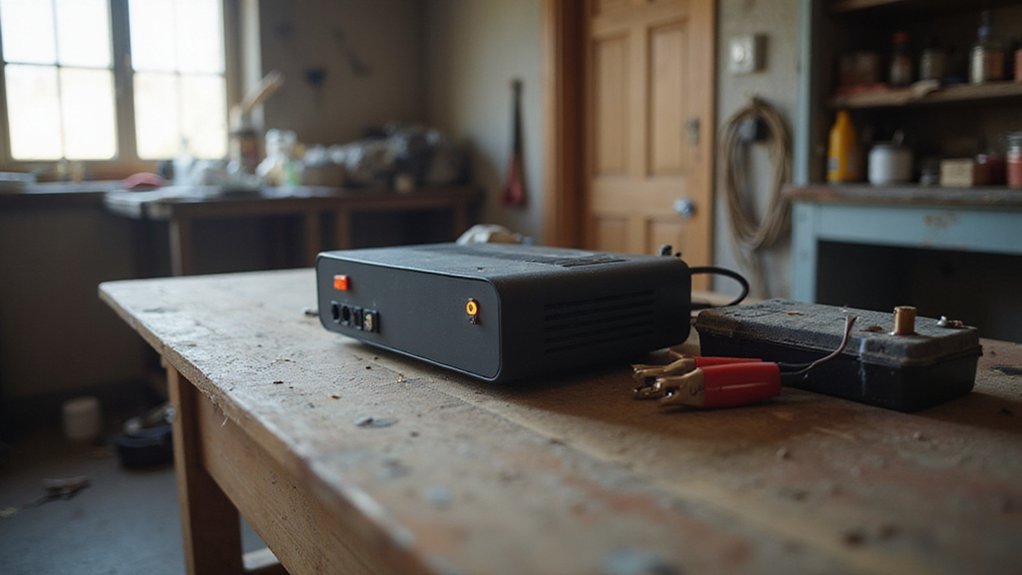
5 Best Battery Chargers That 6-Volt Batteries Actually Love
Read this: 5 Best Battery Chargers That 6-Volt Batteries Actually LoveMost 6-volt chargers ruin your battery, but these five won’t.
What Is a Microinverter? Everything You Need to Know
Read this: What Is a Microinverter? Everything You Need to KnowLearn how each solar panel’s microinverter works independently—your roof’s efficiency depends on it.
10 Best Solar Panels With MC4 Connectors That Are Built to Last
Read this: 10 Best Solar Panels With MC4 Connectors That Are Built to LastHunt for durable solar panels with MC4 connectors that resist cracking and corrosion, but which ones truly last?
What Is a Battery Load Tester? Everything You Need to Know
Read this: What Is a Battery Load Tester? Everything You Need to KnowLearn how a battery load tester reveals hidden battery problems your multimeter completely misses.
5 Best Solar Panels That Make Renewable Energy Actually Worth It
Read this: 5 Best Solar Panels That Make Renewable Energy Actually Worth ItNeed solar panels that actually deliver? These five finally make renewable energy worth your time.
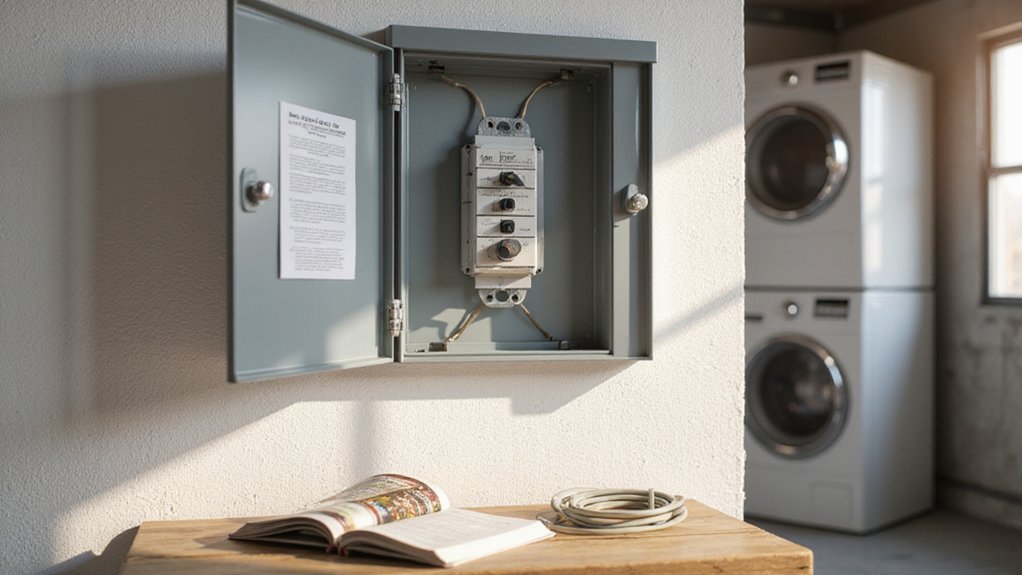
What Does Range Mean on a Breaker Box? Function & Purpose Explained
Read this: What Does Range Mean on a Breaker Box? Function & Purpose ExplainedGrasp why the “Range” breaker label is critical for high-power cooking appliances, and discover a common mistake that risks safety.




Browse by topic
Pick the part of the system you are stuck on
Home solar power systems
The main hub. How a complete system fits together, from the first panel to the last fuse, whether you are powering a van, a shed, a cabin, or a fridge through an outage.
Comparisons and buying choices
MPPT or PWM. Lithium or AGM. Pure sine or modified sine. The head to head calls that decide where your money goes, with the trade offs spelled out plainly.
Installation, DIY and wiring guides
Wire gauge, fusing, series against parallel, grounding, and mounting. The hands on side, written so you can follow it with the parts in front of you.
Solar battery basics explained
Chemistry, depth of discharge, cycle life, charging profiles, and what cold weather really does to a bank. Start here if the battery section is where you got lost.
Reviews
Component by component picks, once you know the size you need. Every entry says who it suits and, just as importantly, who should skip it.
Keep reading
Not sure which part to figure out first?
Start with the battery. It sets your usable energy, it sets the voltage everything else has to match, and it is usually the most expensive single thing you will buy. Once the bank is settled, the array, the controller, and the inverter all fall into place around it.
Everything on Volt Brook is built from manufacturer specifications, published manuals and standards, and verified owner reports. We do not run hands on lab tests, and we say so on every guide.