


Have you ever wondered what makes AGM batteries stand out for start-stop systems or deep-cycle use? These batteries use fiberglass mats to immobilize the electrolyte, making them sealed, maintenance-free, and spill-proof. They offer longer lifespan and faster recharge times compared to traditional flooded batteries.
Keep reading to learn everything you need to know about AGM batteries and how they compare to lithium options.
What Is an AGM Battery and Why Does It Matter
An AGM battery is a type of lead-acid battery that uses an Absorbent Glass Mat to improve performance and safety. This fiberglass mat sits between the lead plates, absorbing and immobilizing the electrolyte. As a result, the battery is sealed and maintenance-free, resistant to spills and leaks. The design allows for efficient oxygen recombination, which reduces water loss and extends the battery’s lifespan. The immobilized acid also lowers the risk of corrosion around terminals and internal connections. Because the mat keeps constant contact with the plates, power delivery remains stable over time and internal degradation is minimized. Additionally, the structural compression enhances vibration resistance, preventing premature failure. This sealed, spill-proof construction makes AGM batteries safer to operate in confined spaces and requires no fluid level checks, making them a reliable choice for many applications. For those needing reliable backup power, pairing an AGM battery with a pure sine wave inverter ensures clean, stable electricity for sensitive electronics. Unlike some gel batteries, AGM batteries offer faster recharge rates and higher current discharge capabilities for demanding loads. When selecting an inverter for your system, comparing top power inverters for batteries can help match the right unit to your AGM battery’s discharge capabilities.
Top Benefits of AGM Batteries for Your Vehicle
AGM batteries are sealed and maintenance-free, so you never need to check or refill electrolyte levels. This eliminates a routine chore required by conventional flooded batteries. Their tight plate-and-mat construction offers superior vibration resistance, providing longer reliability in rough terrains. With high charge acceptance, they recharge faster, and their low internal resistance delivers strong burst power during engine starts. Simple habits like avoiding extreme temperatures and ensuring proper charging can significantly extend their lifespan. They typically last two to three times longer than flooded batteries and support deep-cycle use for repeated discharges. The spill-proof design reduces the risk of corrosion and allows flexible mounting positions. Proper recycling at the end of their service life helps minimize environmental impact by safely disposing of hazardous materials. For those seeking top battery picks with terminals, these models are often rated for quality and performance. Using properly crimped wire ferrules ensures secure connections in your vehicle’s electrical system. Overall, AGM batteries require less upkeep while offering enhanced performance and durability.
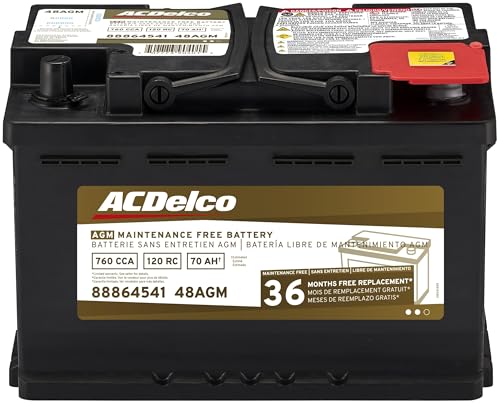
High density negative paste, improves performance and increases battery life

BATTERY SPECS: 12-Volt, 750 Cold Cranking Amps, Size: 10" x 6 7/8" x 7 13/16" tall, Weight: 43.5 pounds, Dual SAE & GM Terminals, C20 Capacity: 55 AH
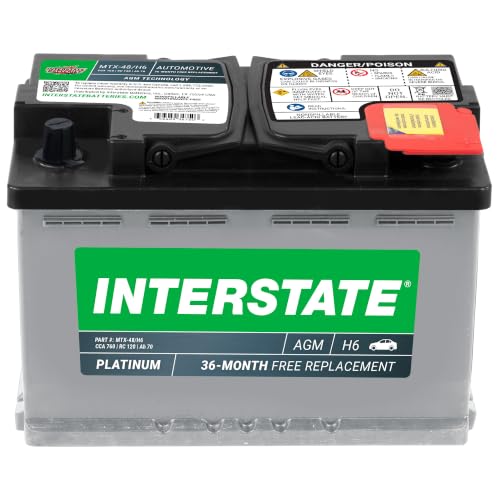
AUTOMOTIVE PURE LEAD AGM: Download the Compatibility Guide below under Product Guides & Documents to learn more and verify fit. Interstate's MTX AGM design packs more lead into the battery, giving you the longest life possible for your start-stop vehicle
How AGM Batteries Compare to Flooded and Lithium Options
AGM batteries generally cost less upfront than lithium options but deliver fewer cycles over their lifespan. Their deeper-cycle capacity is typically around 50% of their total capacity, limiting your usable energy. In comparison, lithium batteries like LiFePO₄ offer 80-100% usable capacity and can endure 3,000 to over 5,000 cycles, making them more cost-effective in the long run.
AGMs are sealed, maintenance-free, and resistant to spill risks, making them easier to handle. However, they are heavier—roughly twice the weight of an equivalent lithium battery—affecting portability and installation. Lithium batteries have a higher initial price but provide a longer lifespan and more cycles, which can reduce replacement costs over time. The choice depends on your budget, discharge needs, and long-term plans, as the upfront cost difference can lead to significant savings or expenses down the line.

32lbs - The lightweight design of the Newport deep Deep cycle battery makes it easy to transport and install in your marine vessel. Enjoy powerful and reliable performance without adding unnecessary weight to your boat.

【Exceptionally Safe Chemistry & Minimal Troubleshooting】Compared to batteries made of other chemistries, Renogy Deep Cycle AGM batteries offer exceptional safety due to their higher chemical stability. Their integrated internal structure and sealed design spare you from intricate internal troubleshooting, a feature not shared by lithium batteries.
Renogy AGM Batteries: Trusted Worldwide, Exceptional Safety, Extreme Performance! Support series (No limitation), parallel (Up to 4P) connections
Best Uses for AGM Batteries and Their Key Limitations
AGM batteries excel in applications that require sealed safety, vibration resistance, and moderate-to-high power output, rather than frequent deep cycling. They perform best in automotive start-stop systems, marine trolling motors, RV house batteries, and uninterruptible power supplies (UPS). Their sealed design prevents spills, making them suitable for cold environments and equipment subject to constant vibration. They maintain a stable float voltage, which is key for long-term standby power, and they have low self-discharge rates, reducing maintenance needs. However, you need to handle them carefully: overcharging can damage AGMs, so precise voltage regulation is essential. During power outages, an AGM battery bank requires a compatible inverter to avoid faults, much like resetting a SolarEdge inverter after a grid event. Deep cycling them daily leads to gradual capacity loss, and they store less energy per weight compared to lithium alternatives. When installing a backup system, ensuring a proper interlock kit for Square D is installed prevents dangerous backfeeding into the grid. Proper recycling mitigates environmental impact, as recovering lead and sulfuric acid remains critical. Always store AGM batteries fully charged to avoid damage, which ensures dependable starting power and auxiliary energy for years of reliable service. When selecting a backup power source, solar generator comparisons often highlight how AGM batteries pair with charge controllers for sustained off-grid performance.
Is an AGM Battery Worth the Higher Price Tag?
The higher upfront cost of an AGM battery is often justified by its longer lifespan and additional benefits. While AGM units can cost 40 to 100 percent more than flooded batteries—typically $80 to $110—it’s important to consider how long they last. Flooded batteries usually last between 3 and 5 years, whereas AGM batteries often deliver 4 to 7 years, and sometimes even up to 10 years. This extended service life means you may pay more initially but spend less over time due to fewer replacements. You can verify this longevity with a battery load tester, which measures a battery’s ability to hold voltage under stress. Additionally, AGM batteries are more environmentally friendly because their longer lifespan reduces the frequency of disposing of old batteries. The sealed design also prevents acid spills and reduces maintenance needs, lowering your safety risks. For vehicles with high electrical loads, start-stop systems, or frequent cycling, investing in an AGM battery makes sense. You’re paying not just for the battery itself but for greater reliability, less downtime, and potentially lower total lifecycle costs. When paired with a power inverter, an AGM battery’s deep cycle capability ensures steady power for extended off-grid use. Understanding how the inverter’s conversion process transforms DC power from the battery into usable AC power helps you appreciate the efficiency gains from this combination.
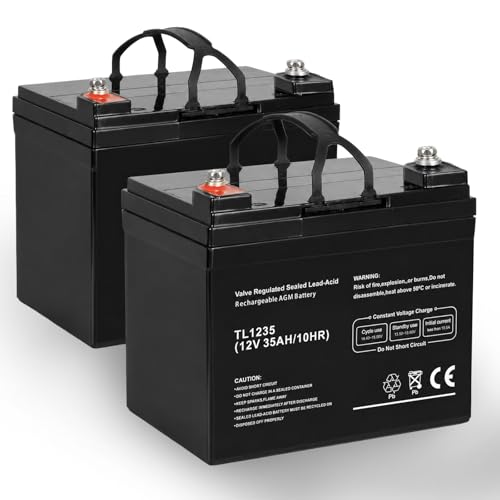
EXTENDED POWER: 12 Volt 35AH deep cycle capacity delivers reliable energy for RVs, UPS backup, marine, camping, off-grid solar setups and more, ensuring longer run times and consistent performance

Maintenance Free: Manufactured with thick absorbent Glass Mat (AGM) seperators and advanced valve regulated technology, Renogy deep cycle agm batteries save you from acid leakage and frequent maintenance..Batteries Required:no

MAINTENANCE FREE: 12.99x 6.73x 8.43 inches. Weize 12v 100Ah sealed lead acid battery is manufactured with absorbent glass mat(AGM), which can help to save you from acid leakage and frequent maintenance. Terminal: Left : Positive (+)-Red, Right: Negative (-)-Black. Terminal: Left : Positive (+)-Red, Right: Negative (-)-Black.
How to Charge and Maintain Your AGM Battery
To charge an AGM battery correctly, you should use a charger with an AGM mode that provides a specific voltage profile. During bulk or absorption charging, set the voltage between 14.4 and 14.8 volts, and then switch to a float stage at 13.2 to 13.8 volts. Always incorporate temperature compensation, as voltage targets must adjust with temperature changes to prevent damage or undercharging. For 6 volt AGM batteries, it is essential to use a high-quality 6 volt battery charger that provides the correct voltage settings. Choosing a breaker box with integrated overcurrent protection ensures your charging system safely handles any electrical faults.
Charge until the current drops to approximately 0.05C or less than 0.10 amps over one hour. Maintaining charging current between 10% and 30% of the battery’s capacity helps prevent overheating and prolongs battery life. Avoid undercharging because incomplete cycles accelerate sulfation, reducing performance over time. During storage, keep the battery fully charged in a cool, dry place and recharge every two to three months to counteract self-discharge. Disconnect the terminals to eliminate parasitic drain, and never use an unregulated trickle charger, which can damage the AGM battery. For reliable backup power, consider a power inverter generator instead of a traditional generator, as it provides cleaner electricity that better protects sensitive electronics. Following these charging techniques ensures your AGM battery performs optimally and lasts longer.

🔋【3-in-1 Battery Charger, Desulfator, Maintainer】The 12V 24V battery charger is designed to charge and maintain 12 volts or 24 volts batteries, it can works as 12Amp quick battery charger. Compatible with all 12.6V Lithium-ion batteries,12V and 24V lead-acid automotive,marine, deep-cycle batteries: flooded,gel,AGM,maintenance-free,WET,CAL,EFB batteries in Car,motorcycle,lawn mower,ATV,truck,tractor,SUV,boat marine, etc.🎁Nice holiday gifts for Christmas day,New year,etc.
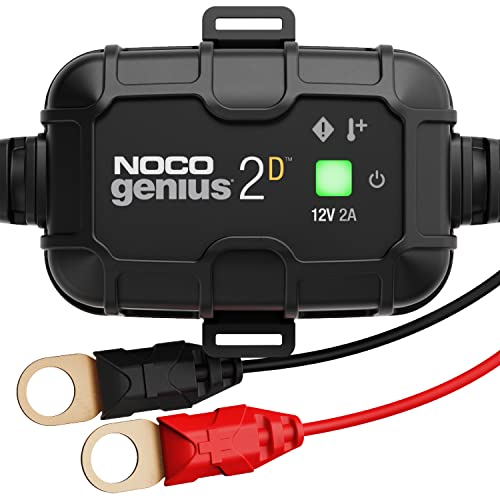
MEET THE GENIUS2D — The all-new direct-mount onboard battery charger for an under-the-hood battery charging system and year-round battery maintenance.

PREVENT BATTERY FAILURE: Ensure reliable starts after storage with this 4-in-1 device that charges, maintains, tests, and restores batteries for cars, motorcycles, ATVs, trucks, SUVs, and boats.