
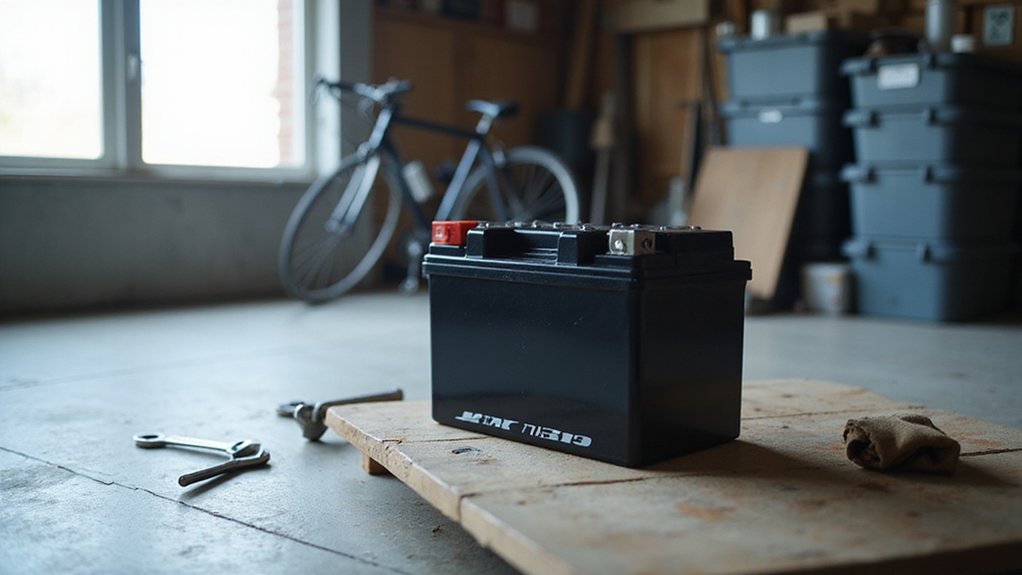

Ever wondered how to keep your devices running smoothly for long periods without frequent recharging? Deep cycle batteries are designed to do just that, providing steady power over hundreds or even thousands of cycles.
They’re perfect for solar systems, boats, and off-grid setups.
Here’s what you need to know to choose the right one for your needs.
What Exactly Is a Deep Cycle Battery?
A deep cycle battery is a rechargeable power source designed for sustained energy delivery over many charge and discharge cycles. Unlike starter batteries that deliver short bursts of high current, a deep cycle battery allows you to drain a significant portion of its capacity—often up to 80%—without damaging it. This capability makes it ideal for applications like solar energy storage, RVs, and marine use. The thicker lead plates in lead-acid models help withstand the repeated deep discharges, but the battery’s chemistry ultimately determines its cycle life. To maximize efficiency, you should adhere to manufacturer recommendations regarding discharge limits, which are typically around 45%. Proper recycling at the end of its life is essential to recover valuable materials and prevent environmental harm. Recycled materials like lead and sulfuric acid support sustainable energy practices and reduce waste. Just as cable ties secure and organize your setup, choosing the right battery type ensures your system remains efficient and reliable. For optimal performance, compare old breaker box options to ensure compatibility with your power distribution needs. When pairing with a top solar generator, deep cycle batteries can provide consistent backup power for home or outdoor use.
How Deep Cycle vs. Starter Batteries Differ
Both deep cycle and starter batteries store electrical energy, but their designs are optimized for different purposes. A starter battery is built to deliver a high burst of current—often thousands of amps—to crank an engine in just a few seconds. It features thin plates, which reduce resistance and allow for quick energy release, but these plates can only withstand shallow discharges of about 1–5 percent. Once the engine starts, the alternator recharges the battery rapidly.
In contrast, a deep cycle battery is designed for sustained power output over extended periods. It can tolerate discharges down to about 50 percent of its capacity repeatedly without damage. Its thicker plates and denser active material make it suitable for applications like solar energy storage or powering electric vehicles, where regular deep discharges and slow, steady energy release are needed. For RV owners, choosing the right deep cycle battery is crucial for powering onboard appliances during extended trips. When selecting a battery, it helps to review top battery picks that compare quality, performance, and value for similar applications. Handling these batteries properly involves different maintenance protocols: deep cycle units require careful monitoring and regular equalization to prevent sulfation, while starter batteries generally need less intensive upkeep. Proper charging techniques are also crucial; avoid overcharging starter batteries to prevent damage, and ensure deep cycle batteries undergo controlled absorption phases during recharging to fully restore their capacity. Ignoring these distinctions can lead to faster plate degradation and a shorter lifespan for either type. Additionally, similar to solar inverters, the ambient temperature significantly affects a deep cycle battery’s performance and longevity.

Renogy AGM Batteries: Trusted Worldwide, Exceptional Safety, Extreme Performance! Support series (No limitation), parallel (Up to 4P) connections

Maintenance Free: Manufactured with thick absorbent Glass Mat (AGM) seperators and advanced valve regulated technology, Renogy deep cycle agm batteries save you from acid leakage and frequent maintenance..Batteries Required:no
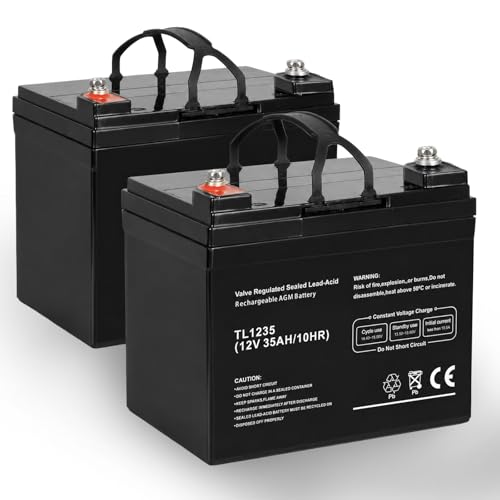
EXTENDED POWER: 12 Volt 35AH deep cycle capacity delivers reliable energy for RVs, UPS backup, marine, camping, off-grid solar setups and more, ensuring longer run times and consistent performance
Why Deep Cycle Batteries Use Thicker Plates
Deep cycle batteries use plates that are 25% to 40% thicker than those in starter batteries. This increased thickness provides greater structural strength, enabling the plates to withstand repeated deep discharges without buckling or distortion. Thicker plates also have more material reserve to slow degradation from corrosion, which is a primary cause of failure. The increased mass allows the plates to shed active material more slowly, contributing to a longer cycle life. However, thicker plates mean lower surface area, which results in higher internal resistance at high currents. This reduces the battery’s ability to deliver short bursts of power, making it less suitable for applications requiring high instantaneous current. Instead, they excel in providing reliable, sustained energy over the long term, making plate thickness a fundamental design tradeoff for durability and deep cycling performance. This design choice is particularly well-suited for DIY solar electric panels, which require steady power output rather than high starting currents.
Where You’ll Actually Find Deep Cycle Batteries
Deep cycle batteries are most commonly used in marine, RV, and solar setups. In marine environments, you’ll find them on sailboats and fishing boats, powering trolling motors and onboard electronics like fish finders and navigation lights. They are designed to withstand wet conditions and constant vibration, making them reliable for handling house loads when the engine is off. Recreational vehicles depend on these batteries as house power sources, running lights, DC appliances, and inverters during off-grid trips where shore power isn’t available. Motorhomes and travel trailers often pair them with mobile living systems that require frequent discharging and recharging.
In solar installations, deep cycle batteries store energy generated from solar panels for use during cloudy days or at night. They support off-grid homes and cabins by providing a steady power supply when sunlight is absent. Selecting the right storage is easier when you start with top solar panels equipped with reliable connectors like MC4. These batteries are also found in industrial equipment such as forklifts, floor sweepers, and scissor lifts, as well as in mobility aids like golf carts and electric wheelchairs. Because they handle cyclic duty—repeated charge and discharge cycles—they are essential for backup systems and remote-site power needs. When using a deep cycle battery for backup power, it is important to follow code-safe practice for connecting any generator to your breaker box.
Gel batteries, a type of deep cycle battery, are especially suited to these applications because of their spill-proof design and tolerance for deep discharges without damage.

32lbs - The lightweight design of the Newport deep Deep cycle battery makes it easy to transport and install in your marine vessel. Enjoy powerful and reliable performance without adding unnecessary weight to your boat.
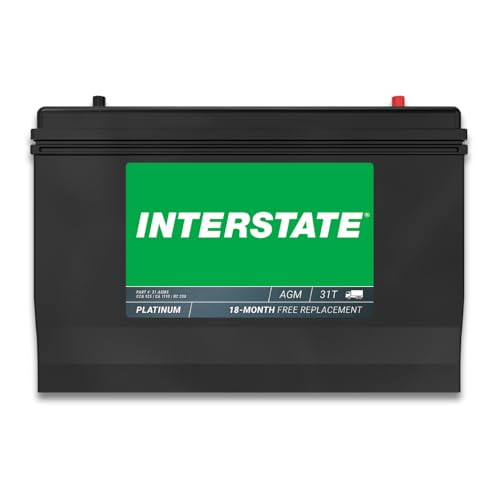
EXTREME DEEP-CYCLE POWER: This 2-in-1 pure lead AGM battery delivers high-cranking, extreme deep cycle power. It's designed to provide reliable force over an extended period to power your boat's motor & all of its accessories (appliances, trolling motor, audio systems, depth finders, fish locators, windlass). Not all marine batteries are the same - but this one exceeds the rest. Built with thick plates to allow the battery to continuously discharge power so you can recharge it many times over without decreasing its lifespan

🔋6000+ CYCLES AT 80% DOD – Premium Grade-A LiFePO4 cells deliver genuine 6000+ charge cycles while maintaining 80% capacity (4000+ cycles at 100% DOD). Up to 10 years of reliable deep cycle performance, replacing multiple lead-acid batteries. Perfect for solar systems, home backup power, and RV applications.
Which Chemistry Works Best for Your Use Case
The best deep-cycle chemistry depends on your cycling frequency and budget. For infrequent, budget-conscious backup, flooded lead-acid batteries offer the lowest initial cost but require regular maintenance such as watering and ventilation. These batteries typically provide 200 to 500 cycles before performance declines. If you prefer a maintenance-free option with better resistance to vibration, sealed AGM batteries are suitable, delivering approximately 300 to 800 cycles. Gel batteries are ideal for slow, controlled charging systems and can last between 500 and 1,000 cycles while being spill-resistant. For daily cycling, solar storage, or high-frequency use, lithium iron phosphate (LiFePO4) batteries excel with 3,000 to 8,000 cycles and efficiencies of 95 to 99 percent, despite higher upfront costs. Their lower per-cycle expense makes them the most economical choice for frequent cycling over the long term. In contrast, standard batteries are often less suited for deep discharge applications, as they are primarily designed for short bursts of power rather than sustained deep cycling. Similarly, lightning arresters protect sensitive systems from voltage surges by safely diverting excess energy to the ground. An inverter generator can provide a cleaner power output that is safer for charging these sensitive battery chemistries, thanks to its advanced electronic circuitry.

【Excellent Performance】: Sefepoder LiFePO4 batteries are made of high quality cells with high energy density, Long cycle life, Good safety performance, no memory effect, etc. The batteries are only 1/3 of the weight of lead-acid batteries of the same capacity!More safety and environmentally friendly than lead-acid batteries.
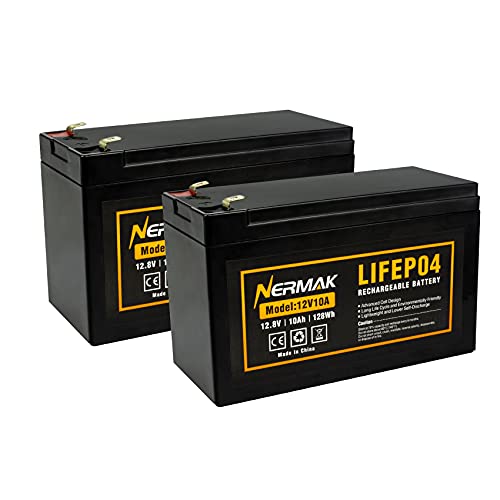
【Superior Performance】: Lithium iron phosphate battery has high energy density, Long cycle life, Good safety performance, No memory effect, etc. NERMAK LiFePO4 battery has built-in BMS protection to prevent overcharge, Over-discharge, Over-current and short circuit, and excessive low self-discharge rate ensuring up to 1-year maintenance-free storage.

【Advanced Smart BMS & All-Weather Safety】Equipped with an upgraded 100A Smart BMS, our battery provides comprehensive protection against overcharge, over-discharge, over-current, and short circuits. Unlike standard lithium batteries, it features automatic low-temperature cut-off, preventing charging below 32°F (0°C) to avoid cell damage. Built with stable LiFePO4 chemistry, it eliminates the risk of thermal runaway, ensuring maximum safety for your RV, boat, or home energy system in any season.
Safe Discharge Depth for Deep Cycle Batteries
The safest discharge depth for deep cycle batteries is generally around 50 percent. This means you should avoid depleting the battery beyond half of its capacity to prolong its lifespan. For example, many batteries, such as AGM types, can tolerate up to 80 percent DoD, but doing so significantly shortens their cycle life. Conversely, a 30 percent DoD is often recommended for general-purpose deep-cycle batteries to maximize longevity. To manage this, you should recharge your battery before reaching your chosen DoD limit. An important aspect of this management is understanding how a solar generator integrates with your battery to regulate charging. Early recharging helps maintain battery health and prevents excessive wear. For instance, an AGM battery typically provides about 500 to 650 cycles at 50 percent DoD, but only around 200 to 250 cycles at 80 percent DoD. Frequent deep cycling can accelerate capacity loss, so it is wise to design your system with sufficient reserve capacity, avoiding the temptation to regularly drain the battery too deeply. When sizing your power system, consider whether you need the sustained output of a traditional generator or the cleaner, more efficient operation of an inverter generator, as your choice affects how you manage battery reserves and recharging schedules. Using a compatible battery charger ensures the proper charging profile for your specific deep cycle battery type.
Deep Cycle Battery Lifespan: When to Replace
You should replace a deep cycle battery when its performance declines below 80% of its rated capacity. This threshold indicates significant loss of efficiency and runtime. You’ll notice this decline through reduced operating time, slower charging rates, or a resting voltage under 12.3 volts, all signs that the battery is weakening. For lithium-based deep cycle batteries, expect lifespan measured in approximately 2,000 to 5,000 charge cycles, while flooded lead-acid types typically fail after a few hundred cycles. Visible damage such as bulging cases, leaks, or excessive heat also demand immediate replacement. Never rely solely on age; a battery that fails a load test or drops below 10.5 volts under load is near the end of its functional life. When choosing a replacement, the decision between a positive or negative disconnect switch impacts safety and installation ease during removal. When replacing, always prioritize proper recycling methods to handle hazardous materials safely. For secure mounting of battery monitoring systems, consider using similar DIN rail terminal blocks to organize connections. For portable charging needs, a solar charger without battery can provide direct power without the weight of additional storage.
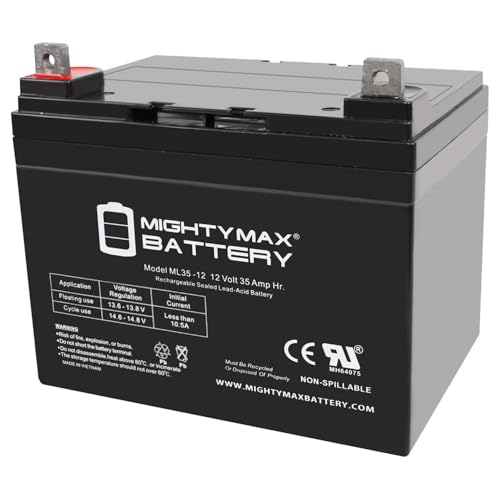
ML35-12 SLA is a 12V 35AH Sealed Lead Acid (SLA) rechargeable maintenance free battery - UL Certified

𝗘𝗫𝗔𝗖𝗧 𝗗𝗜𝗠𝗘𝗡𝗦𝗜𝗢𝗡𝗦: Compact 7.14" x 3.01" x 6.59" (LxWxH) form factor and lightweight 12.46 lbs build. please confirm the battery can fit your device's battery compartment before ordering.

FITS GROUP 27 BATTERIES: Securely holds larger marine and RV batteries up to 10.5 inches high; interior measures 13.06 x 6.9 x 10.5 inches for a precise, reliable fit
How to Select the Best Deep Cycle Battery for Your Needs
When selecting a replacement deep cycle battery, your priority should be matching your daily energy consumption in amp-hours plus a 15% safety margin for inverter losses and heavy loads. Simply relying on the battery’s rated capacity isn’t enough; you need to consider the chemistry that aligns with your charging setup and environment. Lithium iron phosphate batteries offer deeper usable discharge and are lighter, but they require a compatible charger. Flooded lead-acid batteries are budget-friendly but demand regular watering and maintenance. AGM batteries excel in vibration-prone environments and are maintenance-sensitive, often used in off-grid applications. To optimize performance and longevity, keep terminals clean, avoid discharges below 50% in lead-acid batteries, and store batteries fully charged. Also, verify the group size and terminal orientation to ensure the battery fits well in your tray. Prioritize the total cost per cycle over the initial purchase price to get the best long-term value. Just as busbars require conductive materials like copper or aluminum to efficiently transfer electrical current, your battery system must use conductor-rated cables and busbars sized for your peak loads.

【Advanced Smart BMS & All-Weather Safety】Equipped with an upgraded 100A Smart BMS, our battery provides comprehensive protection against overcharge, over-discharge, over-current, and short circuits. Unlike standard lithium batteries, it features automatic low-temperature cut-off, preventing charging below 32°F (0°C) to avoid cell damage. Built with stable LiFePO4 chemistry, it eliminates the risk of thermal runaway, ensuring maximum safety for your RV, boat, or home energy system in any season.

【Product Overview】Designed for deep cycle energy storage applications, SUPER EMPOWER LiFePO₄ batteries provide reliable power for RV, marine, trolling motor, and off-grid systems, featuring premium LiFePO₄ cells and an integrated BMS for protection against overcharge, over-discharge, overcurrent, short circuit, and temperature extremes; ideal for auxiliary and house power needs in mobile and outdoor setups, ensuring stable and long-lasting performance. Designed for energy storage use only, this battery is not suitable for engine starting or cranking applications.
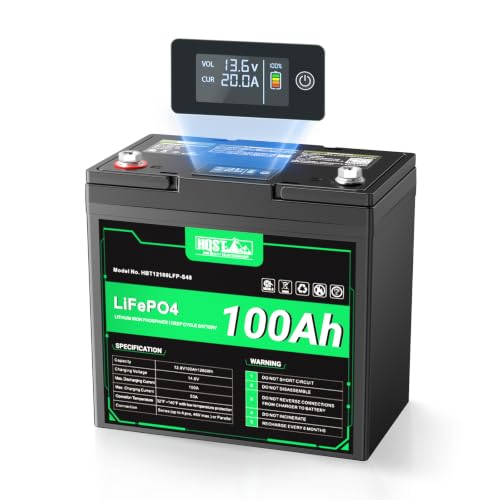
【10-Year Longevity】With 4000+ deep cycles from premium A-grade LiFePO4 cells, this 12V 100Ah Lithium battery lasts 6x longer than lead-acid. Comes with a reassuring 10-year commitment to both product quality and service life. A perfect option to replace lead-acid batteries and enjoy extended durability