
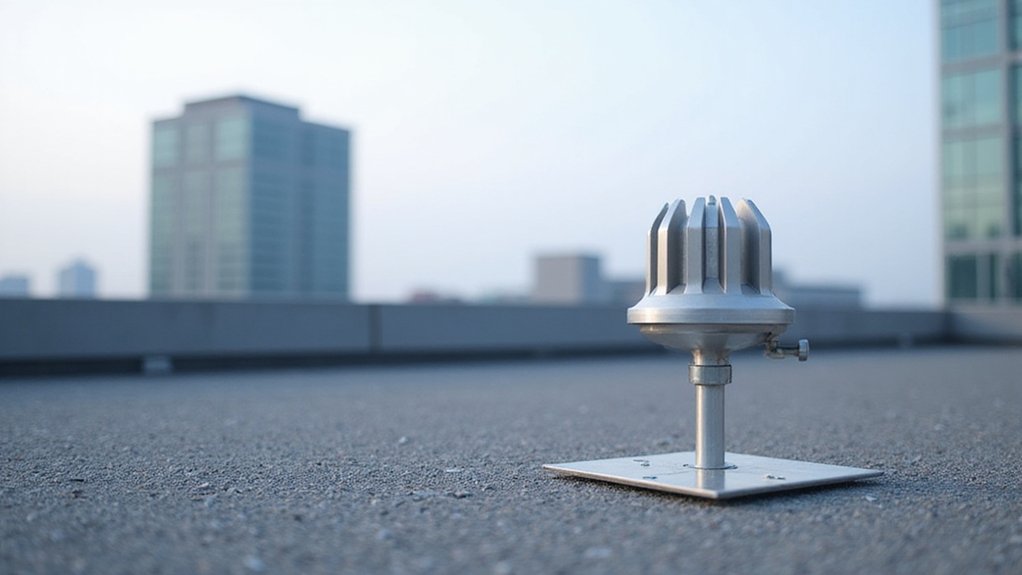

Ever wondered how your equipment stays safe during a lightning storm? A lightning arrester is a crucial device that shields your electronics by redirecting powerful strikes safely to the ground.
It works by staying inactive under normal conditions but quickly kicks into action when voltage spikes.
Keep reading to understand how these devices protect your valuable gear from catastrophic damage.
What Is a Lightning Arrester and How Does It Work?
A lightning arrester works as a voltage-limiting device that remains non-conductive under normal line conditions. When a lightning impulse or switching surge exceeds its threshold voltage, the arrester quickly shifts to a low-resistance state. This rapid change allows it to shunt the surge current directly to earth, preventing high voltage from passing through insulation or damaging equipment.
The device does not store energy; instead, it diverts surge currents away from sensitive components, effectively clamping the voltage to a safe level. Its response time is crucial, as lightning surges can reach tens to hundreds of kiloamperes and arrive within microseconds. The effectiveness of this protection depends heavily on a solid grounding system, ensuring the surge is safely directed into the earth. A primary component in modern arresters, the metal oxide varistor, provides highly nonlinear resistance that transitions from insulator to conductor during surges. This surge diversion capability is essential for protecting the long-term efficiency of any connected renewable energy system, including solar panel arrays. For optimal protection, choosing Top Battery Picks With Terminals ensures reliable grounding connections and overall system performance.
Over time, advances in materials and response times have improved arrester performance. However, the core principle remains consistent: the arrester insulates at normal voltages and conducts at high voltages to protect electrical infrastructure. Because they operate passively during transient events and reset afterward, lightning arresters have minimal environmental impact and are reliable components of electrical safety systems.

Parameter selection: The appropriate varistor voltage value should be selected based on the working voltage, and the surge current tolerance should be matched with the equipment requirements to ensure that it is in a high impedance state during normal operation.
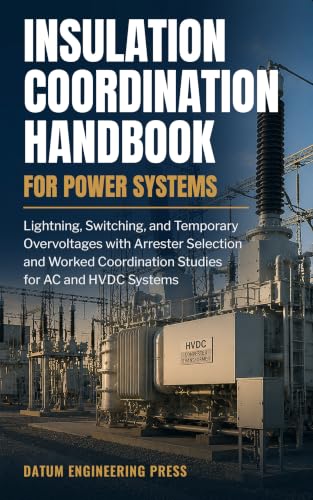

Compatible with Sincera
What Are the 5 Main Types of Lightning Arresters?
There are five main types of lightning arresters, each designed for specific applications and operating conditions: rod gap, horn gap, expulsion, valve, and metal oxide varistor (MOV) arresters. The simplest is the rod gap arrester, which uses two metal rods with a gap between them. When lightning strikes, the high voltage causes an arc to jump across the gap, diverting the surge away from sensitive equipment. However, this design is limited because it poorly interrupts power-follow currents and requires manual maintenance to adjust the gap.
The horn gap arrester improves upon this by shaping the metal electrodes into a horn shape, which enhances arc extinction after a surge. It is commonly used on distribution lines because it offers better reliability than the basic rod gap type. For moderate to high voltage applications, the expulsion type employs a fiber tube filled with gas. When a surge occurs, the gas inside is released, extinguishing the arc swiftly; these are often installed in rural areas where surge levels are unpredictable.
Valve arresters, which contain silicon carbide resistors, provide controlled and reliable surge protection suitable for higher voltages, typically up to 245 kV. They feature a series of resistors that limit the surge current to safe levels, making them ideal for substations and transmission systems. The most recent and widely used are metal oxide varistor (MOV) arresters. They contain zinc oxide blocks that act as gapless, nonlinear resistors. MOV arresters excel in dissipating energy from lightning strikes with minimal maintenance and are now standard in protecting critical infrastructure due to their robustness and efficiency in handling transient surges.

Proactive Inverter Protection: Shield your high-value solar investments. This DC 1000V Surge Protective Arrester is specifically designed to intercept high-voltage transients and lightning surges before they reach your inverter or battery bank. By providing a safe path to ground, it acts as the primary defense for your Power Distribution and Control Appliances.

Professional Solar System Protection: Engineered for high-voltage DC circuits, this 1000V SPD provides a robust shield against lightning strikes and transient surges. It is an essential safety component for protecting your expensive solar inverters and battery banks in off-grid or grid-tie PV power distribution systems.
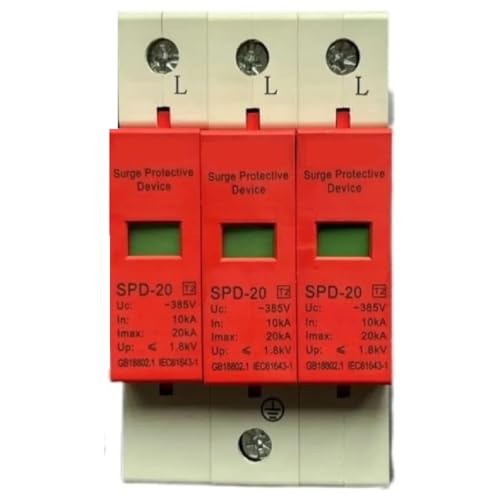
DIN RAIL MOUNT DESIGN: Compact form factor fits standard electrical panels for quick, secure installation in homes and commercial buildings.
Where Should You Install a Lightning Arrester?
You should install the lightning arrester as close as possible to the protected device terminals where the surge enters the system. For rooftop arresters, place them at the highest exposed points, such as roof corners or masts, to intercept lightning strikes early. For critical equipment, install arresters at transformer terminals and substation busbars to provide localized protection. Ensure the grounding connection is short and direct, bonding the arrester ground to the main grounding system to maintain low-resistance paths, just as disconnecting the negative cable first ensures a safe electrical path during battery maintenance. On overhead lines, position arresters on the top phase or at intervals of approximately 300 feet, which helps minimize the surge path length and enhances protection effectiveness. Use short leads to reduce inductance and improve performance. Proper placement ensures the arrester can respond quickly to surges, reducing the risk of damage to your system.
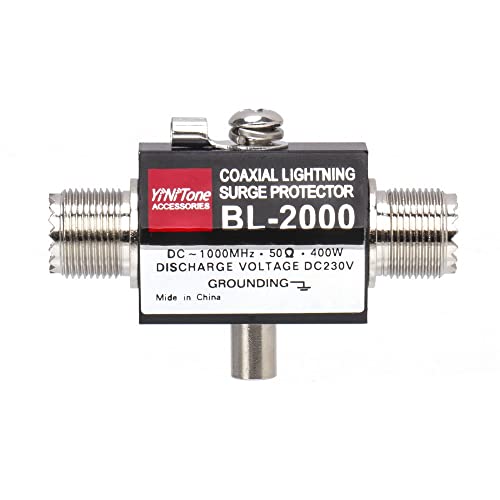
Comprehensive : Absorbs and grounds lightning surges from antennas on top of buildings, providing complete for transceivers, receivers, etc.
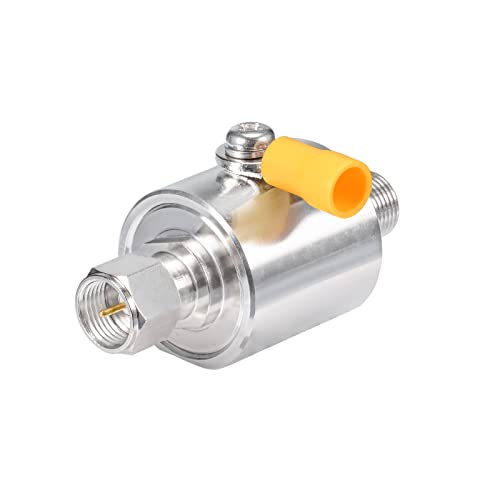
【Wide-band & Connector & Impedance】- DC-3GHz / F type male to female / 70 ohm

protection stake--protect your safety in thunderstorms and never worry about the of and ,roof arrester
What’s Actually Inside a Lightning Arrester?
Inside a modern lightning arrester, the core consists of a column of zinc oxide varistor blocks, typically around 20 to 50 millimeters in diameter. These discs are pressed from fine grains of zinc oxide combined with metal-oxide additives like bismuth oxide. Under normal voltage conditions, they remain highly resistive, preventing current from passing through. However, during a surge, their resistance drops sharply, allowing excess current to flow safely away from your electrical system. Just as a battery tester checks for proper current flow, this arrester’s response ensures surge currents are safely diverted before they can damage your equipment. This rapid diversion is similar to how a car power inverter converts and manages current to protect your vehicle’s electronics. This function is analogous to the way a digital multimeter uses a precision resistor network to accurately measure electrical values.
The discs are precisely stacked with aluminum spacers to ensure tight contact and consistent electrical characteristics. This arrangement is critical for reliable protection and uniform performance. The entire assembly is supported by fiberglass-reinforced rods that hold the core rigid and maintain alignment, even under mechanical stress or weather exposure.
End fittings made of stainless steel connect the arrester to your electrical system’s terminals. Encasing the entire structure, a robust polymer housing sealed with rings and sealant prevents moisture ingress and protects against environmental damage. This construction design provides durable, weather-resistant overvoltage protection that functions effectively without internal gaps or failure points.
Lightning Arresters vs. Surge Protectors: What’s the Difference?
A lightning arrester is designed to handle high-energy direct lightning strikes by diverting large currents safely into the ground. Unlike surge protectors, which target lower-voltage transients, arresters are installed at the service entrance and are built for high-voltage events. Proper grounding techniques are essential to ensure these devices can effectively redirect lightning energy without causing damage. For example, selecting 30-amp generator cords built with proper gauge and insulation is critical for safely transmitting power during lightning-induced outages. Surge protectors, on the other hand, are positioned at the terminal layer to manage residual voltage spikes that pass through the main system. They clamp lower-voltage transients, protecting sensitive electronics from damage caused by lightning-induced surges or switching events. Using both devices together provides a layered defense: the lightning arrester absorbs the initial, high-energy strike, while surge protectors limit residual voltage spikes downstream. Treating these devices as complementary rather than interchangeable is crucial for comprehensive protection. The lightning arrester handles the severe, direct strikes, preventing catastrophic damage, while the surge protector minimizes ongoing, lower-voltage surges that could disrupt or degrade electrical devices. Proper installation, including correct grounding, ensures each device performs its intended role effectively, creating a complete system that shields your electrical infrastructure from lightning-induced threats. For a resilient setup, consider incorporating a DIY UPS battery backup into your system to maintain power during outages caused by lightning damage. When building such a backup, understanding the safety limits of a home-made LiFePO4 battery kit is crucial to prevent fire or electrical hazards.

Electric Fence Lightning Arrester: Protect your fence power supply from lightning damage. Prevent animals from escaping due to lightning damage. Protect your electric fence

2-Pole 120-240 VAC Single Phase Lightning Arrestor

Electric Fence Lightning Arrester: Protect your fence power supply from lightning damage. Prevent animals from escaping due to lightning damage. Protect your electric fence
What Standards Matter When Buying a Lightning Arrester?
When purchasing a lightning arrester, it is essential to verify compliance with recognized standards. These standards ensure the device will perform reliably under actual surge conditions. For international procurement, IEC 60099-4 specifies the performance parameters for metal-oxide arresters, while IEC 60099-5 provides guidance on selecting appropriate models. In North America, IEEE C62.11 serves as the benchmark, frequently referenced in utility and industry specifications. Building installations often require adherence to UL 96 and NFPA 780 standards, emphasizing safety for system components. For example, buyers can also look for MC4 connectors on solar panels, which are commonly used for reliable and efficient connections in photovoltaic systems. When comparing protection options, it is also helpful to review top solar chargers designed for auto batteries to ensure consistent power for monitoring equipment. Just as a power inverter must be matched to your battery system for optimal performance, selecting the right arrester involves checking discharge-current ratings to ensure compatibility with your system’s surge capacity.
You must confirm the lightning arrester’s classifications, such as discharge-current class and line-discharge class, to match your system’s energy capacity and temporary overvoltage limits. Certification standards like UL listing or IEC compliance indicate the device has met essential electrical safety and performance criteria. Always verify the specific edition or version required—most project specifications call for the latest standards—to avoid ambiguity or outdated requirements.
Finally, ensure the arrester’s rated voltage aligns with your system’s voltage range, providing proper coordination and reliable surge protection. Proper matching of these ratings is crucial for maximizing effectiveness and minimizing potential damage during lightning events.

Material: High-strength cast aluminum for corrosion resistance and long-lasting durability.

High Quality Materials: Made of PC flame retardant material, safer to use, modular design, very easy to use and maintain

Comprehensive : Absorbs and grounds lightning surges from antennas on top of buildings, providing complete for transceivers, receivers, etc.