
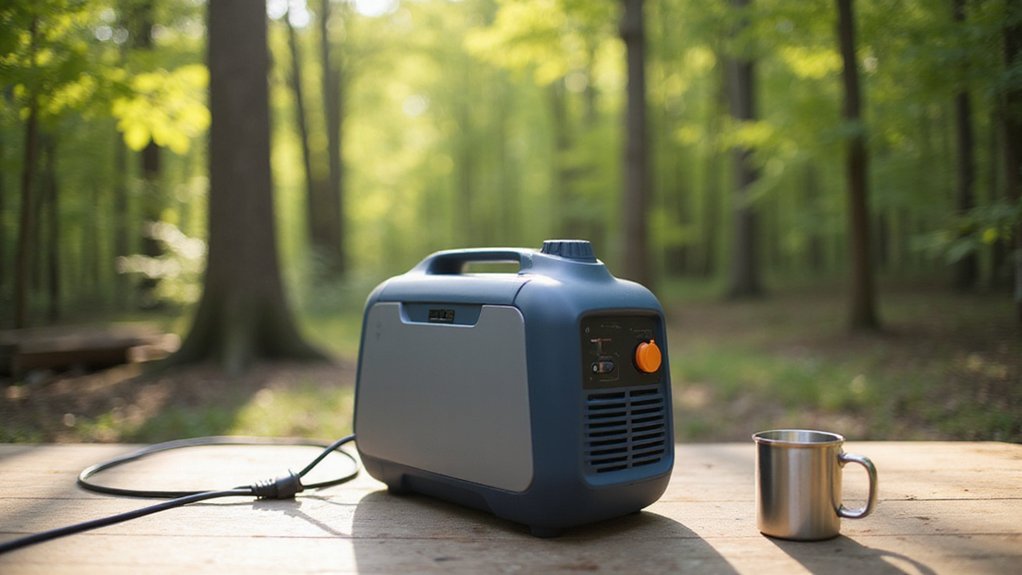

If you’ve ever wondered how inverter generators deliver cleaner and quieter power than traditional models, you’re not alone. They convert raw AC power into stable, low-noise electricity perfect for sensitive electronics and activities like camping or home backup.
An inverter generator adjusts its engine speed to match your load, making it more efficient and quieter—often at conversation-level volumes.
Keep reading to find out how to choose the right one for your needs.
How Does the AC-to-DC-to-AC Process Work in an Inverter Generator?
An inverter generator converts raw AC power into a stable, clean AC output through a three-stage process. First, the engine spins an alternator that generates raw AC electricity. Since this initial AC is often unstable and contains electrical noise, it is immediately routed through a bridge rectifier, which converts the AC into direct current (DC).
Next, power stored in capacitor banks smooths the DC, filtering out voltage ripples and ensuring a steady intermediate DC supply. This stabilization step is critical because any fluctuations could cause issues for sensitive electronics.
Finally, an inverter module using pulse-width modulation (PWM) technology switches power semiconductors—either insulated-gate bipolar transistors (IGBTs) or metal-oxide-semiconductor field-effect transistors (MOSFETs)—to recreate a clean, stable AC waveform. This precise control produces a high-quality, sine-wave output suitable for sensitive devices. The entire AC-to-DC-to-AC process guarantees that your appliances receive reliable, regulation-maintained power, but always follow safety guidelines when connecting electronics to avoid damage or hazards. Overloaded circuits are a common cause of tripping in traditional breaker boxes, just as overloading the inverter generator can trigger its protective shutdown.
What Makes an Inverter Generator Different From a Conventional One?
An inverter generator differs from a conventional one primarily in how it manages engine speed and power output. Unlike conventional generators that run at a fixed high RPM—often around 3,600—regardless of your load, inverter models adjust their engine speed dynamically based on the electrical demand. When your power needs are low, the inverter engine slows down, using less fuel and extending runtime. This flexibility results in better fuel efficiency compared to traditional generators that burn fuel steadily whether you need full power or not. For homeowners seeking similar savings for their primary energy needs, evaluating the best costs for solar panels can also reduce long-term electricity expenses. The variable engine speed also drastically reduces noise levels. Instead of a constant loud drone, the inverter produces a quieter hum, often between 50 and 60 decibels. This makes inverter generators more suitable for quiet environments like camping sites or residential areas. Similarly, solar panels with MC4 connectors offer reliable, efficient connections for sustainable energy systems. For a full home backup solution, however, some users turn to solar generators for reliable, silent power without any fuel consumption. Although they tend to have a higher upfront cost, their efficient fuel consumption, portability, and quieter operation make them a popular choice for those who prioritize convenience and lower operational noise.
Why Is Inverter Generator Power Output Cleaner for Electronics?
Inverter generators produce a cleaner AC waveform because they regenerate power electronically. Unlike conventional models, they typically achieve total harmonic distortion (THD) levels below 3%, compared to the 6%–30% seen in standard alternators. This lower THD produces a near-perfect sine wave, which minimizes electrical noise that can interfere with sensitive electronics like laptops, CPAP machines, or control boards. This type of output is commonly referred to as pure sine wave power, which is essential for safely running sensitive equipment. This smooth output reduces electrical stress on your devices, helping to prevent heat buildup and premature component wear in power supplies. The stable voltage and frequency also promote consistent operation, ensuring your electronics function properly. Because the power remains stable and clean, you can often avoid additional power conditioning equipment. Overall, this results in quieter operation and extends the lifespan of your electronics compared to traditional generator outputs. For example, just as disconnecting the negative battery cable first prevents electrical shorts, the pure sine wave output prevents electrical noise that could damage sensitive components. Unlike traditional batteries, AGM batteries resist freezing at low temperatures because their absorbent glass mat design reduces electrolyte stratification and internal resistance.
What Are the Real Benefits of Quieter, Fuel-Efficient Operation?
Quieter, fuel-efficient operation offers significant real-world advantages. Variable-speed engines can operate at noise levels of 50 to 60 decibels, comparable to normal conversation, whereas traditional models often exceed 70 decibels. This reduction in noise makes using the generator at a campground, during tailgating, or as a neighborhood backup far less disruptive.
At the same time, load-following technology adjusts engine RPM based on demand. During light loads, the engine slows down, which cuts fuel consumption by up to 40 percent. This increased efficiency means longer runtime per tank, reducing the need for frequent refills. Fewer refueling stops decrease gasoline handling, lowering emissions and making operation more convenient. While battery-powered generators do not offer direct fuel savings, the extended runtime per tank provides similar benefits: longer periods of quiet operation, simpler planning, and a more harmonious experience with your surroundings. For reliable power transfer, consider top post battery terminals that ensure consistent electrical connections in your setup.
What Appliances Can an Inverter Generator Power Safely?
An inverter generator can safely power most sensitive electronics and small household appliances if their wattage requirements stay within the generator’s capacity. Devices like laptops, TVs, Wi-Fi routers, LED lights, fans, and portable radios are ideal because they draw low, stable power. For refrigeration units such as refrigerators and freezers, check that the generator’s peak (startup) wattage covers the initial surge—often around 1,800 watts—while the running load remains around 180 watts. Selecting a model with a durable panel cover can help protect the breaker box from environmental damage while the generator is in use. Microwaves, coffee makers, and blenders are manageable as long as their combined wattage does not exceed the inverter generator’s rated capacity. It’s crucial to add the surge demand to the running wattage and ensure total usage stays below 80 percent of the generator’s continuous power output for safe operation. Using a short, heavy-duty power cord can improve power quality and efficiency. Large appliances like air conditioners or resistive heaters typically demand more power than a compact inverter generator can provide and should be avoided. For reliable performance, compare top power inverters to find a model that matches your needs. Choosing a generator with high-quality battery terminals can also improve connection stability and overall safety.

1500 Peak Watts and 1000 Rated Watts at Less Than 3% THD - Weighs Only 32 Lbs. - Gas Powered - Two 120V 20 Amp Outlets; Two USB Outlets
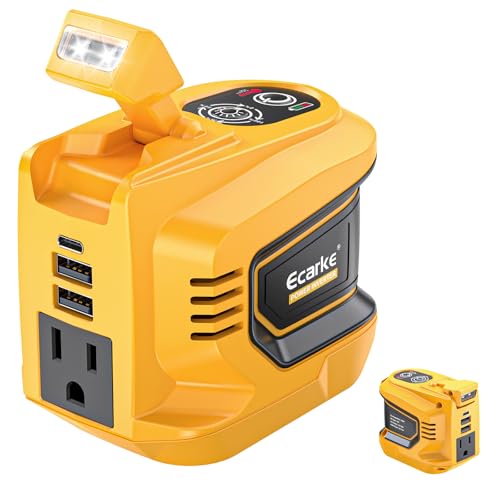
【Ultra-Portable – Fits in Your Pocket】 Weighs only 0.68lb (310g) – smaller than a water bottle. Slips into a tool bag, glove box, or camping backpack. Compatible with Dewalt 20V battery – simply slide it on to get 220W AC power anywhere. No wall outlet needed. (BATTERY AND CHARGER NOT INCLUDED)

Is an Inverter Generator the Right Choice for Camping and RV Use?
Cost comparison shows inverter models generally require a higher initial investment but compensate with longer runtime—up to 13.6 hours at 25% load—and clean sine-wave power that is safe for RV electronics. They are more portable due to lighter, more compact designs, and produce lower vibrations, making storage easier. For basic camping or RV needs, a 2,000 to 3,500-watt inverter generator is sufficient; pairing two units in parallel can handle heavier loads like air conditioners. If quiet operation and clean power are priorities, an inverter generator is the systematic choice for camping or RV use. To accurately assess capacitor health in your generator or RV electronics, a digital multimeter with capacitance testing is invaluable for diagnosing potential failures. For those seeking a fully self-sufficient setup, motorhomes with integrated solar panels offer a complementary renewable energy source that reduces generator runtime. To ensure reliable connections when wiring the generator to your RV, selecting a high-quality crimping tool for terminals is essential for preventing electrical failures.
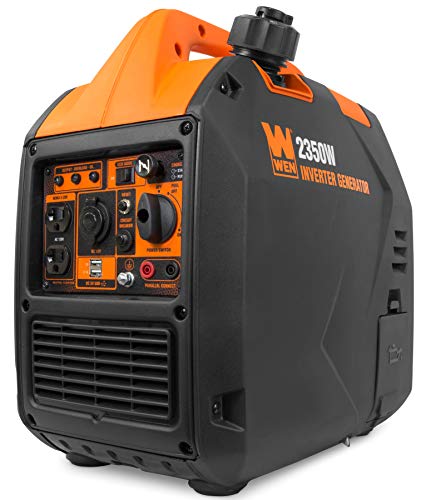
Ultralight body weighs in at a mere 39 pounds for easy transport and storage

Ultra-Lightweight – At only 41.9 pounds, this inverter is one of the lightest 2500-watt inverters in the industry

80cc engine generates up to 2500 surge watts and 1900 rated watts
What Home Backup Appliances Can an Inverter Generator Handle?
Inverter generators can handle a variety of essential backup appliances depending on their wattage capacity. A unit between 1,000 and 2,500 watts can reliably power sensitive electronics such as laptops, CPAP machines, and LED lights. These models are efficient with fuel, allowing for longer runtimes on light loads. For refrigeration, a 2,000-watt inverter generator is suitable if you consider the fridge’s 700 to 1,200-watt running draw plus its startup surge of 2,000 to 3,000 watts. To ensure safe connections when wiring the generator to appliances, using a proper crimping technique prevents voltage drops and overheating. Mid-range units ranging from 3,500 to 5,000 watts can support one microwave or coffee maker at a time, but you’ll need to sequence different appliances carefully due to their surge requirements. Motor-driven devices like furnace fans or sump pumps demand cautious planning because of their high start-up power needs. While inverter generators excel in noise reduction, larger-capacity units are necessary for whole-home HVAC systems. For those seeking a vehicle-based solution, a top power inverter can similarly handle sensitive electronics and moderate loads from a car or truck battery. For off-grid setups, wind generators offer a viable alternative for powering similar loads without relying on fuel.

98cc engine generates up to 2800 surge watts and 2250 rated watts

【POWERFUL DC to AC CONVERTER】: This solar inverter delivers 2000W of continuous battery DC 12V to AC 110V 120V power and up to 4000W of peak surge power when the load is started. The 12V inverter has a conversion efficiency of greater than 93% during normal working and low no-load losses
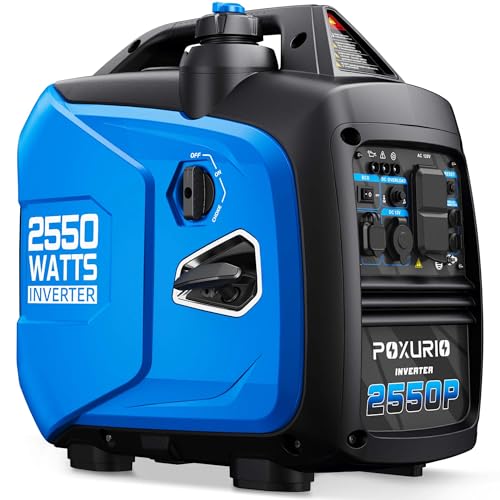
[Strong Power] This inverter generator has a starting power of 2550W that can your daily needs of various electrical appliances and equipment in camping, outdoor activities, commercial use, or home backup power.
What Are the Main Drawbacks of an Inverter Generator?
Inverter generators have several notable drawbacks. The most immediate one is the higher initial cost; you will pay significantly more for a comparable wattage compared to traditional models. Their lower maximum power output can also be limiting, making them less suitable for heavy-duty tools or large appliances. The sophisticated electronics that enable fuel efficiency and noise reduction are complex and can be costly to repair. Troubleshooting these units can be difficult, often requiring specialized service or full module replacement. Additionally, their compact design often limits load capacity, which means sudden power spikes can cause shutdowns. While you gain portability and stable output, you sacrifice raw power, and maintaining the units can be more demanding.
How Do You Match Starting Watts to Running Watts?
To match starting watts to running watts, you need to account for both the continuous load and the surge load of your devices. First, calculate the total running watts by adding up the wattage of all devices you plan to operate simultaneously. This total represents the generator’s rated continuous output. Next, identify the device with the highest starting surge—such as a refrigerator that runs at 180 watts but requires near 1,800 watts to start. Add this starting surge to your total running watts to find the total starting wattage needed. Ensure this combined figure does not exceed your generator’s surge capacity. Additionally, verify fuel compatibility for your loads and consider noise levels, especially as inverter generators tend to operate more quietly but may have lower surge ratings. Confirm that your generator’s continuous output exceeds your total running watts and that its surge capacity can handle the highest startup spike. Neglecting regular maintenance, such as cleaning cooling fans, can shorten the inverter’s lifespan by causing overheating and component failure. Underestimating these requirements can lead to failed starts or tripped protection systems.

Essential Home Backup: With a robust 3600W output (7200W surge) and a 3072Wh capacity, the Jackery HomePower 3000 provides reliable backup power for home essentials - fridge, fan, WiFi router, lights, etc. It effortlessly powers a household for up to 15 hours and keeps a refrigerator running for 1 to 2 days, ensuring you're always prepared when outages strike.

224cc dual-fuel engine runs on both gasoline (6800 surge watts, 5100 rated watts) and propane (6000 surge watts, 4500 rated watts)

Which Inverter Generator Is Best for Your Situation?
The best inverter generator for home backup is typically in the 3,000 to 5,500-watt range. This size provides enough power to handle essential appliances and backup systems without being overly bulky. Look for units with low noise levels—under 60 decibels—to avoid disturbing household members or neighbors. Additional features such as carbon monoxide detection and dual-fuel capability can enhance safety and flexibility during power outages. For those who already use an uninterruptible power supply, pairing it with an inverter generator ensures seamless transitions for critical electronics, as many top-rated UPS with battery backup similarly focus on clean, stable output. A top-rated generator often uses advanced pure sine wave technology to deliver the same high-quality power found in premium home electronics. Selecting a generator that balances steady output, quiet operation, and safety features ensures reliable backup power for your home.

Powerful RV and Home Generator with Electric Start: Ideal for furnaces, fridges, most 13,500 BTU RV AC units, and more, this easy-to-use house generator features advanced inverter technology to supply power reliable enough for computers

Powerful: delivers 3000 starting watts and 2600 running watts of clean power (< 3% THD). Safe for sensitive electronics like laptops, smartphones, and tablets.

Powerful & Clean Energy Output-This Inverter Generator is powered by a 143cc gas engine,with inverter technology produce 3300 Starting Watts/ 3000 Running Watts clean power (less than 3% THD), confidently connect your sensitive electronics such as TV, lights, fans, small power tools and more on camping trips, etc.