


Choosing the right battery can feel overwhelming, especially when comparing gel cells and lithium options. You want something reliable, long-lasting, and efficient for your setup.
Lithium batteries often offer more cycles, faster charging, and lighter weight, making them a popular choice for many.
In this article, you’ll find out how these differences can impact your decision and what factors matter most for your needs.
Gel vs Lithium: Energy Density and Usable Capacity Compared
Lithium batteries far outperform gel batteries in both energy density and usable capacity. Gel batteries typically provide around 30 to 50 Wh per kilogram, which limits the total energy they can store relative to their size. Lithium packs a significantly higher 100 to 270 Wh per kilogram, making them much more efficient for space- or weight-constrained systems. This higher efficiency is partly due to the semiconductor materials used in lithium cells, which enable better electron flow and energy storage. Without a proper grounding path, a system with lithium batteries could suffer from voltage instability that damages sensitive electronics, as grounding wires prevent dangerous electrical surges.
In terms of usable capacity, lithium batteries allow you to safely discharge to 80% or more, giving you approximately 80 Ah out of a 100 Ah rated pack. In contrast, gel batteries should only be discharged to 50% depth of discharge, resulting in just 50 Ah from the same capacity. This means you can access roughly double the usable energy with lithium, optimizing power delivery without needing to increase your battery bank size. For buyers focused on long-term value, reviewing top battery picks with terminals can highlight how lithium’s higher usable capacity translates into fewer replacements over time.

8 pack of Energizer Ultimate Lithium AA Batteries

2 pack of Energizer Ultimate Lithium AA Batteries
Which Battery Lasts Longer: Cycle Life and Lifespan?
Lithium batteries generally last longer than gel batteries. Lithium’s cycle life typically reaches 3,000 to 6,000 cycles at 80% depth of discharge, whereas gel batteries provide only 500 to 1,000 cycles at 50%. Deeper discharges significantly reduce gel battery lifespan, leading to more frequent replacements. In practical terms, daily cycling can extend gel battery life to about 3 to 5 years, while lithium batteries can last between 8 and 12 years. When considering calendar life during standby periods, the gap narrows, but lithium still usually outperforms gel by a factor of two to five times in total usable capacity. For context, SLA batteries offer similar cycle life to gel but are more prone to damage from deep discharges, while AGM batteries sit between gel and lithium in longevity. Secure connections are critical to maximizing battery lifespan, and using top battery terminal bolts can prevent voltage drops that reduce cycle life. Keep in mind that lithium batteries also impact the environment differently: their longer service life means fewer replacements and less waste, though recycling remains more costly and less developed than gel options. Your choice depends on whether you value long-term durability or initial cost savings. For comparison, AGM battery lifespan typically falls between gel and lithium, with real-world results heavily influenced by charging habits and depth of discharge.
How Charging Speed Differs Between Gel and Lithium
Charging speed differs significantly between gel and lithium batteries, with lithium offering much faster recharging. Gel batteries typically accept only about 10% to 20% of their C20 rate as charge current. This limits their charging to a slow, steady process that involves a long absorption phase, especially for the final 20% of the charge, which can take up to four hours. Conversely, lithium batteries can often be charged at high currents, allowing them to reach 80% capacity in roughly an hour and a full charge in about two hours. This rapid charging capability enhances daily usability by reducing downtime during cycles. It also impacts system design, as faster charging means less idle time and more efficient energy management. Reviewing top lithium battery chargers can help ensure you select a model that supports safe, high-speed charging. However, faster charging with lithium batteries requires careful handling to avoid damage and ensure safety during high-current flows. Integrating a fuse block into the battery system can protect against overcurrent conditions during these high-speed charges. For safe disconnection during maintenance, negative battery cables come off first to reduce the risk of short circuits.

【Optimized for LiFePO4 Batteries】 Tailored specifically for 12V LiFePO4 batteries, this charger enhances battery performance and significantly extends battery life with over 90% charging efficiency.

This charging module is designed for single鈥慶ell lithium batteries with a nominal voltage of 3.7V. It provides regulated charging output up to 4.2V or 4.35V, suitable for common lithium battery charging requirements in compact power systems.
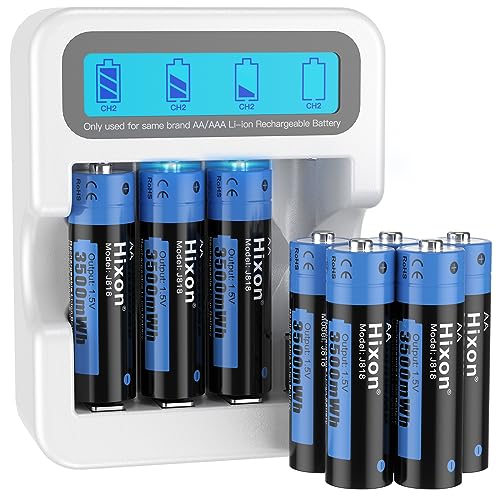
✅ Individual Charging Slots:Hixon Q032 newest intelligent battery charger has 4 Individual charging slots and supports mixed charging mode, fits for AA, AAA li-ion batteries.This charger has advanced high current mode and quick charging technology to fulfill your batteries in 2 hours. One battery charged at once time is available.
Are Gel Batteries Safer Than Lithium Batteries?
Gel batteries are generally safer than lithium-ion batteries concerning leakage and fire risk, but safety depends on failure modes rather than overall type. The immobilized electrolyte in gel batteries significantly reduces spill hazards and the chances of thermal runaway. Studies indicate that fully gelled cells maintain temperatures below 25°C even when subjected to abuse, while lithium batteries can ignite once temperatures exceed 400°C. However, gel batteries are not completely risk-free; overcharging can lead to gas buildup and heat generation. Effective safety measures for gel batteries include proper voltage regulation and adequate ventilation. Achieving a clean finish when securing wires with cable ties requires using flush cutters and techniques that leave no sharp edges, much like the precision needed for safe battery connections. When selecting a backup power source, a Patriot solar generator often pairs well with deep-cycle gel batteries for reliable off-grid use.
In contrast, lithium batteries require strict management systems to prevent overcharging and short circuits that could lead to fires or explosions. Gel batteries’ leak resistance makes them ideal for confined spaces, but their safety profile still demands careful handling. When using any electrical system, clamp-on amp meters help monitor current draw to verify safe charging conditions and detect potential overloads. Lithium’s primary failure mode—thermal runaway—necessitates rigorous operational discipline and monitoring. Both battery types can be safe when used correctly, but neglect can lead to dangerous situations in either case.
Why Lithium Costs Less Per Cycle Despite Higher Upfront Price
A battery with a higher sticker price can still save you money over time. The key is to compare the total cost per cycle, not just the upfront price. A 100 Ah gel battery provides around 50 usable Ah daily, so you’ll need multiple units to match a lithium bank’s 80–90 Ah of usable energy, increasing your initial investment. However, lithium batteries last much longer—between 2,000 and over 6,000 cycles—while gel batteries typically last 500 to 1,500 cycles. This means you’ll replace gel batteries multiple times before a lithium pack reaches its end. Simple habits that add years to a lithium battery’s lifespan, such as avoiding extreme temperatures and partial charging, further improve its long-term value. Additionally, lithium batteries boast a higher efficiency of 90 to 95 percent compared to gel batteries’ 75 to 85 percent. This reduces energy waste as heat during each cycle. Lithium also requires virtually no maintenance, which cuts ongoing costs. For those relying on generators, diagnosing starting issues without a pull cord can prevent unnecessary battery drain and extend overall system life. When you look at the overall cost per kilowatt-hour delivered, lithium batteries often come out cheaper because of their longer lifespan, greater efficiency, and lower maintenance, delivering more value for your money over time.
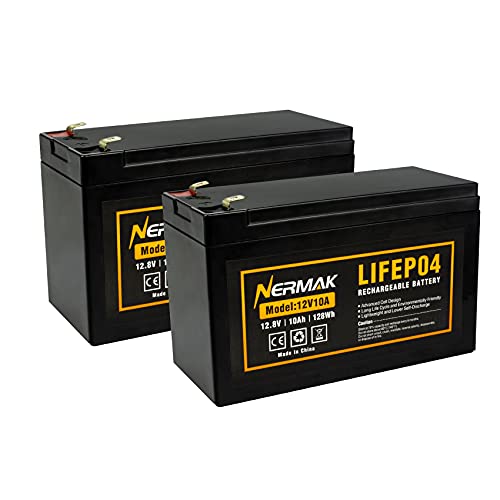
【Superior Performance】: Lithium iron phosphate battery has high energy density, Long cycle life, Good safety performance, No memory effect, etc. NERMAK LiFePO4 battery has built-in BMS protection to prevent overcharge, Over-discharge, Over-current and short circuit, and excessive low self-discharge rate ensuring up to 1-year maintenance-free storage.

【Superior Performance】: Lithium iron phosphate battery has high energy density, Long cycle life, Good safety performance, No memory effect, etc. NERMAK LiFePO4 battery has built-in BMS protection to prevent overcharge, Over-discharge, Over-current and short circuit, and very low self-discharge rate. (Not motorcycle starter battery)

【Advanced Smart BMS & All-Weather Safety】Equipped with an upgraded 100A Smart BMS, our battery provides comprehensive protection against overcharge, over-discharge, over-current, and short circuits. Unlike standard lithium batteries, it features automatic low-temperature cut-off, preventing charging below 32°F (0°C) to avoid cell damage. Built with stable LiFePO4 chemistry, it eliminates the risk of thermal runaway, ensuring maximum safety for your RV, boat, or home energy system in any season.
Where Gel Batteries Still Make Sense
Gel batteries still make sense in applications where their unique design advantages align with operational needs. Their deep-cycle resilience makes them ideal for marine, RV, and off-grid systems because they can repeatedly provide steady power over extended periods without losing capacity. The spill-proof construction allows you to mount them in tight, angled spaces without concern for electrolyte leakage, which is especially useful in confined or mobile environments. Their vibration resistance suits mobile platforms like boats or recreational vehicles, where constant movement can damage traditional batteries. Maintenance is minimal, making them practical for remote setups where regular upkeep is challenging. When choosing solar panel setups, evaluating series and parallel configurations helps optimize voltage and current for compatibility with gel batteries in off-grid systems.
In mobility devices such as wheelchairs, the sealed design eliminates indoor spill risks, ensuring safety in enclosed environments. Their low self-discharge rate means they stay ready for use over longer periods without frequent recharging. For backup power and uninterruptible power supplies (UPS), gel batteries provide a stable, maintenance-free operation in enclosed rooms with limited ventilation, reducing the risk of gas buildup. Pricing often favors gel batteries when upfront simplicity and compatibility with legacy systems matter more than the lowest per-cycle cost. Environmentally, gel batteries generate minimal gassing and corrosion, protecting sensitive electronics and making them a durable, safer choice for stationary standby applications.

🔋【3-in-1 Battery Charger, Desulfator, Maintainer】The 12V 24V battery charger is designed to charge and maintain 12 volts or 24 volts batteries, it can works as 12Amp quick battery charger. Compatible with all 12.6V Lithium-ion batteries,12V and 24V lead-acid automotive,marine, deep-cycle batteries: flooded,gel,AGM,maintenance-free,WET,CAL,EFB batteries in Car,motorcycle,lawn mower,ATV,truck,tractor,SUV,boat marine, etc.🎁Nice holiday gifts for Christmas day,New year,etc.

32lbs - The lightweight design of the Newport deep Deep cycle battery makes it easy to transport and install in your marine vessel. Enjoy powerful and reliable performance without adding unnecessary weight to your boat.

ML35-12GEL is a 12V 35AH GEL rechargeable maintenance free battery.
When Lithium Is the Smarter Choice
Lithium batteries are the smarter choice for daily cycling because they last significantly longer than gel batteries, with 2,000 to over 6,000 cycles compared to gel’s 500 to 1,000. This means you’ll replace a lithium battery far less often, reducing long-term costs. Lithium batteries also allow 80 to 100 percent depth of discharge, whereas gel batteries typically only reach 50 to 60 percent, so a smaller lithium bank can provide the same usable runtime as a larger gel bank. When paired with a pure sine wave inverter, lithium systems achieve optimal performance and reliability. In terms of weight, a 100Ah lithium battery weighs about 25 to 30 pounds, while a gel battery of the same capacity weighs 65 to 75 pounds, making lithium easier to install in tight spaces. Faster charging capabilities cut down generator run time, saving fuel and reducing noise. Higher efficiency means you recover more energy per charge, which boosts your overall system performance. Over its lifespan, a lithium system involves fewer replacements, lowering your total cost and enhancing battery recycling efforts, which benefits the environment. For high-use solar setups or mobile power applications, choosing lithium batteries offers better long-term economics and sustainability.

【Perfect Replacement for Lead-acid Batteries】CHITOLI 12V 100Ah Group 24 Lithium Iron Phosphate Battery is the perfect choice for lead-acid battery conversion and upgrading, the weight of our battery is only 22.57lbs, they are 35% smaller and 60% lighter than ordinary lead-acid batteries, and the energy density has been increased by 3-5 times. 【Note】This battery is suitable for energy storage rather than start-up.

【Product Overview】Designed for deep cycle energy storage applications, SUPER EMPOWER LiFePO₄ batteries provide reliable power for RV, marine, trolling motor, and off-grid systems, featuring premium LiFePO₄ cells and an integrated BMS for protection against overcharge, over-discharge, overcurrent, short circuit, and temperature extremes; ideal for auxiliary and house power needs in mobile and outdoor setups, ensuring stable and long-lasting performance. Designed for energy storage use only, this battery is not suitable for engine starting or cranking applications.

MAINTENANCE FREE: 12.99x 6.73x 8.43 inches. Weize 12v 100Ah sealed lead acid battery is manufactured with absorbent glass mat(AGM), which can help to save you from acid leakage and frequent maintenance. Terminal: Left : Positive (+)-Red, Right: Negative (-)-Black. Terminal: Left : Positive (+)-Red, Right: Negative (-)-Black.
Temperature Tolerance: Gel vs Lithium in Extreme Conditions
Lithium batteries generally outperform gel batteries in extreme temperatures, especially in cold conditions. In sub-zero environments, lithium retains more usable capacity because it can discharge efficiently down to around -20°C, whereas gel batteries become significantly less effective below freezing. However, charging lithium batteries below 0°C risks lithium plating, which can damage the battery and reduce lifespan. Gel batteries, while more tolerant of low temperatures during discharge, are limited by their lower thermo stability and should not be used above roughly +55°C, with some variants stretched to +65°C. Pushing either chemistry near its maximum temperature accelerates thermal degradation, leading to shorter overall lifespan. For cold climates, gel batteries offer easier charging without strict restrictions, but lithium provides better cold-weather discharge performance. In high temperatures, both suffer from capacity loss and degradation, though lithium’s safety risks increase more rapidly beyond its rated limits. Always examine datasheets for specific temperature ranges, as real-world operating conditions and prolonged exposure near extremes can significantly impact performance and longevity of both chemistries. A common characteristic of gel batteries is their sealed, maintenance-free design, which many users find convenient for off-grid installations. When selecting a battery for a solar-plus-storage system, hybrid inverter compatibility with your chosen chemistry’s temperature limits is critical to ensure optimal charging and discharging behavior.
Maintenance and Battery Management: What Each Requires
Maintenance and battery management requirements differ greatly between gel and lithium chemistries. With gel batteries, you need to perform regular checks on voltage levels to prevent sulfation caused by undercharging. You must also match your charger carefully to avoid over or undercharging and maintain float-style maintenance to keep the electrolyte balanced. Since gel batteries are sealed, you cannot top off the electrolyte as you might with other types, making routine maintenance more hands-on and vigilant. The advantage is lower manufacturing costs, but it requires a more active approach from you to ensure longevity.
Lithium batteries, on the other hand, simplify maintenance through an integrated battery management system (BMS). This system handles critical functions such as preventing overcharge, over-discharge, and ensuring cell balancing automatically. Your routine maintenance reduces to simple terminal cleaning and occasional checks of the state of charge. Partial charging is safe without risking damage or reduced lifespan. Although lithium batteries cost more upfront due to sophisticated manufacturing, their management system reduces long-term maintenance efforts. Additionally, lithium’s recycling infrastructure is better established, easing end-of-life disposal.
3 Questions to Decide Whether Gel or Lithium Fits Your Needs
Your choice between gel and lithium batteries depends on your specific needs, and three questions can help you decide. First, consider how many daily cycles you require. Gel batteries typically support 500 to 1,500 cycles at 50% depth of discharge (DOD), making them suitable for moderate use. Lithium batteries, on the other hand, can deliver 2,000 to over 6,000 cycles at 80% DOD, providing significantly longer lifespan and more usable energy storage for high-cycle applications like solar or off-grid systems. When wiring these batteries, always follow code-safe practice for torque and connection tightness to prevent overheating. Reading top battery tray reviews can also help you find the right mounting solution to pair with your chosen battery type.
Second, evaluate whether space or weight is a key concern. A 100Ah gel battery weighs about 60 kilograms, whereas a comparable lithium battery weighs roughly 15 kilograms. Lithium’s higher energy density and lighter weight make it ideal for mobile setups, compact installations, or situations where maximizing space is essential.
Third, assess the temperature environment you will face. Gel batteries perform reliably between -20°C and 50°C, making them a good choice for colder climates. Lithium batteries tend to struggle below 0°C during charging and are better suited for warm or temperature-controlled environments. Understanding your climate will help determine the best chemistry for durability and efficiency.