


Thinking about backup power for your home, you might wonder whether a generator or a solar battery system is the better choice. Each has its strengths: generators offer indefinite fuel-powered operation, while solar setups can significantly cut daily costs and require less maintenance.
Choosing the right option depends on your outage frequency and budget for fuel versus low-maintenance power.
Below, you’ll find all the details to help you decide which system fits your home best.
What’s the Real Difference Between a Generator and Solar Backup?
Both generators and solar backup systems provide electricity during outages, but they do so in fundamentally different ways. A generator burns fuel on demand to produce combustion-based AC power directly. In contrast, a solar backup system stores DC electricity in batteries, often generated from solar panels, which an inverter then converts into usable AC power for your home. Because solar batteries rely on stored energy rather than continuous fuel combustion, they are inherently more climate resilient, avoiding emissions and the disruptions of fuel supply chains. For those comparing top options to find the right fit, solar panel costs vary widely depending on system size and installation. Proper installation often begins with securing components using the correct cable tie tension to prevent damage to wiring. A UPS battery backup, by comparison, provides immediate power during brief interruptions, ensuring critical equipment stays operational during a transfer.
If your home is connected to the grid, a solar battery system can still draw power from the grid when available to recharge, offering greater flexibility. However, your runtime depends entirely on the stored capacity and sunlight availability for recharging, whereas a generator can run continuously as long as you refuel. Generators are better suited for high-demand, long-duration scenarios. Solar backup works best for quieter, automatic, and short, repeated outages, making your operational profile a matter of choosing between continuous fuel dependence and intermittent, renewable energy storage.
Generator vs Solar Backup: Which Costs Less to Install Upfront?
A generator typically costs $7,500 to $15,000 installed, making it the cheaper option upfront compared to solar battery systems, which range from $9,000 to $25,000. The main reason for this cost difference lies in installation complexity and equipment expenses. Generators require simple gas line work, concrete pads, and permits—all of which are predictable and straightforward tasks. In contrast, solar backups involve more electrical reconfiguration, including inverter integration and backup panel wiring, which increase labor and equipment costs. Additionally, batteries have higher manufacturing costs and environmental impacts, but these are more relevant to lifecycle considerations rather than initial expenses. For those weighing upfront value, reviewing top battery picks with terminals can clarify which models offer the best balance for long-term savings. If your priority is minimizing upfront investment, a generator offers a simpler, more affordable option today, though understanding negative battery cables safety procedures helps ensure proper handling during any backup system maintenance. Comparing models from a review of top solar generators can further aid in evaluating performance trade-offs.

9500 Running Watts and 12500 Peak Watts (Gasoline); 8500 Running Watts, 11200 Peak Watts (Propane); Remote Start with Included Key Fob, Electric and Recoil Start; Up to 12 Hours of Run Time on a 6. 6 Gallon Fuel Tank with Fuel Gauge
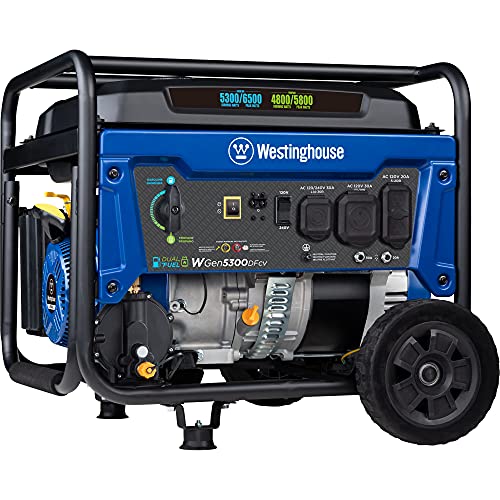
Gasoline: 5300 Running Watts & 6500 Peak Watts; Propane: 4800 Running Watts & 5800 Peak Watts; 4.7 Gallon Fuel Tank with Fuel Gauge; Up to 14.5 Hours of Run Time with 120/240V Volt Selector Switch

224cc dual-fuel engine runs on both gasoline (6800 surge watts, 5100 rated watts) and propane (6000 surge watts, 4500 rated watts)
Generator vs Solar Backup: Which Handles Long Outages Better?
A generator can run continuously for days or weeks, provided fuel remains available. This makes it ideal for long outages where you need to power high-demand equipment like central air or electric water heaters without interruption. However, its endurance depends completely on your fuel supply. For example, a 5,000-watt generator consumes around 12 gallons of fuel daily, so without resupply, its runtime is limited to a few days. During disasters, fuel shortages often cause generators to shut down earlier than planned, reducing their reliability for prolonged outages. Choosing a battery isolator can help manage multiple power sources in a backup system. For those relying on generators, using wire ferrules ensures secure and reliable connections in the wiring.
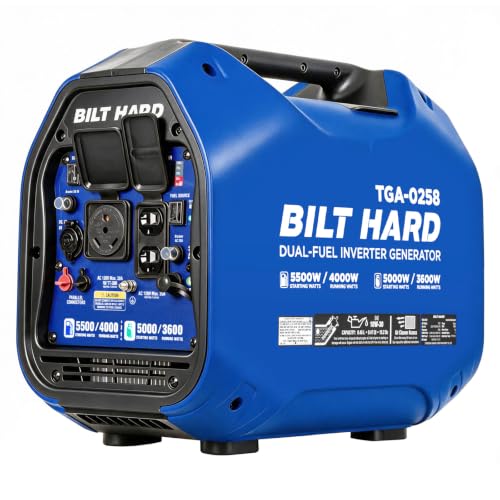
DUAL-FUEL POWER: Delivers up to 5500 starting watts/4000 running watts on Gasoline or 5000 starting watts/3600 running watts on LPG, supporting Home Backup, RV, Camping, and Outdoor power needs

POWERFUL PERFORMANCE: The iGen5000DFc dual fuel inverter generator is perfect for your RV, jobsite, or emergency home backup; Gasoline: 5,000 peak watts and 3,900 running watts, Propane: 4,500 Peak Watts and 3,500 running watts; Runtime: up to 18 hours at 25% load on a 3.4 gallon gas tank

5000 Peak Watts and 3900 Rated Watts at Less Than 3% THD – Telescoping Handle – Gas or Propane Powered – Remote Start With Included Key Fob, Electric and Recoil Start
Generator vs Solar Backup: What Are the Daily Operating Costs?
The daily operating cost of a generator varies widely, depending on fuel type, load, and runtime, ranging from about $10 to over $150 per day. A natural-gas standby generator typically costs between $45 and $96 daily under normal use, while gasoline-powered units can reach $68 to $144 daily. Solar backup incurs almost no ongoing fuel costs, with expenses limited to battery wear and grid charging rates. On sunny days, the daily cost for solar drops near zero, limited mainly by the electricity rate per kilowatt-hour needed to recharge the batteries—often under $5 daily. Your total daily costs also depend on installation expenses and environmental impact, as generators continuously burn fuel and produce emissions, whereas solar’s initial setup requires a higher upfront investment but offers lower daily expenses. For extended backup needs, generators require regular refueling or maintenance of battery capacity, while solar systems are more economical on a daily basis, especially over time. For example, a 2000 watt power inverter can run appliances like refrigerators and lights without the fuel costs of a generator. Understanding the nylon construction of cable ties can help you secure solar panel wiring neatly, reducing trip hazards and wear over time. Comparing the top efficiency ratings of solar panels can help you maximize energy harvest and further reduce your reliance on grid power during cloudy days.


Portable Generator with 60W Solar Panel Included: with a big battery pack, ZeroKor 300W solar powered generator are powerful enough to charge smartphones,tablets,laptops,headphones or other outdoor small camping supplies(Tips:Using electrical appliances over 300W may damage the portable solar generator, especially some devices that are prone to heat or built-in air compressor such as coffee maker,Hair dryer, water pump etc )

Home Backup Power Station: Still worried about power outages? This kit includes tow 51.2V 100Ah LiFePO4 batteries and one 10000W MPPT inverter, providing 10240Wh capacity and 10000W AC output power. It keeps essential household appliances running during an outage.
How Noisy and Smelly Is Each System to Your Neighbors?
A solar system is much less noisy and smelly than a generator. A typical generator produces sound levels around 65 to 70 decibels, comparable to a vacuum cleaner, and emits exhaust fumes that can drift into neighboring yards. Its low-frequency hum can penetrate walls and becomes more noticeable at night, often forcing you to add costly soundproof enclosures. The continuous combustion process also creates odors that require strategic placement away from property lines, though fumes can still drift. For those who need a backup power source, choosing a top lithium battery charger can ensure efficient and quiet recharging of batteries. Considering the best solar panels for farms can also help reduce long-term noise and odor issues compared to generator-based setups. A well-matched 6V battery and charger can further enhance quiet, odor-free performance during power outages.
In contrast, a solar system’s inverter operates quietly at only 38 decibels from 100 feet away and produces no exhaust or fuel odors. Solar panels themselves are completely silent and emit no smell, making them ideal for maintaining neighborly relations even in large agricultural installations. Since the inverter runs only during daylight hours, it remains nearly silent and odorless, making it far less intrusive to neighbors. This means you do not need to invest in extra noise barriers or odor mitigation measures, helping to maintain a peaceful coexistence on your property line.
Generator vs Solar Backup: Which Requires Less Maintenance?
A solar backup system generally requires significantly less maintenance than a generator. Unlike a generator’s internal combustion engine, which has dozens of moving parts that need regular attention, solar panels have no moving components at all. Your primary tasks are cleaning the panels and inspecting them visually to ensure they are free of debris and damage. Energy storage batteries only need occasional monitoring of charge levels and recharging during periods of low sunlight. Additionally, selecting a top power inverter ensures your battery system operates efficiently and reliably. For lead-acid battery types, a dedicated trickle charger can maintain the charge during extended idle periods and prevent sulfation. Using a hybrid inverter allows seamless integration of solar panels and battery storage for optimized energy management.
In contrast, generators demand ongoing upkeep such as oil and filter changes, spark plug replacements, coolant checks, and fuel system inspections for contamination and leaks. Running exercise cycles for testing and professional servicing packages that cost between $200 and $500 annually are common. Mechanical parts in generators are prone to wear, and managing exhaust emissions and fuel byproducts adds further complexity. Overall, a solar backup minimizes mechanical maintenance, making it a passive, low-intervention choice for your backup power needs.

Home Backup Power Station: Still worried about power outages? This kit includes two 51.2V 100Ah LiFePO4 batteryies and one 5000W MPPT inverter, providing 10240Wh capacity and 5000W AC output power. It keeps essential household appliances running during an outage.

All-in-one Inverter Charger: Not only a power inverter with 3600 watt rated/7200 watt peak power, but with built-in 120A MPPT solar charge controller, and 100A AC battery charger. PV input voltage range 60V-500VDC, Max. PV input power 4200w, 16A

Which Backup System Matches Your Budget and Outage Frequency?
A generator is usually more cost-effective for frequent or extended outages. It offers unlimited runtime as long as you have fuel, making it suitable if outages last multiple days or occur repeatedly. However, generators involve ongoing fuel logistics, including storage, delivery, and costs with each outage. They require careful planning to ensure enough fuel is available and may involve maintenance expenses over time. If you prefer a renewable approach, solar battery chargers provide reliable power with no fuel logistics needed. To maintain clean connections on such systems, applying dielectric grease can prevent corrosion and ensure reliable performance. For those using solar storage, be aware that regular partial recharges can significantly extend the battery’s total lifespan.
A solar battery backup, on the other hand, has a higher upfront cost but no ongoing fuel needs. A typical 13.5 kWh battery can power essential appliances for 12 to 18 hours during a blackout. Its capacity limits how long it can run without recharging, making it better for brief or infrequent outages. The battery recharges automatically using solar power, removing the hassle of fuel logistics. If outages are rare and short, a battery provides a quieter, low-maintenance alternative.

Premium Durable Construction: This transmission fluid transfer pump made of sturdy PP pump cylinder and wear-resistant PVC hoses for anti-aging performance, supporting long-term service life with simple regular maintenance

12V High Efficiency Electric Fuel Transfer Pump: Self-priming pump delivers 30 gallons per hour (GPH) for gasoline or diesel, enabling efficient fuel transfer. The filter ensures clean fuel, preventing clogging in your equipment. You can extract old gasoline from cars, trucks, lawn mowers, or boats, then refuel another equipment or store the fuel

Electric Fuel Pump Output Pressure: 4.5-7PSI; Input Voltage: 12 Volt
Can You Combine a Generator and Solar Battery for Better Backup?
Combining a generator and solar battery into a hybrid backup system provides reliable power with optimized fuel use. In this setup, the solar battery acts as the primary, silent power source, supplying energy during normal conditions. When stored energy runs low, the generator automatically starts to recharge the battery, ensuring continuous power without the need for the generator to run constantly. This decreases fuel consumption and reduces noise and emissions during everyday use.
To ensure safe and efficient operation, integrate the system with a transfer switch that isolates power sources and includes automatic start triggers based on battery voltage levels. Proper engineering is essential: the voltage and frequency of the generator must match the inverter’s specifications, and start/stop logic needs to be coordinated across all components to prevent backfeeding or equipment damage. This hybrid approach offers modular compatibility, allowing you to pair specific inverters with generator-start logic, and system expandability, so you can add more solar panels or battery capacity later as needed.