
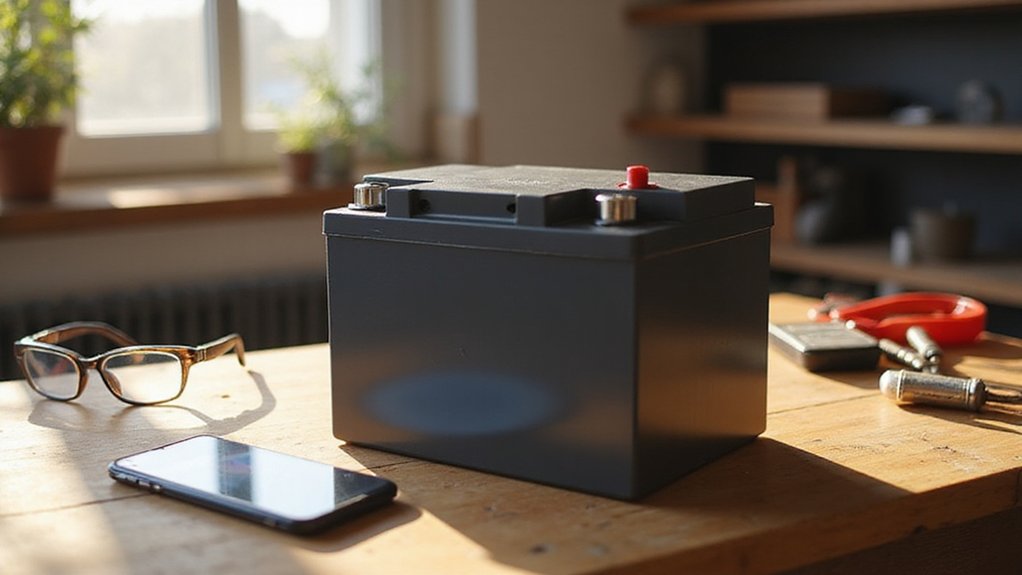

Wondering if your battery is AGM? These batteries are usually marked with labels like “AGM,” “Absorbent Glass Mat,” or “VRLA.”
Their tops are flat and sealed without removable vent caps.
If you’re still unsure, details in your owner’s manual or the weight of the battery can help confirm.
Keep reading to learn how to spot an AGM easily.
What Is an AGM Battery and Why Does It Matter?
An AGM (Absorbed Glass Mat) battery offers lower internal resistance, which allows for faster power delivery and better support for high electrical loads. Charging techniques are crucial: AGM batteries accept higher charge rates than flooded lead-acid batteries but require voltage-regulated chargers to prevent overvoltage damage. Maintenance is simpler because no watering is needed, and the sealed case reduces the risk of corrosion. However, using incompatible chargers or improper charging methods can shorten the battery’s lifespan. When comparing top battery picks, AGM models are often rated highest for quality, performance, and value in modern vehicles. AGM batteries are especially suitable for enclosed spaces like trunks or under seats, as their stability and safety features make them a durable choice in those environments. For those building power systems, creating a custom DIY breaker box cover can help protect AGM batteries from accidental short circuits. Additionally, their lower internal resistance enables faster power delivery for high-demand electronics like audio systems or winches.
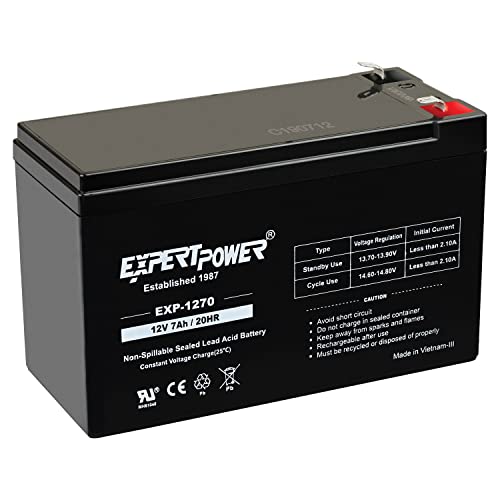
Universal Compatibility: Works with alarm systems, security devices, UPS, kids ride-on cars. 12V7Ah/20HR rechargeable battery replaces 1270 batteries, UB1270, RT1270, CA1270, 12FM7 and more.

Reliable Backup Power: Consistent 12 V 12 Ah battery for security system, UPS, small EPS (single-lift emergency descent power), mobility devices, medical devices and other standby systems.

【Longer Service Life】Miady 12v 12ah battery can last a long time, which is also a rechargeable maintenance free battery. Voltage: 12V, Capacity:12Ah, Dimensions: 5.9*3.66*3.82 In (L/W/H), Terminal Type: F2
Check the Battery Label for These AGM Markings
To verify that a battery is AGM, check the label for specific markings. Look for “AGM,” “Absorbent Glass Mat,” or “Absorbed Glass Mat” printed directly on the case. These terms clearly indicate an AGM battery. Variations like “VRLA AGM,” “AGM Technology,” or “Start-Stop AGM” also confirm it’s AGM. Additionally, terms such as “VRLA,” “Sealed,” “Maintenance Free,” “Non-Spillable,” or “Dry Cell” are often found alongside AGM wording and help with identification.
You’ll usually find these markings on the main label, top, or side of the battery case, often near the model number. Some part numbers may include “AGM” for quick recognition. Flooded batteries do not have these markings, so if you don’t see any AGM-related wording, a secondary check is necessary. Properly identifying an AGM battery ensures you use the correct charging procedures, which helps extend its lifespan and prevents damage. It also guides storage practices, as AGM batteries need specific voltage limits and should not be over-discharged. For solar systems, pairing this battery with panels featuring MC4 connectors ensures reliable and efficient power connections. Understanding the difference between an inverter and a converter helps you choose the right power solution for your specific setup.
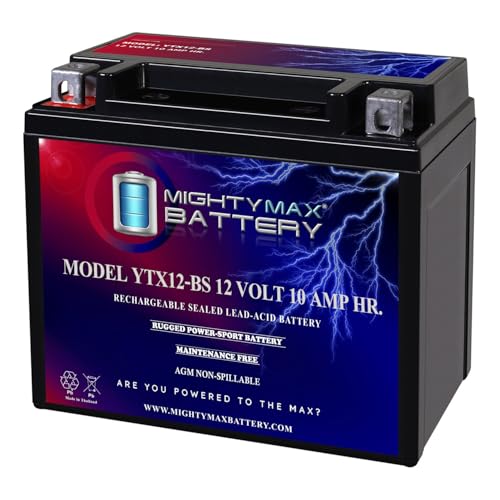
YTX12-BS is a 12V 10AH 180 Cold Cranking Amps (CCA) Sealed Lead Acid (SLA) Battery
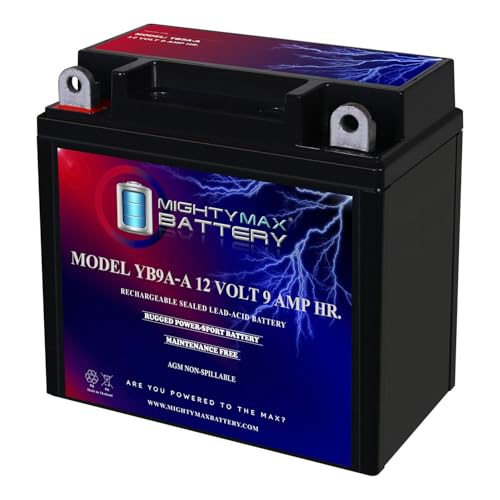
YB9A-A is a 130 Cold Cranking Amps (CCA) 12V 9AH Sealed Lead Acid (SLA) Battery
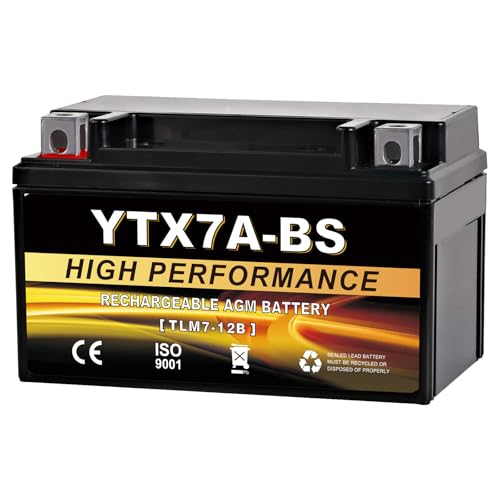
✅ High Performance & Reliable: Daakmax YTX7A-BS is a 12V 6Ah sealed AGM (Absorbed Glass Mat) battery offering 105 cold cranking amps (CCA). Designed to deliver superior starting power and reliable performance even in cold weather.
Look for a Flat, Sealed Top With No Vent Caps
A flat, sealed top with no vent caps indicates a maintenance-free AGM or gel battery. This smooth, solid surface typically lacks removable vent caps, which are common in flooded batteries for electrolyte addition. Because of its sealed construction, you won’t see six individual caps—you’ll only find a flat, featureless surface. For added clarity, reviewing top lithium battery chargers can help confirm the correct charging method for your sealed battery type. If you use a portable solar panel to maintain your battery, ensure it is compatible with sealed types by checking the solar panel output specifications. For accurate assessment, consider using a DIY battery tester to verify the battery type through internal resistance measurements.
This design helps eliminate regular maintenance, as there’s no need to check or top off electrolyte levels. However, it’s important to remember that the pressure-relief valves are hidden beneath the smooth surface and are not user-serviceable. Never attempt to pry open or modify a sealed top, as it can damage the internal pressure system and compromise safety.
While a fully smooth top strongly suggests a maintenance-free sealed type, such as AGM or gel, some flooded batteries are also manufactured to look sealed. Use this visual cue as an initial indicator rather than definitive proof. Always combine it with other identification methods, like checking the battery label or specifications, for an accurate assessment.
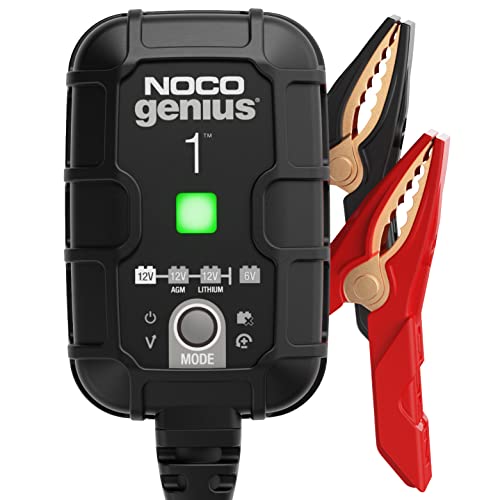
MEET THE GENIUS1 — Similar to our G750, just better. It's 35% smaller and delivers over 35% more power. It's the all-in-one charging solution - battery charger, battery maintainer, trickle charger, plus desulfator.

🔋【3-in-1 Battery Charger, Desulfator, Maintainer】The 12V 24V battery charger is designed to charge and maintain 12 volts or 24 volts batteries, it can works as 12Amp quick battery charger. Compatible with all 12.6V Lithium-ion batteries,12V and 24V lead-acid automotive,marine, deep-cycle batteries: flooded,gel,AGM,maintenance-free,WET,CAL,EFB batteries in Car,motorcycle,lawn mower,ATV,truck,tractor,SUV,boat marine, etc.🎁Nice holiday gifts for Christmas day,New year,etc.

RESTORE YOUR BATTERY: Our battery charger and maintainer set charges various types of 12V lead-acid batteries, including flooded and sealed maintenance-free batteries such as AGM and gel batteries
Use Your Owner’s Manual to Confirm Battery Type
Your owner’s manual is the most reliable source for confirming your battery type. Check the battery specification page directly; it often lists AGM, VRLA, or sealed lead-acid. The replacement guidelines section usually names the exact factory battery model. Look for terms like Absorbent Glass Mat in the index, which indicates an AGM battery. Maintenance instructions may reference an AGM-specific charger setting, confirming the type. If the manual warns against using generic chargers, that’s another clear indicator. The manual also links the battery to your vehicle’s trim or start-stop system. AGM batteries offer higher safety and performance compared to traditional flooded lead-acid types, particularly in vibration-prone environments. When the battery case markings are unclear, always defer to the manual for proper maintenance and safe replacement. It’s the manufacturer’s definitive guide. For ongoing care, similar to solar panel upkeep, you should follow the safest fix order to avoid damaging the battery terminals. Additionally, you should inspect for corrosion regularly using steps from the cleaning guide to maintain a strong connection.

Efficient, Energy-Saving, and Fast Charging: The TowerTop 12v battery charger offers 4 adjustable current settings (2A/10A/25A/AUTO) to meet your diverse needs. With a max charging current of 25A, you can fully charge a 100Ah battery in under 3.5 hours. Achieving an 85% charging efficiency (industry average 75%), this battery chargers is more efficient, increasing charging speed by 1640% compared to 2A car battery charger. Not only is it energy-efficient, but it also saves you a lot of wait time

25A Rapid charging for 12V & 24V Batteries: Engineered for heavy-duty performance. Delivers a powerful 25A output for 12V batteries and 15A for 24V batteries, charging significantly faster than standard maintainers. Perfect for larger vehicles including Trucks, SUVs, Boats, and RVs. Universally compatible with Lead-Acid (AGM, GEL, SLA, Flooded, EFB) and LiFePO4 Lithium batteries. Note: Intelligent chip automatically detects 12V or 24V connection.

3 in 1 Battery Charger: Our 10A car battery charger comes with a compact size and 10A 12V super fast charging, compatible with all 12V lead-acid batteries (including AGM, GEL, SLA, VRLA, etc.) and LiFePO4 lithium batteries, functions as a charger, maintainer, and trickle charger for cars, motorcycles, trucks, boats, and more. Please note: This is a car battery charger and please connect it to a power source before use. (Please do not let the charger operating unattended for more than 12 hours.)
How to Spot the Difference Between AGM and Flooded Batteries
To identify whether a battery is AGM or flooded at a glance, start by checking the label. An AGM battery will display “AGM,” “Absorbent Glass Mat,” or “VRLA” prominently. Flooded batteries typically lack these markings and may instead be labeled as “wet” or “conventional.” Next, examine the top of the battery. AGM models are sealed, meaning they have no removable vent caps. Flooded batteries, on the other hand, have vent caps or fill ports that allow you to access the electrolyte. This sealed design makes AGM batteries safer by preventing leaks and acid spills, even if the battery is mounted on its side. Flooded units require upright positioning to avoid leaks. Internally, AGM batteries use fiberglass mats to immobilize the electrolyte, while flooded batteries contain free-flowing liquid. The sealed construction of AGM batteries also reduces environmental impact by minimizing gas venting, as they internally recombine gases instead of releasing them through vent plugs.

✅Batter dimensions: 13.9" L x 6.89" W x 7.48" H, Terminal: Tapered terminal (Left negative (-), Right positive (+)). ✅Please ensure to verify the dimensions and terminal position before making a purchase to guarantee compatibility with your vehicle to avoid any fitment issues.

CHECK SIZE AND TERMINAL FIRST: 12V 7Ah (20-hour rate) sealed lead acid battery, 5.94 x 2.56 x 3.70 in (L x W x H), F1 terminals (0.187 in / 4.8 mm tabs). F2 terminals are wider (0.250 in): if your old battery has F2, choose the Casil CA1272 instead.

Fast Starting Power: This 12V 60Ah 680 CCA delivers strong, steady starts is ready for any weather in any season.
Still Unsure? Check Weight, Sound, and Charging Profile
To verify if you have an AGM battery, perform a quick weight check and assess its charging profile. AGM batteries tend to weigh more than flooded lead-acid batteries of the same voltage and amp-hour rating because they contain dense lead plates and a glass mat separator. A heavier feel compared to other batteries suggests AGM construction. When shaken gently, AGM batteries typically produce a solid or muted sound without liquid sloshing, unlike flooded batteries that may make liquid slosh or rattle if damaged. Rattling, however, indicates internal issues, not an AGM design feature. Real-world lifespan typically ranges from three to five years depending on usage and care. In very cold conditions, AGM batteries are less likely to freeze than flooded batteries because their sealed construction prevents electrolyte dilution and stratification.
Next, check the charging profile with a suitable charger. A proper AGM charger accepts a controlled absorption stage where voltage is steadily maintained, followed by a float stage with a lower, safe voltage level. During charging, you should see the voltage rise gradually and then switch to float without overheating. Avoid chargers that supply high constant voltage or aggressive charging, as this can damage AGM batteries. For safety and compatibility, use a charger labeled “AGM” or “VRLA,” which helps prevent gassing and heat buildup, confirming the battery is sealed AGM type. Store the battery away from flammable household items to reduce fire risk if a fault occurs.