
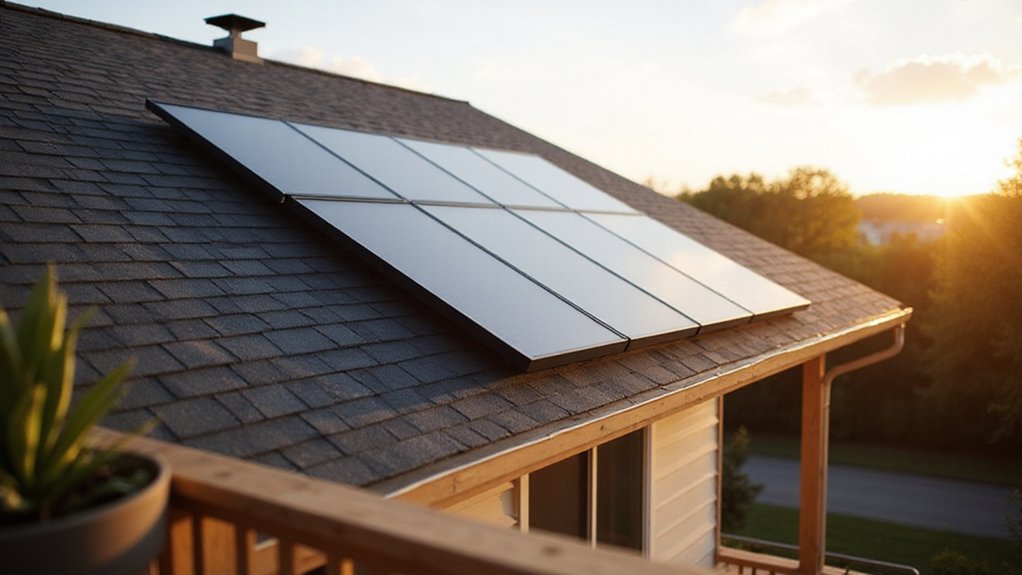

Thinking about going solar but unsure whether to choose shingles or traditional panels? The decision often comes down to choosing between efficiency and seamless design.
Solar panels deliver the highest energy output for long-term savings, while shingles blend into your roof for a sleek look. Keep reading to find out which option best matches your home’s needs.
What’s the Real Difference Between Solar Shingles and Panels?
Solar shingles and panels differ primarily in how they integrate with your home’s roof. Solar shingles are designed to replace your existing roofing surface, serving both as a protective layer and a power generator. Because of this dual role, they are ideal for new constructions or complete roof replacements, offering a seamless, integrated appearance. However, their durability becomes critical since each shingle must withstand weather conditions as both part of the roof and a solar device. Compatibility with your roof structure is also strict; often, a full re-roofing process is necessary to install them properly. When evaluating solar shingles, homeowners should also consider how the system’s battery with terminals compares in quality, performance, and value to those used with traditional panel setups. For homeowners who prioritize reliable electrical connections, the quality, performance, and value of MC4 connectors on traditional panels is a well-established benchmark in the industry. While reviewing the top chargers available ensures you choose a high-quality lithium charger that matches your system’s specific requirements.
On the other hand, solar panels are mounted on top of your existing roof using racks or mounts. They are usually easier to retrofit, meaning you can add them without replacing or disturbing your current roofing material. Solar panels do not need to serve as roofing material, so they preserve your existing roof’s integrity and allow for more flexibility in installation. This makes them a more straightforward option if you want to enhance your home’s solar capacity without undergoing a full roof replacement.
How Do Solar Shingles vs. Panels Compare on Efficiency?
Solar panels generally have higher efficiency than solar shingles. Typical panels convert about 20% to 24% of sunlight into electricity, whereas shingles usually range from 10% to 20%. This means panels produce more power per square foot—about 20 to 25 watts per panel compared to 10 to 20 watts for shingles. When choosing a mounting system, homeowners should also consider the best roof mounts to optimize panel placement and airflow. Advanced shingles now reach efficiencies of 22% to 23%, but this is not typical for most products. Panels also benefit from airflow underneath, which helps keep them cooler and improves their efficiency. Reliable panel installations often rely on a professional mounting system to ensure stability and peak performance. In hotter regions, shingles tend to lose more efficiency due to their integrated design that traps heat. If maximizing energy output from limited roof space is your goal, panels remain the more efficient choice. For those seeking durable options, off-grid living guides often recommend panels for their reliable performance.

Unmatched Cell Efficiency - Renogy's 100W solar panel features grade A+ cells, delivering an impressive conversion efficiency of 25%. This provides 20W more power output compared to conventional p-PERC panels of the same design.

Unmatched Cell Efficiency - Renogy solar panel 100w features grade A+ cells, delivering an impressive conversion efficiency of 25%. This solar panels provide 20W more power output compared to conventional PERC panels of the same design.

【High-Efficiency N-Type 18BB Solar Panel】Our AeternaSol 200W solar panel features premium N-Type A+ Grade cells, a high-performance N-type model standing out in the market. Adopting 18 Busbars, it achieves 25.6% high efficiency and stable power output for all scenarios. A+ monocrystalline silicon minimizes microcrack risks; combined with 18BB silver-containing busbars, it ensures low degradation (≤1% first year, ≤0.4% annually) and extended service life, a reliable choice for RV or home backup power.
Breaking Down the Cost: Is One Really Cheaper?
Compared to solar shingles, solar panels are significantly cheaper on a per-watt basis. Typically, panels cost between $2.50 and $3.50 per watt installed, while shingles range from $3.50 to $8.00 per watt. For an 8 kW system, panels usually total around $21,000 to $29,400 before incentives, whereas shingles for the same output can exceed $50,000. This huge price difference stems from how each option is installed and integrated. Panels use a separate racking system that simplifies installation and reduces labor costs, while shingles combine roofing and power generation in one, raising both material and labor expenses. Remember, durability and upfront costs are not the same: shingles might last longer as roofing materials, but they come with a hefty price tag upfront. Overall, panels are the more budget-friendly choice for most solar users. Additionally, top picks among solar panels with plugs often provide excellent value by simplifying setup even further. For those needing to maintain a separate power source, investing in a reliable charging device can be a smart complement to your solar setup. For homeowners who want both cost savings and higher energy yield, pairing standard panels with micro inverter technology can boost performance on partially shaded roofs.

[OUTDOOR-READY] Tempered glass and aluminum frame with sealed junction boxes for backyard year-round use.
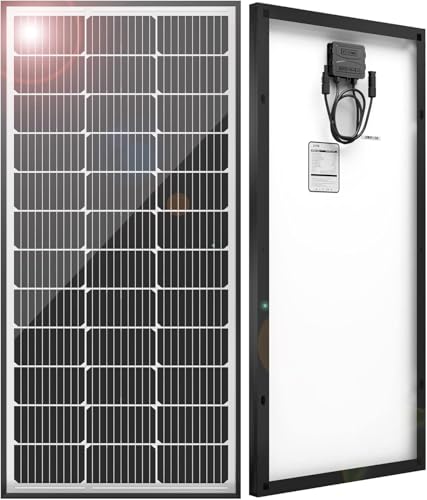
[Higher Efficiency, More Power Output] With Grade A+ large monocrystalline solar cells, this panel achieves a remarkable 23% conversion rate, outperforming conventional options. It generates up to 500Wh of electricity per day with 5 hours of direct sunlight. Unleash the potential of solar energy with our high-performance panel.

【High Conversion Rate】This 20W solar panel with monocrystalline A+ solar cell has an excellent cell efficiency of 21%-30%. Designed to charge and maintain 12V rechargeable batteries like LiFePO₄, Lithium Ion, AGM, SLA, GEL, EFB, MF, etc. Keep batteries in charged for trailer, tractor, truck, boat, motorcycle, RV, car, lawn mower, water pump, gate opener, electric fence, etc
Do Shingles Justify Their Higher Cost in Installation and Maintenance?
Shingles can justify their higher costs primarily when you value a uniform appearance or need a new roof. Routine maintenance costs are relatively low, around $200 to $500 annually, for inspections and debris removal. However, repairs tend to be more complex and expensive because shingles are integrated into the roof surface. Fixing individual shingles involves specialized procedures that combine roofing skills with electrical work, which increases service costs, much like how mechanics must disconnect the negative cable first to safely isolate a vehicle’s electrical system. While replacing a few shingles is possible, it remains a specialized task that can be costly. For those looking to supplement their energy storage, a solar battery charger can offer a simpler portable solution compared to a full roof integration. Proper use of these integrated systems often requires understanding wire stripping techniques to ensure safe and reliable electrical connections.
In most cases, the higher installation and maintenance costs of shingles are justified if you’re seeking a cohesive look that enhances curb appeal or if your roof requires complete replacement. For minor repairs or if budget is a concern, you may find other roofing materials more attractive due to their simplicity and lower ongoing expenses. Ultimately, whether shingles are worth the investment depends on your priorities for appearance, longevity, and willingness to handle potential higher costs.
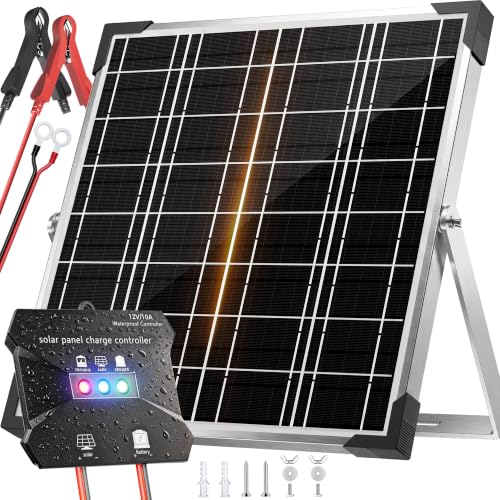
High-Efficiency MPPT Solar Charger - Advanced tracking technology delivers 20-30% faster charging for 12V batteries. A+ monocrystalline panels maximize power conversion. Perfect 20W solar trickle charger for cars, RVs, boats, and trailers. More sun captured, less time waiting.
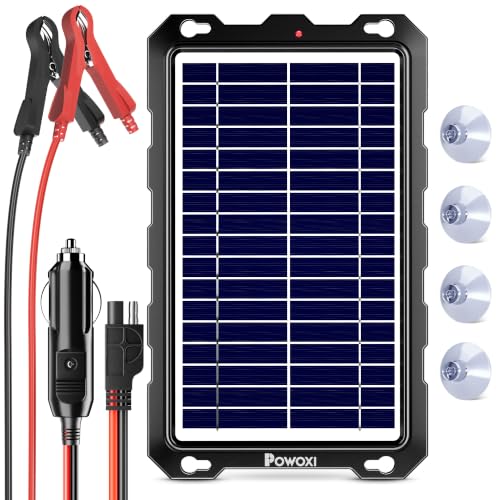
Upgrade Intelligent Charge Controller: Built-in internal protection system and smart fast charging Cooperate with Quality solar silicon material ensures high conversion and stable output the solar panel's energy conversion efficiency to 25-30%

【Ultra-Smart MPPT Technology】This 12v solar panel battery charger is crafted with SUNER POWER's unique Ultra-Smart MPPT( Max Power Point Tracking) technology, the innovative MPPT allows to deliver high tracking efficiency of up to 99% and peak conversion efficiency of 98%, improving approximately 20%-30% utilization rate than other competitors
Solar Shingles vs. Panels: Which Lasts Longer?
Solar panels typically last longer than solar shingles. Standard photovoltaic panels generally degrade only about 0.5% per year and often continue to produce power well beyond their rated lifespan of 25 to 30 years. In contrast, solar shingles, rated for 20 to 30 years as roofing materials, tend to have a less proven track record for sustained energy output over time. Their integrated design makes replacing individual units more challenging; if a single shingle fails, it can compromise the entire roof’s appearance and integrity. As a result, shingle components often need replacement sooner due to combined wear and tear on both the roofing and electrical functions. On the other hand, panels are easier to replace individually without disturbing the roofing, making them more practical for long-term maintenance. Overall, solar panels offer a more reliable and durable solution for sustained energy production. For a stable system, consider using a top string inverter to optimize panel performance. For proper installation, choosing reliable battery cables ensures a secure connection and consistent power flow.
When Should You Choose Shingles Over Panels?
You should choose shingles over panels when your roof is already due for replacement or undergoing repairs. Since installing solar shingles involves removing and replacing your roof anyway, combining the projects into one installation can save you both time and money. Additionally, shingles excel when aesthetic harmony is a priority. They blend seamlessly into your roofline, maintaining the visual appeal of your home without the bulkiness of traditional racks. This low-profile look is especially important for upscale residences or homes with a carefully designed exterior. However, it remains crucial to watch for warning signs of aging just as you would with any photovoltaic system, as shingles can also degrade from heat and weather exposure over time.
Shingles also offer a solution for navigating community restrictions. Many homeowner associations or local design review boards limit the visibility of mounted solar panels. Since shingles are integrated directly into your roof, they meet these rules without raising eye-watering objections. If local codes, HOA rules, or aesthetic concerns prevent the use of traditional solar panels, shingles provide a practical alternative that lets you pursue solar power without friction. While they may not be the best fit for every situation, shingles become a savvy choice when your roof needs work or when restrictions are in place.
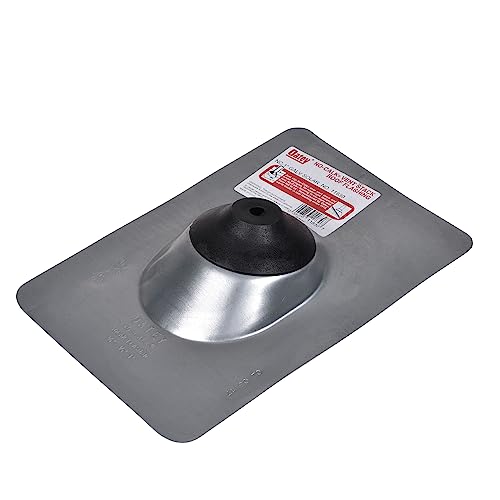
Made in United States

[Roof Solar Mounting Brackets] Suitable for metal roof, shingle roof. 10 set of solar mounting brackets can hold up to 4 solar panels.Instead of the very short 4” mini rails, we offer 10x 6” rails, which are 50% longer and more flexible. -- Please notice that this solar panel mounting brackets is compatible to solar panel thickness: 1.37-1.4 inches.

Product Includes: a kit containing 8 L-Foot mounts with flashing, complete with bolts and hardware, specifically designed for asphalt shingle and composite tile roofs, compatible with most common photovoltaic rails, meeting the installation needs of residential solar modules
How Do You Choose Based on Your Roof, Budget, and Priorities?
Choosing between shingles and panels depends on your roof’s condition, your budget, and your aesthetic priorities. If your roof is in good shape and you’re mindful of costs, solar panels are the better choice. They are generally cheaper per watt, offer higher efficiency, and handle seasonal shading more effectively. Additionally, installation usually doesn’t require a full roof tear-off, and panels can adapt to a wider range of roof pitches. To maintain that efficiency over time, you should follow a safest fix order for cleaning to avoid damaging the panels or voiding warranties. For those evaluating backup options, comparing top picks on quality, performance, and value helps ensure a reliable power solution. Using the right connectors and wire ferrules ensures a secure and lasting electrical connection.
On the other hand, if you’re already replacing your roof, shingles might be more advantageous despite their higher cost, typically adding around $14,000 to your project. Shingles provide a more seamless architectural look and integrate better with HOA requirements or specific design preferences. Keep in mind, shingles generally require a minimum roof pitch of 3:12 and need more space because of lower efficiency.
Prioritize panels if your goal is maximum energy output for each dollar spent. Opt for shingles when the visual appearance and a combined roofing-solar project are more important to you. Ultimately, your decision should consider your roof’s current state, your budget constraints, and how much you value the aesthetic outcome.
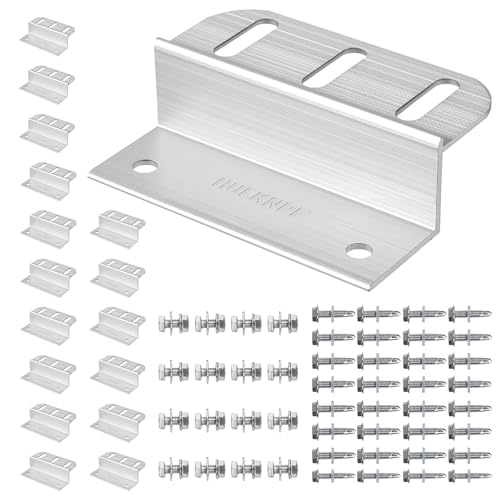
Durable & Wind-Resistant Build: Crafted from corrosion-resistant aluminum alloy, these heavy-duty Z brackets provide long-lasting, stable performance and withstand high winds for outdoor solar installations.

Reliable & Multi-Functional: Torsion-resistant and corrosion-resistant, these solar panel mounting brackets provide high stability and precise manufacturing, making them ideal for secure attachment of photovoltaic and solar modules. The tilt angle can be adjusted from 0-90° without tools

【SUPERIOR QUALITY】 Anodized Aluminum Z brackets, Stainless Steel Hex Bolts and Screws, service life up to 25 years, perfectly supporting solar panels in off-grid installations.