


If you’re wondering what makes LiFePO4 batteries stand out, the key is their safety and longevity.
Unlike other types, they use a stable chemical composition that resists overheating and can last thousands of cycles.
This article will break down how their internal chemistry offers these benefits and what you need to know.
Why Are LiFePO4 Batteries Safer Than Other Lithium-Ion Chemistries?
LiFePO₄ batteries are safer than other lithium-ion chemistries due to their inherent structural stability. They utilize an iron-phosphate cathode with strong covalent bonds, which significantly reduces oxygen release during overheating. This stability limits the risk of thermal runaway, with a safety threshold near 270°C, much higher than the 170–210°C range typical of NMC or LCO chemistries. During overcharge tests, LiFePO₄ cells produce only about 5.5% of the heat generated by cobalt-based cells, greatly decreasing the chance of thermal failure. Additionally, this stable chemistry retains performance as the battery ages, as the iron-phosphate matrix resists decomposition better than high-nickel cathodes. It also simplifies recycling, since fewer hazardous thermal events occur during disassembly. For instance, simple habits like avoiding deep discharges and extreme temperatures can extend operational life, echoing how proper usage habits maximize longevity in other battery types. Its lower heat release and robustness in abuse tests, such as passing nail penetration without ignition, reinforce that LiFePO₄ is among the safest lithium-ion options for high-stress applications. For users integrating these batteries into solar systems, pairing them with top solar panels ensures reliable and safe energy management. Similar to how a lightning arrester prevents catastrophic surges from damaging electrical systems, LiFePO₄ chemistry inherently blocks dangerous thermal events before they can escalate.

ULTIMATE SAFETY WITH LiFePO4 TECHNOLOGY - Unlike conventional lithium-ion power banks, our advanced LiFePO4 (Lithium Iron Phosphate) battery is non-flammable, heat-resistant, and certified airplane-safe. Experience 3X longer lifespan with 3000+ charge cycles while protecting your valuable devices with military-grade protection circuits.

Durable LiFePO4 Battery for Long-Lasting Use: BLAVOR rugged power bank features advanced LiFePO4 (LFP) batteries with 3,500+ charge cycles—3x the lifespan of standard lithium-ion batteries. It retains 80% capacity after 3,000 cycles for up to 10 years of reliable performance. When fully charged, the 15,000mAh high-capacity pack powers iPhone 17 3x, Galaxy S25 2.5x, iPad Air 1.5x, ideal for extended daily use and outdoor activities.

【SLIM & POCKETABLE】This portable power bank is about the size of a smartphone (6.5×3.3×4 inches) and weighs only 2.54 pounds. It features an ergonomic soft handle for easy portability. It easily fits into a backpack for convenient portability. Pro Tip: Fully charge and discharge the battery twice initially for the best experience.(Solar panel and cable not included)
How Many Cycles Can a LiFePO4 Battery Actually Last?
A LiFePO₄ battery can typically last between 2,000 and 6,000 cycles before its capacity declines to 80% of the original. Premium cells under optimal conditions may push this beyond 10,000 cycles. To maximize lifespan, you should operate the battery at shallower depths of discharge—around 50%—which can yield roughly 5,000 to 8,000 cycles. Maintaining the battery at temperatures near 25°C also helps; higher temperatures, especially above 35°C, can halve its cycle life by accelerating degradation. The actual number of cycles you get depends heavily on manufacturing quality, operating conditions, and maintenance. Lower-grade cells tend to degrade faster, while disciplined usage and proper thermal management significantly extend cycle life. For reliable power backup, top solar generators often pair these batteries with high-efficiency charge controllers to maximize longevity. Using a ground mount system for your solar array ensures stable positioning and optimal sun exposure, which can further enhance battery charging efficiency. Despite the long cycle potential, recycling LiFePO₄ batteries remains a challenge due to the lack of valuable metals like cobalt, though their extended longevity helps reduce overall replacement frequency. For buyers prioritizing long-term value, selecting a battery with quality terminals ensures better electrical connectivity and reduced resistance during each cycle. Ultimately, how well you care for and operate your battery will determine its true lifespan.
How Long Do LiFePO4 Batteries Last in Real-World Use?
LiFePO4 batteries typically last between 10 and 15 years in real-world use, with well-managed solar, RV, or home backup systems. Proper maintenance and optimized setups can extend their lifespan beyond 20 years, provided that the depth of discharge remains moderate and temperatures stay stable. It’s essential to consider calendar aging, which causes capacity to degrade even when the battery is idle. High temperatures and full charges accelerate this decline, so managing thermal stress is critical. For example, selecting a solar panel kit that includes a quality battery management system can further optimize performance and longevity. Frequent deep discharges below 80% depth of discharge can shorten the usable life of a LiFePO4 battery. Conversely, maintaining moderate cycling between 50% and 80% DoD helps preserve its capacity over time. The quality of your system also plays a vital role: a solid battery management system (BMS) and correct charging voltages prevent overstress and unnecessary aging. Higher manufacturing standards result in slower capacity fade. When a battery reaches approximately 80% of its original capacity, it is generally retired, supporting effective recycling and reducing waste.
What’s Inside a LiFePO4 Battery and How Does It Work?
A LiFePO4 battery’s core cell consists of several key components working together to store and release energy. The cathode is made of lithium iron phosphate, an olivine-structured electrode material that provides high stability and safety. The anode is typically graphite, mounted on a copper current collector, which facilitates electron flow during operation. Separating these two electrodes is a porous polymer separator that prevents direct contact, thus avoiding short circuits, while allowing lithium ions to pass freely. When disconnecting a battery system, removing the negative cable first is a crucial safety step to prevent accidental short circuits from a wrench touching grounded metal. Busbars are often made of copper or aluminum to efficiently conduct current between battery cells in a larger pack. Properly reading the breaker box display helps ensure safe load management when connecting these batteries to your home system.
Inside the cell, electrolyte fills the gaps between components, enabling the transport of lithium ions during charging and discharging cycles. During charging, lithium ions exit the cathode and migrate through the electrolyte and separator to intercalate into the graphite anode. Electrons flow through the external circuit to power your device. When discharging, the process reverses: lithium ions move back into the cathode, electrons return to the load, and the cell generates electrical energy. This chemistry, centered around stable phosphate-based electrode materials, ensures safe, reliable, and repeatable lithium-ion intercalation cycles within a sealed cell.
What Are the Main Downsides of LiFePO4 Batteries?
LiFePO4 batteries have notable downsides that you should consider. Their energy density is relatively low, typically ranging from 100 to 180 Wh/kg, which means you’ll need more physical space to store the same amount of energy compared to other batteries. The upfront costs are also higher, averaging around $350 to $700 per kWh, making them more expensive initially than lead-acid options. For accurate monitoring of these trade-offs, understanding home electricity monitoring helps you interpret real-world performance and system integration needs. For protecting your investment, integrating a top surge protector for your breaker box can guard against voltage spikes that might damage the battery system.
Cold-weather performance poses a significant challenge; charging below 0°C can cause lithium plating, leading to potential damage, while at -20°C you may only access about half of the usable capacity. The lower nominal voltage of 3.2V per cell complicates pack design and system integration. To extend overall lifespan, simple habits such as avoiding full discharges can significantly reduce stress on the cells.
Recycling processes for LiFePO4 batteries are less developed, and manufacturing standards vary widely. This inconsistency can lead to varying quality and lifespan issues. Proper Battery Management System (BMS) integration is essential for safe operation but adds to the complexity of the overall system. All these factors demand thorough application analysis before choosing this type of battery.
Where Are LiFePO4 Batteries Used Most?
LiFePO4 batteries are most extensively used in electric vehicles, which make up roughly 45% to 52% of their total market share. You’ll find them powering passenger cars, buses, logistics vehicles, e-bikes, and e-scooters, particularly where safety and long cycle life are more important than maximum energy density. Fleet-based electric vehicles benefit from the chemistry’s resistance to battery degradation under frequent, predictable cycling conditions. For applications requiring less frequent cycling, such as start-stop systems in conventional cars, AGM batteries are often a better fit due to their higher cold cranking amps. Stationary energy storage accounts for about 34% of LiFePO4 production. These batteries are essential for solar and wind energy storage, home backup systems, and grid applications, where daily cycling demands low degradation rates. When paired with a solar inverter, these batteries provide reliable, cyclical power storage for home backup systems. For portable off-grid setups, these batteries can also be recharged using portable solar panels rated for high performance. Manufacturing processes favor cost-effective, stable output, making LiFePO4 an economical choice for these uses. Besides transportation and storage, you’ll see LiFePO4 batteries in UPS systems, marine house batteries, RVs, and industrial equipment like automated guided vehicles, valued for their thermal safety and extended operational lifespan.

Ultra-Lightweight: At only 7.5 lbs, the Explorer 300 delivers a robust 292Wh capacity while remaining 17% lighter than the industry average. The sleek, integrated handle makes it effortless to carry on long hikes or pack with your camping gear, providing reliable off-grid power without adding bulk to your load.

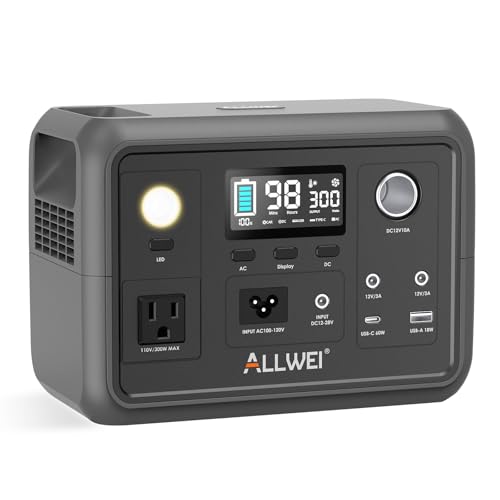
【Reliable Power for Every Scenario】This portable power station packs a 256Wh Capacity, delivering 300W continuous power and 600W peak surge (pure sine wave) to run your essentials seamlessly. As a versatile power station, it’s perfect for road trips (portable generator for camping), home emergency backup (portable generators for home use), and outdoor adventures—powering laptops, mini fridges, CPAP machines, drones, and more without damaging sensitive devices
How LiFePO4 Compares to Other Common Battery Chemistries
LiFePO4 batteries generally deliver 90 to 160 Wh per kilogram, which is lower than NMC’s 150 to 250 Wh per kilogram but significantly higher than lead-acid’s 30 to 50 Wh per kilogram. This means LiFePO4 provides a better power-to-weight ratio than lead-acid, making it suitable for applications where weight matters. However, its energy density is somewhat less than NMC, so if maximizing space or weight savings is a priority, NMC may be preferable.
In terms of lifespan, LiFePO4 can cycle between 2,000 to 5,000 times, outperforming NMC’s 500 to 2,000 cycles and lead-acid’s 300 to 1,000 cycles. This makes LiFePO4 particularly advantageous for long-term energy storage systems that require many charge-discharge cycles. Its high cycle life results in lower replacement costs over time.
Charging efficiency is another key advantage. LiFePO4 achieves 98 to 99 percent efficiency, significantly higher than lead-acid’s 70 to 85 percent. That means less energy is lost during charging, saving you money and making your system more reliable. This efficiency, combined with its long cycle life, translates into superior lifecycle value despite a higher initial cost.
Manufacturing processes for LiFePO4 are less energy-intensive than some other chemistries, reducing environmental impact. Additionally, recycling is simpler because of its stable, non-toxic chemistry, further supporting its appeal for stationary applications where sustainability matters.
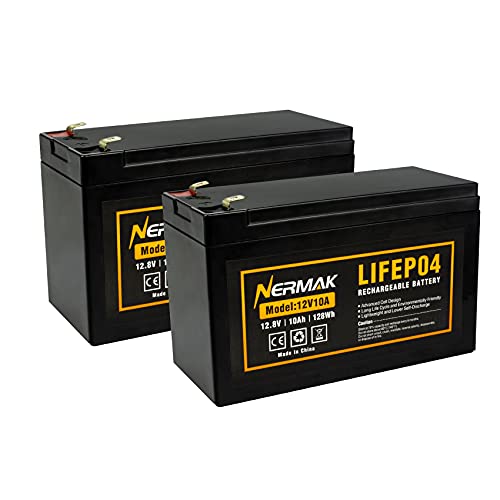
【Superior Performance】: Lithium iron phosphate battery has high energy density, Long cycle life, Good safety performance, No memory effect, etc. NERMAK LiFePO4 battery has built-in BMS protection to prevent overcharge, Over-discharge, Over-current and short circuit, and excessive low self-discharge rate ensuring up to 1-year maintenance-free storage.

【Superior Performance】: Lithium iron phosphate battery has high energy density, Long cycle life, Good safety performance, No memory effect, etc. NERMAK LiFePO4 battery has built-in BMS protection to prevent overcharge, Over-discharge, Over-current and short circuit, and very low self-discharge rate. (Not motorcycle starter battery)

【Excellent Performance】: Sefepoder LiFePO4 batteries are made of high quality cells with high energy density, Long cycle life, Good safety performance, no memory effect, etc. The batteries are only 1/3 of the weight of lead-acid batteries of the same capacity!More safety and environmentally friendly than lead-acid batteries.
What to Look for When Buying a LiFePO4 Battery
When buying a LiFePO4 battery, it’s crucial to evaluate several technical parameters to ensure you select the right one for your needs. First, match the battery’s capacity to your load profile by focusing on watt-hours instead of just amp-hours, because watt-hours indicate the actual stored energy your system can use. Verify the capacity rating conditions, such as 0.2C or 1C discharge rates, since the actual usable energy depends heavily on these rates.
Compare cycle life figures only if the test conditions are similar, paying attention to the depth of discharge and C-rate, rather than relying on vague “long-life” claims. Confirm that the battery’s built-in Battery Management System (BMS) provides protection against overcharge, overdischarge, and temperature extremes, and check that its continuous and peak current limits meet your system’s requirements.
Demand detailed information about the cell chemistry, including whether the cells are prismatic or cylindrical, and ensure the package includes a traceable manufacturer and third-party certification for quality and safety. Additionally, review the operating temperature range suited to your environment and examine the warranty details carefully to verify the battery’s suitability for your application.

【Perfect Replacement for Lead-acid Batteries】CHITOLI 12V 100Ah Group 24 Lithium Iron Phosphate Battery is the perfect choice for lead-acid battery conversion and upgrading, the weight of our battery is only 22.57lbs, they are 35% smaller and 60% lighter than ordinary lead-acid batteries, and the energy density has been increased by 3-5 times. 【Note】This battery is suitable for energy storage rather than start-up.
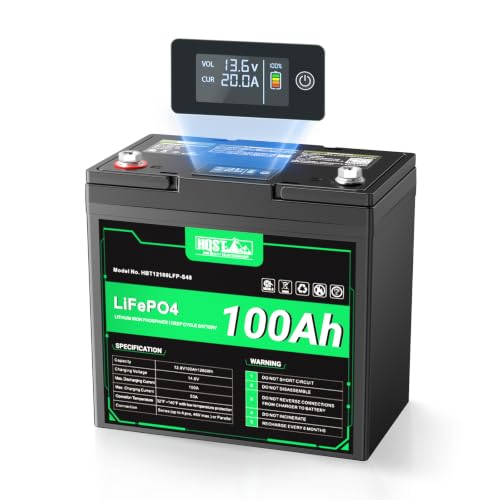
【10-Year Longevity】With 4000+ deep cycles from premium A-grade LiFePO4 cells, this 12V 100Ah Lithium battery lasts 6x longer than lead-acid. Comes with a reassuring 10-year commitment to both product quality and service life. A perfect option to replace lead-acid batteries and enjoy extended durability
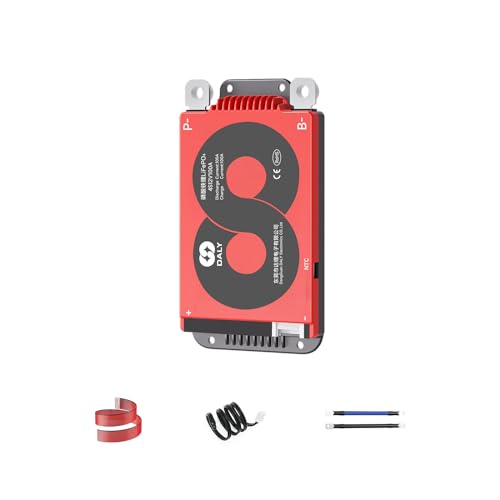
【DALY BMS】Adopt injection molding sealing process, with dustproof, shockproof, waterproof, anti-accumulation function
How to Charge and Store LiFePO4 Batteries
When charging a LiFePO4 battery, set your charger to a bulk or absorption voltage between 14.2V and 14.6V for a 12V pack. A common default is 14.4V, which typically achieves about 90% to 95% of full capacity without stressing the cells. Disable float charging or set it to around 13.5V–13.6V, as LiFePO4 batteries do not require float maintenance. Never use equalization modes, because they are incompatible with LiFePO4 chemistry and can compromise battery safety. This efficiency is possible because solar panels convert sunlight into direct current electricity that can be used to charge the battery.
For optimal charging efficiency, choose a lithium-specific profile on your charger. Avoid repeatedly charging the battery to full capacity, as it can shorten cycle life. If you need to store the battery long-term, aim for a state of charge between 40% and 60%, which corresponds to a voltage range of approximately 12.8V to 13.2V. Store the battery in a cool, stable environment at temperatures between 10°C and 25°C to prevent accelerated degradation caused by heat or extreme cold.
Periodically check the voltage during storage, and top off the battery only just before use to ensure it remains within the ideal state of charge. Following these guidelines helps preserve the battery’s cycle life and keeps it operating safely over time.
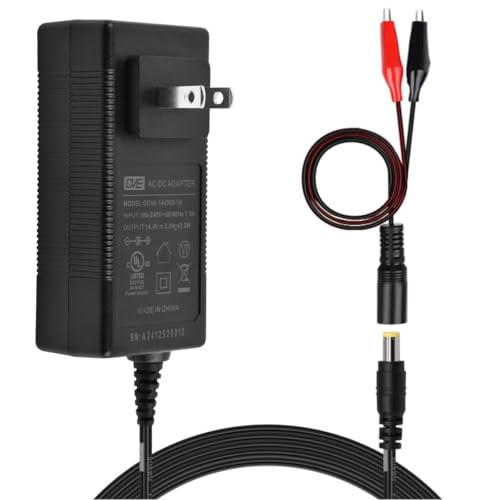
5.5 x 2.1 mm plug. UL/FCC/CE/RoHS approved. Please note: Only use for 12V LiFePO4 Battery, 4S 9V-14.6V Rechargeable Lithium Iron Phosphate Battery Pack. It can't charge for 3S 12V rechargeable li-ion battery pack.
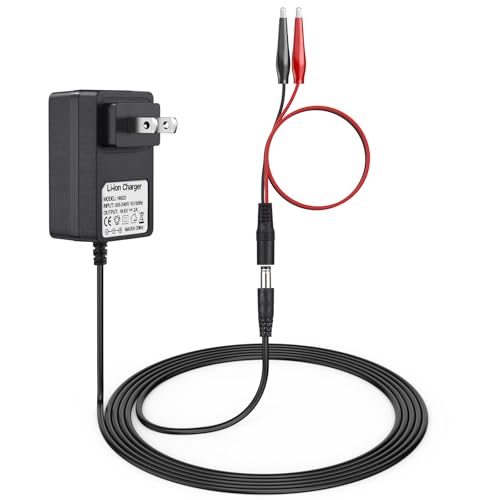
Compatible with TalentCell 12V series LiFePO4 batteries, including model LF120A1 / LF4011 / LF4021 / LF4100 / LF4040, 4s 9v-14.6v rechargeable lithium iron phosphate battery pack and 12V sealed lead acid (SLA) batteries

Smart Charging:Ultrapower smart battery charger is designed for charging 14.6 Volt LiFePO4 batteries.built in intelligent charging management unit,fully automatic charging and CUT-OFF,detects the battery status and effectively activate "0"V battery.safely wake up BMS-protected battery
Do LiFePO4 Batteries Work in Cold Weather?
LiFePO4 batteries can discharge in cold weather, but their performance drops significantly as temperatures fall. At 0°C, you might see a minor capacity loss of around 2–5% in well-designed packs. Drop the temperature to -10°C, and that loss can increase to 15–45%. At -20°C, capacity reduction can reach 20–50% or more, and internal resistance rises, causing voltage sag and reducing usable power. Charging, however, becomes a much greater challenge. Standard LiFePO4 batteries should not be charged below 0°C because this can cause lithium plating, damaging the cells and creating safety risks. Most battery management systems automatically block charging under freezing conditions. Selecting the right fuses for your disconnect switch ensures safe operation and protects against overloads in cold-weather setups. To operate reliably in cold weather, you need thermal management solutions such as insulation or heating systems. Remember that capacity loss is reversible once temperatures rise again, but you must size your system to handle winter’s worst-case conditions instead of summer’s best. For example, you should check your breaker box to ensure the circuit is properly rated for the battery’s load. For portable outdoor power solutions, consider top portable power inverters that include built-in thermal management to maintain performance in freezing temperatures.