


If you’re wondering whether to go with a breaker box or a fuse box, safety and convenience are key factors.
Breaker boxes are more modern, offering easier reset options and added protection features.
While fuse boxes are older and require replacement parts.
Understanding the differences can help you choose the right setup for your home’s needs.
Details follow to help you make the best decision.
Breaker Box vs. Fuse Box: What’s the Core Difference?
The core difference between a breaker box and a fuse box is in their physical operating mechanisms. A fuse box uses sacrificial metal elements that melt when overheated or overloaded, thereby breaking the circuit. Conversely, a breaker box employs electromechanical switches that trip when they detect a fault, disconnecting the circuit but remaining capable of being reset manually. Understanding this principle is similar to knowing why negative battery cables come off first to prevent dangerous sparks.
Matching each circuit’s current capacity to the correct rating—either fuse or breaker—is essential. A blown fuse needs to be replaced since it physically melts and cannot be reused. In comparison, a tripped breaker can simply be reset, allowing it to resume operation without replacing any parts. The reusable nature of breakers offers more consistent voltage stability because they do not degrade after each trip. When choosing a panel, it can be helpful to compare the top battery picks for understanding quality and performance standards in related electrical components. Buyers should evaluate amperage ratings to ensure each fuse or breaker matches its circuit’s load capacity.
When choosing your panel, consider whether you prefer a permanent switching system or a consumable protection device. Breaker boxes are generally preferred for long-term stability and ease of maintenance because they can be reset as needed, unlike fuse boxes that require replacement after each overload.
How Each System Stops Electrical Overloads Safely
Both breaker boxes and fuse boxes stop overloads by opening the circuit, but they do so through different mechanisms. Each system relies on precise overload detection to prevent wire insulation from overheating. A breaker uses a switch mechanism that senses excess current and trips automatically, mechanically opening the circuit. This safety feature allows you to reset the breaker after fixing the overload. In contrast, a fuse contains a metal link that heats and melts permanently when the current exceeds its rated capacity. This creates a fast, definitive interruption that cannot be reset without replacing the fuse. A breaker box functions as the central distribution point for household electricity, routing power through individual circuits. Using a multimeter to test voltage at the breaker can confirm whether a tripped breaker has failed and needs replacement.
Correct sizing of each device is crucial; an oversized breaker or fuse may fail to detect dangerous overloads, increasing fire risk. Signs such as flickering lights or warm covers indicate circuits under stress and should be evaluated. Properly rated devices provide reliable protection, ensuring overcurrent conditions are safely interrupted before damage occurs.
Resetting vs. Replacing: Which Is Easier?
Resetting a circuit breaker is significantly easier than replacing a blown fuse. Resetting involves simply locating the breaker, flipping the switch back to the “ON” position after it has tripped, which typically takes only a few seconds. In contrast, replacing a blown fuse requires removing the faulty unit, ensuring the new fuse has the exact amperage rating, and installing it carefully. This process adds extra steps, raises the chance of user error, and results in ongoing material costs.
Safety is another consideration. Resetting a breaker usually only requires turning off appliances and turning the breaker off and on again—no special tools or handling of fragile parts. Replacing a fuse, on the other hand, involves isolating power, handling small, delicate components, and sometimes dealing with screw-type or insert fuses that can complicate the process. Overall, for routine power restoration, resetting a breaker is unquestionably quicker, simpler, and safer.
Why Modern Homes Almost Always Use Breaker Panels
Breaker panels are the standard in almost all modern homes because they meet current electrical codes and provide enhanced safety. These codes require automatic circuit breaker distribution for dwelling branch circuits, ensuring each circuit can trip instantly if overloaded or short-circuited. Unlike fuse systems, circuit breakers can trip automatically and be reset, minimizing downtime and reducing the risk of fires caused by improper over-fusing. Modern household loads demand higher service capacities, typically between 100 and 200 amperes, which surpasses the 60-amp fuse boxes commonly used in older homes. Additionally, breaker panels support essential safety features like AFCI and GFCI protection, which are difficult to incorporate into fuse panels due to their design. When selecting a new panel, homeowners should refer to a guide to choosing the best circuit breaker box for their specific needs. They also offer better aesthetic integration, installing flush on non-flammable surfaces with accessible clearances. Proper labeling and reserved spaces within the panel simplify future upgrades and ensure consistent compliance with electrical standards. Overall, breaker panels provide a practical, safe, and code-compliant solution for modern residential electrical systems. A generator interlock kit allows homeowners to safely connect a portable generator to the breaker panel, preventing backfeed that could endanger utility workers.
5 Signs Your Fuse Box Needs Upgrading
Frequent blown fuses, tripped circuits, or breaker trips indicate your fuse box is no longer capable of handling modern electrical loads. If these issues happen regularly, it suggests your system is overloaded or outdated, making it a clear sign that your fuse box needs upgrading.
Signs of overheating, such as a burning smell, scorch marks, or excessive heat around the box, demand immediate attention. These symptoms point to dangerous conditions like wiring faults or loose connections that could lead to fire hazards.
Unusual sounds such as buzzing, crackling, or humming from the fuse box are signs of arcing or loose connections—both serious safety concerns. These noises often precede electrical failures or fires and should never be ignored.
If your lights flicker, outlets dim sporadically, or you experience unstable power in certain areas, it can mean your fuse box lacks sufficient capacity or has faulty circuits. These issues compromise safety and convenience, indicating your system can’t keep up with your home’s demands.
Finally, visible signs like rust, damage, missing components, or outdated RCD protection mean your fuse box is no longer compliant with current safety regulations. An old rewirable fuse, cracked terminals, or corroded parts suggest it’s time for a professional upgrade to ensure your home remains safe and up to code.

Product List: You will receive a ground bar kit, two long flathead screws, two pointed screws, and ten short screws to help you meet your distribution panel grounding needs.

Compact Retrofit Design: Drop this LED light engine into your existing housing - 5.82" PCB, 6.73" overall, so measure your fixture first. Rated for damp locations like bathrooms, it fits ceiling flush, fan, pendant, lantern and porch fixtures
Cost of Switching From Fuse Box to Breaker Panel
The total cost for switching from a fuse box to a breaker panel typically ranges from $1,500 to $4,500 or more, depending on several factors. If you are only replacing the panel without changing your service capacity, expect costs to stay near the lower end of that range. However, if your wiring condition requires partial rewiring, labor costs can significantly increase, sometimes pushing the total above $4,500. Permits and inspection fees are also essential and contribute to the overall cost, so do not skip these regulatory steps. When selecting a breaker panel, investing in a durable, high-quality brand can ensure reliability over decades, making it a worthwhile expense. A breaker panel provides easier resetting after a trip compared to replacing fuses. When upgrading your electrical system, also consider that modern solar installations commonly use MC4 connectors for safe and efficient panel connections. Proper torque values for terminal connections are critical for safety and compliance, similar to the torque and connection tips used in automatic transfer switch wiring. Planning a realistic budget based on your home’s specific needs will help you avoid surprises and ensure a safe, compliant upgrade.

OUTDOOR-READY POWER DISTRIBUTION – The ABB PowerMark Gold 125A main breaker load center is built for outdoor use with a weather-resistant galvanized steel NEMA 3R enclosure. Designed for safe, durable operation as a service entrance panel.

For use converting a Main Lug load center to a Main Breaker

Complete 48-Circuit Coverage – Directory sheet, numbered tabs (1–48) with blanks, round number dots, panel/position markers, ON/OFF & safety labels plus a microfiber cleaning cloth.
Should You Upgrade Before Renovating?
Yes, the panel upgrade should occur before renovation begins if your project adds new circuits or appliances. Before upgrading, conduct a load calculation to ensure the panel can handle the increased demand. An under 100-amp panel is a typical candidate for an upgrade, especially for major kitchen remodels, additions, or installing electric vehicle chargers. These projects often exceed the existing panel’s capacity and may require permits. Upgrading early helps avoid reopening finished walls later and makes future work easier. Proper color coding and circuit labeling are necessary to meet current code standards. When installing new circuits, AFCI protection and grounding corrections are often required and are simpler to address before rough-in. For high-demand setups, ensuring busbar ampacity ratings match your new load prevents overheating and future failures. Signs your panel needs an upgrade include frequent breaker trips, flickering lights, or no open slots. Don’t wait until construction begins; coordinate with your electrician beforehand to prevent scheduling delays and avoid unnecessary red tape. If you are also adding a high-wattage water heater, you must verify that the breaker size and wire gauge are correctly matched to the appliance’s amperage to prevent overheating and fire hazards.

Includes a surface mount indoor cover

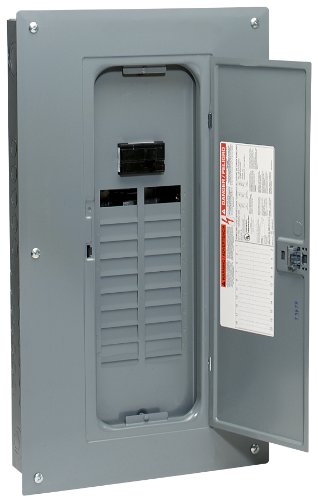
Square D QO 100 Amp 6-Space 12-Circuit Indoor Main Lug Load Center QO612L100FCP

Includes a surface mount indoor cover with door and PK7GTA Ground bar kit is sold separately
When Keeping a Fuse Box Might Be Okay (and When It’s Not)
You can keep a fuse box only if an electrician confirms its condition is sound and your electrical load remains modest. While an old fuse box isn’t automatically unsafe, it lacks modern safety features like residual current devices (RCD), ground-fault circuit interrupters (GFCI), and arc-fault circuit interrupters (AFCI), which are vital for preventing shocks and fires today. Regular inspection for corrosion, loose connections, or scorch marks is essential. If you notice repeatedly blown fuses, a burning smell, or physical deterioration, replacement becomes urgent. It’s not advisable to retain a fuse box lacking these modern protections, especially if you add high-demand equipment or the system fails inspection. For generator connections, a best interlock kit provides a safer, code-compliant alternative to outdated fuse box adapters. Using a multimeter with battery testing can help verify if your fuse box’s circuits are carrying proper voltage and prevent unsafe conditions. Continuing to use an outdated fuse box without proper upgrade or compliance poses significant safety risks. Upgrading to a modern breaker box is like switching from outdated panels to high-efficiency solar models that dramatically improve energy capture and system performance.

Wide Application:Durable industrial materials suit both for indoor use in a variety of dangerous power tools, such as saws, drills, air compressors, lathes, lawn equipment, cutting machine, pool Pump,Power Pressure Washer,Air Conditioner,Hair Dryer etc

Square D QO Qwik-Gard 20 Amp single-pole GFCI circuit breaker

✅【Always Safe】GFCI features surge protection and lightning protection function with standing 6 kilovolts. Performed 3000+ times factory tests, which is the testing times of UL standard.
How to Decide Based on Your Home’s Age and Electrical Needs
Compare your home’s amperage to your current and future needs. Homes under 3,000 square feet without central air typically require at least 100 amps. Larger homes with high-powered appliances often need 200 amps to handle increased electrical loads safely. If you’re planning renovations or adding new circuits, installing a breaker panel that meets code is the best choice. Fuse boxes are only suitable if you’re maintaining an unchanged, low-demand system and have no plans for upgrades. A buzzing breaker box can indicate loose connections or overloaded circuits that a modern breaker panel is better equipped to handle safely. Your home’s age, existing capacity, and anticipated electrical demands will determine whether an upgrade is necessary.

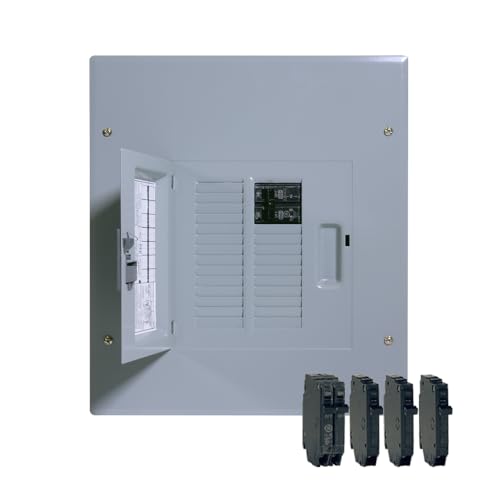
COMPACT RESIDENTIAL LOAD CENTER – This ABB PowerMark Gold indoor panel features 12 spaces and supports up to 22 circuits, making it ideal for residential power distribution where compact size and basic capacity meet everyday electrical needs.
Returns will not be honored on this closeout item