


Knowing how to safely remove a breaker from your breaker box can save you time and prevent accidents. It’s a process that requires caution, proper tools, and attention to safety steps.
By the end of this guide, you’ll understand the key precautions and techniques to do it correctly and safely.
Keep reading for all the details you need before attempting this task.
Why Safety Gear Matters Before Breaker Removal
Before removing a breaker, you must wear the correct personal protective equipment (PPE) because arc-flash hazards can cause severe burns, flying debris, and pressure waves. Start with a thorough hazard assessment—don’t rely on a generic PPE set. You need arc-rated clothing that matches the incident energy level, along with a face shield or arc-rated hood to protect against thermal risks and flying fragments. Insulated gloves with leather protectors shield your hands from shocks and abrasions. Hearing protection is essential because arc-flash pressure waves can damage your hearing even if other risks are controlled. Hard hats safeguard your head from impacts, while safety glasses protect your eyes from molten metal splatter. Each layer of PPE should be selected based on a specific hazard assessment; guessing or skipping it increases your risk of injury. Putting on inadequate gear is like betting against an arc-flash—you can’t win if you’re unprepared. For comparison, choosing safety gear without proper evaluation is like selecting top battery picks without checking their quality, performance, and value for your specific needs. Similarly, just as terminal blocks for DIN rail are compared for reliable connections and safety features, your PPE must be chosen to match the specific electrical risks present. Choosing the right grounding conductor is similar, as bare copper wire must be evaluated for conductivity and corrosion resistance to ensure a safe path to ground.

FR ARC RATED SAFETY SHIRT- Oberon Flame Resistant and Arc Rated Button Up Shirt for men is designed to keep electrical workers in utilities, manufacturing, and oil and gas safe whether they're on site or in the office
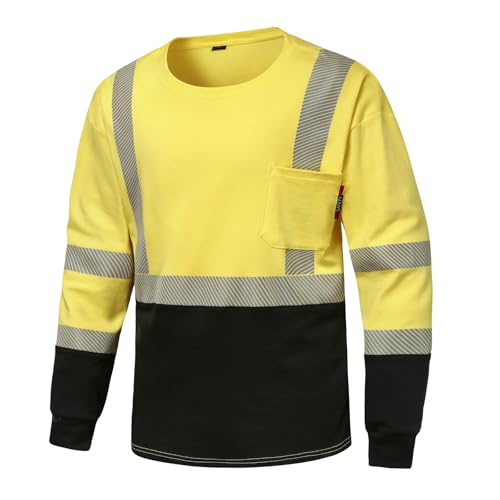
Premium 6 oz FR Cotton Fabric: This FR shirts Crafted with a high visibility twill reflective stripe design and is knit from 6 oz. of 100% fire resistant cotton to ensure breathability and durability while meeting strict safety standards.

FR/ARC RATED SAFETY VEST - Oberon Hi Vis Flame Resistant and Arc-Rated vest is designed for utility workers and safety responders
How to Shut Off Power and Remove the Panel Cover Safely
To shut off power safely before removing the panel cover, start by switching off the circuit breaker for the specific circuit you plan to work on. Next, turn off the main breaker to de-energize the panel’s internal components. However, keep in mind that incoming service conductors and parts on the line side of the panel remain live; treat all energized parts as if they are still energized. When working with subpanels, ensure you shut off the upstream feeder breaker first. Always verify that the panel is de-energized using a voltage tester at multiple points—labels alone can be unreliable. When removing a battery from a vehicle, the same principle applies: disconnecting the negative first reduces the risk of accidental short circuits. For a secure grip during assembly, securing cable ties tightly around bundled wires can prevent them from contacting live terminals. Remove the dead front screws carefully, holding the panel cover as the last screws are removed. Pull the cover straight outward, avoiding contact with bus bars or lugs to prevent accidental shocks. Make sure the panel surface is dry and free of debris before proceeding. Use only insulated tools to minimize the risk of electrical shock. Remember that your panel’s specifications dictate the orientation of the cover, and breaker types vary, so stay attentive. Never attempt to open or work inside the panel if you are unsure about voltage status or whether the feed is energized, as this can be dangerous. A power inverter can convert stored DC energy from a battery into AC power, but you must still treat the panel’s live line-side components with caution.
Step-by-Step: Remove the Wire and Unsnap the Breaker From the Bus
To remove the breaker from the panel, start by loosening the terminal screw on the breaker just enough to release the load wire—don’t remove the screw entirely. Pull the wire straight out and secure its exposed end with a wire nut or tape for safety. Withdraw the wire completely to prevent snagging during removal. If you’re working with a 240-volt breaker or a GFCI/AFCI type, also disconnect any neutral pigtail from the neutral bus. Use a wire stripper to properly prepare any wire ends if needed, ensuring controlled pressure is applied to avoid nicking the conductor. Regular maintenance of electrical components, much like proper charging habits for AGM batteries, can prevent premature failure and extend service life.
Next, grip the breaker firmly and gently rock it away from the panel’s center, pulling the outer edge outward first to disengage the retaining clip. Use controlled pressure; the breaker should tilt slightly and release. Once the clip clears the bus, lift the breaker straight out, following the style—standard plug-in breakers unclip easily, while bolt-on types require different handling. Throughout the process, ensure the wire stays clear to avoid accidental damage or interference. This careful handling is similar to how a failing battery isolator can cause system disruptions if its internal connections or switching components become compromised.

Chain Tool Bicycle Set: The bicycle chain repair set contains a bike chain tool, link pliers and a chain checker. Ideal for bicycle repairs, it offers everything you need to repair or replace a bicycle chain.

Our comprehensive bike chain repair kit includes essential tools for repairing bike chains at home or on the go. The kit features bike link pliers, a chain wear indicator and checker, and a chain breaker splitter tool.

Handy, Durable and Well Made --- Metal frame with grip coated by rubber for comfortable and anti-slip handling
Watch for Live Bus Bars, Stuck Breakers, and Signs of Damage
Always assume bus bars are live until verified shut down. They remain energized even with individual breakers off, posing a severe shock risk. Live bus bars energize adjacent breaker stabs and interior metal, so never rely solely on a breaker’s handle position for safety. Since the bus contains multiple live phases, multiple live phases create a shock risk even without lethal voltage.
If a breaker resists removal, don’t force it. Stuck breakers often result from corrosion, heat damage, or aging plastic. Prying can crack the bus connection or panel enclosure, increasing arc-flash danger. Instead, gently rock the breaker side-to-side while pulling. If it won’t release, stop immediately.
Look out for burnt odors, buzzing sounds, or discolored plastic around the breaker. These are signs of internal overheating or arcing. Soot, melted handles, or rust inside the panel indicate internal damage. Any visible damage must be considered a serious hazard and requires professional evaluation before proceeding.

♔【Compatibility】The demolition blasting pen can be used for most of phone glass battery back cover case to remove. Can also be used to crack your windshield or car window in case of an emergency. Compatible with iPhone 12, iPhone 12 Mini, iPhone 12 Pro, iPhone 12 Pro Max, iPhone 11, iPhone 11 Pro, iPhone 11 Pro Max, Samsung S21, Samsung S21 Ultra, Samsung S21 Plus, Samsung S21, Samsung S20 Plus, Samsung S20 Ultra. Also compatible with Xiaomi Mi 11, Xiaomi Mi 11 Ultra, Xiaomi Redmi Note 9S, etc.

Designed to provide access and leverage to hard to reach pulleys

Complete Chain Repair Kit with Storage Pouch: Comes with chain breaker, 2-in-1 master link pliers, precision wear checker, and 4 reusable missing links for comprehensive bicycle chain maintenance
When to Stop DIY Breaker Removal and Call a Licensed Electrician
If a breaker trips repeatedly after you reset it or won’t stay reset at all, stop DIY removal immediately and call a licensed electrician. This behavior indicates a short circuit or ground fault that your multimeter can’t safely diagnose. Continuing to work under these conditions exposes you to serious electrical hazards, including arc flash or shock from an energized bus bar.
If you notice heat, a burning smell, or buzzing sounds near the panel, you are in dangerous territory. These symptoms suggest overheating connections or failing components and require instant attention. Similarly, flickering lights or a loss of power across multiple circuits point to a system-level fault rather than a single breaker problem. Do not ignore these warnings; attempting to troubleshoot further without proper training can be life-threatening. Leave complex diagnostics and energized work to licensed electricians equipped for such tasks.