

You’re tackling a grounding job, and the right bare copper wire makes all the difference between a safe system and a code violation. But with gauges ranging from beefy 4 to flexible 18, plus solid versus stranded options, picking the perfect match isn’t obvious. Let’s break down six top performers that handle everything from heavy duty to electronics.
| Southwire 6-Gauge Bare Copper Grounding Wire (100ft) | 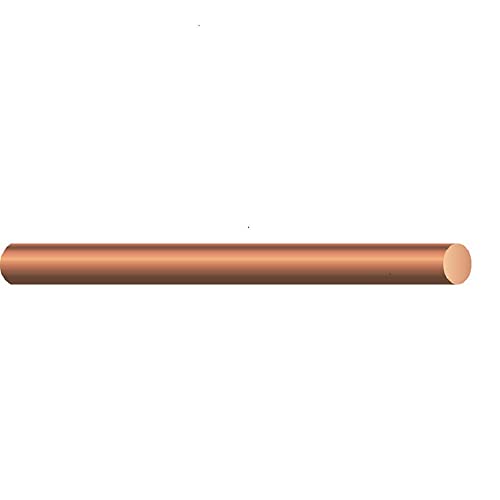 | Best Overall | Wire Gauge: 6-Gauge | Length: 100 feet | Material: 99.999% pure copper | VIEW LATEST PRICE | Read Our Analysis |
| PATIKIL 18 Gauge Bare Copper Ground Wire 15 Feet |  | Budget-Friendly | Wire Gauge: 18-Gauge | Length: 15 feet | Material: Pure copper | VIEW LATEST PRICE | Read Our Analysis |
| PATIKIL Bare Copper Ground Wire 18 Gauge 50ft |  | Best Length | Wire Gauge: 18-Gauge | Length: 50 feet | Material: Pure copper | VIEW LATEST PRICE | Read Our Analysis |
| Southwire 8-Gauge Bare Copper Grounding Wire (25ft) | 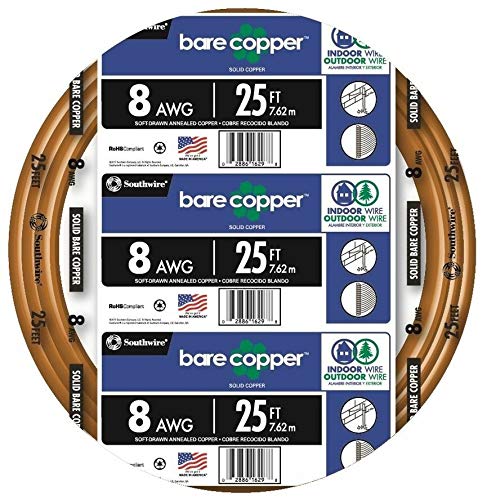 | Compact Choice | Wire Gauge: 8-Gauge | Length: 25 feet | Material: High-quality copper | VIEW LATEST PRICE | Read Our Analysis |
| Southwire 4-Gauge Bare Copper Grounding Wire 15ft |  | Heavy Duty | Wire Gauge: 4-Gauge | Length: 15 feet | Material: Solid copper | VIEW LATEST PRICE | Read Our Analysis |
| Southwire 8-Gauge Bare Copper Grounding Wire 50ft |  | Most Popular | Wire Gauge: 8-Gauge | Length: 50 feet | Material: High-quality copper | VIEW LATEST PRICE | Read Our Analysis |
More Details on Our Top Picks
Southwire 6-Gauge Bare Copper Grounding Wire (100ft)
Why settle for less when it comes to grounding? You’re wiring a system that deserves the best, and Southwire’s 6-gauge bare copper wire delivers. It’s 99.999% pure copper, solid and soft-drawn, so you get top-tier conductivity without extra fuss. At 100 feet, this single-strand length handles residential grounding before your service enters the home. Rated for 600 volts, it also works for uninsulated hook-ups and jumpers. Customers rate it 4.8 stars from 178 reviews. That’s reliability you can count on, plain and simple. Your electrical job stays safe and solid.
- Wire Gauge:6-Gauge
- Length:100 feet
- Material:99.999% pure copper
- Conductor Type:Solid, single-strand
- Voltage Rating:600 volts
- Tensile Strength:Not specified
- Additional Feature:99.999% pure copper
- Additional Feature:Solid soft-drawn temper
- Additional Feature:Rated at 600 volts
PATIKIL 18 Gauge Bare Copper Ground Wire 15 Feet
For a budget-friendly grounding solution that doesn’t skimp on flexibility, the PATIKIL 18 Gauge Bare Copper Ground Wire is your best bet. You get 15 feet of pure copper braided strands, giving you easy bending and twisting without losing strength. Its 340 MPa tensile means it holds up overhead or in lighting fixtures and electronic projects.
Here’s what you’ll appreciate:
- Diameter: 1.2 mm, slim enough for tight spaces
- Conductivity: Superior, so grounding stays effective
- Installation: Connect via electric welding
Rated 4.5 stars from 89 users, it’s a reliable choice for residential grounding or DIY wiring. Just note, appearance may vary slightly due to lighting. But for the price and flexibility, you can’t beat it.
- Wire Gauge:18-Gauge
- Length:15 feet
- Material:Pure copper
- Conductor Type:Stranded, braided
- Voltage Rating:Not specified
- Tensile Strength:340 MPa
- Additional Feature:Solid braided copper wire
- Additional Feature:High tensile strength (340 MPa)
- Additional Feature:Round rod shape
PATIKIL Bare Copper Ground Wire 18 Gauge 50ft
PATIKIL’s 18-gauge bare copper wire hits a sweet spot in length. With fifty feet of durable pure copper, you get enough for substantial grounding jobs without buying a giant spool you’ll never finish. Its solid braided strands offer high tensile strength at 300 MPa, so this wire bends easily yet stays tough. You can twist it around lighting fixtures, connect it to electric fences, or ground your electronics. And because it’s unfinished bronze, it blends right in. Need reliable performance? This wire delivers good conductivity for residential, commercial, or DIY projects. It’s versatile enough for overhead use, too.
- Wire Gauge:18-Gauge
- Length:50 feet
- Material:Pure copper
- Conductor Type:Stranded, braided
- Voltage Rating:Not specified
- Tensile Strength:300 MPa
- Additional Feature:High tensile strength (300 MPa)
- Additional Feature:Solid braided strands
- Additional Feature:Unfinished bronze color
Southwire 8-Gauge Bare Copper Grounding Wire (25ft)
If you need a straightforward, reliable wire for residential grounding, this is the compact choice for the job. Southwire’s 8-gauge, solid, soft-drawn copper conductor is uninsulated, making it perfect for direct hookups and jumpers. It’s rated for 600 volts, so it handles serious electrical work without fuss. You get 25 feet of durable, flexible copper that’s easy to bend and route. Customers love it, rating it 4.8 out of 5 stars from over 650 reviews. And with that solid 0.13-inch diameter, you’re getting a dependable ground for your system. Simple, effective, and ready to go.
- Wire Gauge:8-Gauge
- Length:25 feet
- Material:High-quality copper
- Conductor Type:Solid, single-strand
- Voltage Rating:600 volts
- Tensile Strength:Not specified
- Additional Feature:Wire diameter 0.13 inches
- Additional Feature:Soft-drawn uninsulated conductor
- Additional Feature:Single copper strand
Southwire 4-Gauge Bare Copper Grounding Wire 15ft
Southwire’s 4-gauge bare copper grounding wire is your heavy duty solution for residential electrical work. You’re getting 15 feet of solid, soft-drawn copper that’s uninsulated and tough. It’ll handle grounding systems, hook-ups, and jumpers before the electricity enters your home. And with a solid 4.7 out of 5 stars from about 162 reviews, you know it’s reliable. Model number 10644385, UPC 032886892103. This single strand wire delivers excellent conductivity and durability. Just unspool it, cut to length, and connect it where you need it. It’s that straightforward for your grounding setup.
- Wire Gauge:4-Gauge
- Length:15 feet
- Material:Solid copper
- Conductor Type:Solid, single-strand
- Voltage Rating:Not specified
- Tensile Strength:Not specified
- Additional Feature:Solid soft-drawn copper
- Additional Feature:Single strand construction
- Additional Feature:Uninsulated bare conductor
Southwire 8-Gauge Bare Copper Grounding Wire 50ft
For grounding that simply works, you need a solid, no-nonsense solution. Southwire’s 8-gauge bare copper wire, at 50 feet, delivers exactly that. It’s a single, soft-drawn strand, uninsulated and rated for 600 volts, making it perfect for residential grounding paths before your panel. You’ll appreciate its flexibility; bending it around corners or into tight spaces won’t be a fight.
- Specs: 0.13-inch diameter, solid copper.
- Use it for: Hook-ups, jumpers, and direct grounding connections.
- Why you’ll trust it: A 4.8-star rating from over 650 buyers says it all.
It’s a straightforward, reliable roll that handles the dirty work without fuss. Grab it, and you’re set.
- Wire Gauge:8-Gauge
- Length:50 feet
- Material:High-quality copper
- Conductor Type:Solid, single-strand
- Voltage Rating:600 volts
- Tensile Strength:Not specified
- Additional Feature:Wire diameter 0.13 inches
- Additional Feature:Soft-drawn copper construction
- Additional Feature:Single copper strand
Factors to Consider When Choosing Bare Copper Wire for Grounding

When you’re picking bare copper wire for grounding, you’ll need to think about gauge size and length first, bigger numbers mean thinner wire and shorter runs work best. Copper purity levels matter a lot, so look for 99.9% pure copper to avoid corrosion and guarantee solid conductivity. Also, decide between solid or stranded wire based on your flexibility needs, check the voltage rating, and don’t overlook durability for long term performance.
Gauge Size & Length
Two factors dominate your decision when picking bare copper wire for grounding: gauge size and length. Gauge size directly controls current carrying capacity. Lower numbers mean thicker wire, perfect for heavy duty grounding tasks like connecting a main panel. Conversely, thinner gauges, like 18 or 20, handle lighter electronic jobs. Don’t skimp here; a 4 or 6 gauge wire handles high currents without overheating. Now, length matters just as much. Longer wires increase resistance, which can undermine safety and cause voltage drops. You want enough length to reach your ground rod cleanly without excessive slack that creates clutter. Measure your run precisely. Aim for the shortest practical route to minimize resistance and keep your system safe. Get both gauge and length right, and you’re set for compliance and solid performance.
Copper Purity Levels
One factor that often gets overlooked is copper purity, and it’s a big deal for grounding performance. You want high-purity copper, ideally 99.999%, for superior conductivity. Lower levels like 99.9% pack more impurities, which hike resistance and kill electrical efficiency. And yes, less pure stuff tends to corrode faster, messing with your ground’s long term reliability. Manufacturers list purity specs, so check them. For rock solid grounding, aim for the highest rating you can afford; you’ll get better flow and durability. Don’t cheap out on this, it’s the core of your system’s performance.
Solid vs. Stranded Wire
You’ve locked in on copper purity, so now let’s talk about the form that purity takes: solid versus stranded wire. Solid wire is a single thick conductor. It delivers lower resistance and higher current carrying capacity, so it’s your go to for fixed, permanent grounding connections where rigidity works in your favor. It resists splitting and stays put.
Stranded wire, by contrast, twists multiple smaller wires together. This gives you incredible flexibility for tight, complex installations. It handles repeated bending without breaking, making it perfect for applications where you’ll adjust or move the connection later.
Your choice balances conductivity, flexibility, and durability. Fixed location with high current? Go solid. Need to snake around obstacles or handle vibration? Stranded wins. Neither is wrong, just right for different jobs.
Voltage Rating Needs
Since you’ve settled on copper purity and the solid versus stranded debate, it’s time to factor in voltage rating needs. You’ve got to make certain your bare copper wire’s rating matches or exceeds your system’s maximum voltage. For most residential jobs, that’s 600 volts. Don’t skimp here. An inadequate rating invites electrical failure or safety hazards during grounding.
Check the product specs to verify the wire’s voltage capacity. Higher rated wires handle surges and fluctuations more reliably. Matching the rating ensures your grounding meets safety standards and keeps everything solid. You’re building a foundation, not guessing.
Here’s what to confirm:
- System voltage (typically 600V for homes).
- Wire’s listed voltage rating.
- That it exceeds, not just meets, the requirement.
Get this right, and you’re set for safe, code compliant grounding.
Flexibility & Durability
Because you’ll be bending, routing, and securing bare copper wire in tight spaces, flexibility matters just as much as durability. That’s where construction comes in. Braided strands or soft-drawn single strands bend easier, so you won’t fight the wire around corners. Soft-drawn copper is your go‑to for frequent twists, but remember gauge size matters too. Larger gauges are more pliable, yet they can be less durable under constant mechanical stress. High tensile strength boosts durability, helping the wire withstand pulls without deforming. And don’t overlook uninsulated designs they offer better flexibility but face more environmental wear. So weigh your needs: choose braided for tight bends, or solid soft‑drawn for balanced toughness. Thickness and stranding decide that sweet spot between easy routing and long‑term reliability.