
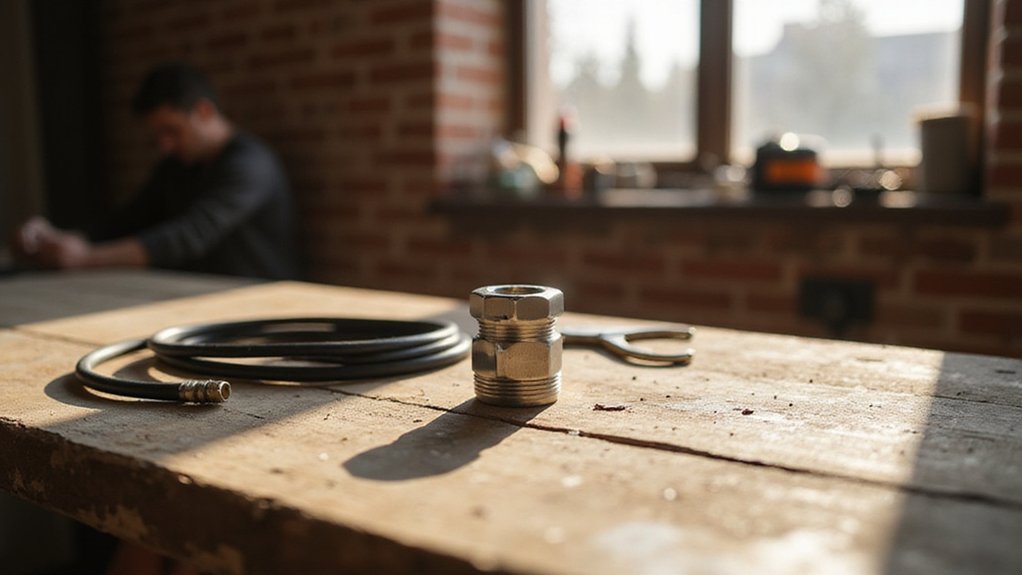

Ever wonder how to keep your cables safe and secure at their entry points? A cable gland is the simple yet vital component that seals, relieves strain, and holds your cables in place.
Choosing the right type involves considering factors like environment, material, and IP rating. These considerations help ensure your system stays protected from dust, water, and mechanical damage.
Below, you’ll find everything you need to know about cable glands.
What a Cable Gland Does: Sealing, Strain Relief, and Retention
Cable glands perform three essential functions—sealing, strain relief, and retention—that work together in a single component to protect enclosure integrity, internal connections, and the cable itself. Sealing is achieved by tightening a compression nut that compresses an elastomeric seal around the cable jacket, preventing dust, water, and other contaminants from entering. It is important to match the gland to the cable’s outer diameter to ensure a proper seal and avoid leaks. Just as battery terminals require a secure fit for reliable electrical connections, the cable gland must match the cable’s outer diameter to ensure a proper seal and avoid leaks. For solar panel installations, using MC4 connectors provides a standardized interface that simplifies secure outdoor wiring.
For effective strain relief, the gland grips the cable jacket firmly, distributing mechanical forces so they do not transfer to the electrical connections or terminations. This prevents damage caused by pulling or movement. Retention ensures the cable remains securely in place, reducing the risk of accidental pullout or disconnection during vibration or handling.
Proper installation is key. Always apply the correct torque when tightening the gland to avoid damaging the cable jacket or compromising the seal. Following these practices ensures the gland maintains enclosure integrity and stabilizes cable connections over time.

【Complete Cable Gland Kit – 25 Pieces】Includes 25 pieces in 5 popular sizes: PG7 (×7), PG9 (×5), PG11 (×5), PG13.5 (×4), PG16 (×4). Covers cable diameters from 3mm to 14mm – ideal for most electrical wiring projects.

Quantity: 6 PCS 3/4 NPT waterproof adjustable cable gland, black
Premium New Material: Our cable gland is crafted from high-grade, RoHS- and REACH-compliant new plastic. It withstands long-term use without cracking from UV exposure, stress, or harsh environments. This ensures you won’t worry about hidden damage or unexpected replacements, lowering your Total Cost of Ownership
The 4 Core Cable Gland Types: Armoured, Unarmoured, Metal, and Plastic
The four core cable gland types are distinguished by cable construction and material: armoured, unarmoured, metal, and plastic. For armoured cables, you need glands that clamp the metallic armour—such as steel wire or braid—providing mechanical retention and electrical continuity. Unarmoured glands, on the other hand, focus on sealing and strain relief for flexible, plastic-sheathed cables. These materials are often nylon or polyamide, chosen for their lightweight and corrosion-resistant properties.
When selecting a metal gland—such as brass, stainless steel, or aluminum—you gain durable mechanical performance and corrosion resistance suitable for demanding environments. Plastic glands, typically made of polyamide, offer lightweight, cost-effective solutions for unarmoured cables and often have IP68 ratings, making them suitable for outdoor or wet locations. Just like cables, these glands benefit from avoiding temperature extremes that accelerate material degradation. Following the same principle of safe disconnection, technicians always remove the negative battery cable first when working on batteries to prevent short circuits.
Key installation tips include matching the gland’s armour-clamping style to your cable type. Double-compression designs are standard and recommended for armoured cables to ensure a secure fit. Always verify the gland’s compliance with relevant manufacturing standards, like EN 62444, to ensure proper sealing and retention performance for safety and durability.
How to Choose the Right Cable Gland for Your Application
Selecting the correct cable gland depends on your application’s specific needs. First, measure the cable’s actual outer diameter, not the conductor count, to ensure compatibility. Match this measurement to the gland’s clamping range: M16 glands typically secure cables from 6 to 12 mm in diameter, while M20 glands handle 10 to 14 mm cables. Confirm the entry thread type—metric, PG, or NPT—to match your panel knockout, preventing potential leakage pathways. Just as with power systems, you can consult reliable inverter reviews to ensure your overall installation avoids performance issues. This same principle of matching components to the load applies to ensuring your gland’s clamping force aligns with the cable’s armor or braid for secure mechanical retention. When evaluating these connections, you should also review the best interlock kit for your generator to guarantee the entire system’s safety and compliance.
Environmental factors are critical; determine the ingress protection (IP) rating required for your setup. For outdoor environments with dust and rain, IP65 is suitable; for harsher conditions involving jet sprays, choose IP66; for temporary immersion, IP67 is necessary. For hot, high-pressure washdowns, specify an IP69K rating. Avoid oversizing glands, as this can compromise sealing performance. Lastly, verify the gland’s compliance with IEC 62444 standards and check manufacturer test conditions for IP68 to ensure system-level protection at the entry point. Understanding how the automatic transfer switch works highlights the importance of fail-safe mechanisms, which is analogous to verifying that your gland’s seal remains intact under dynamic cable movement.
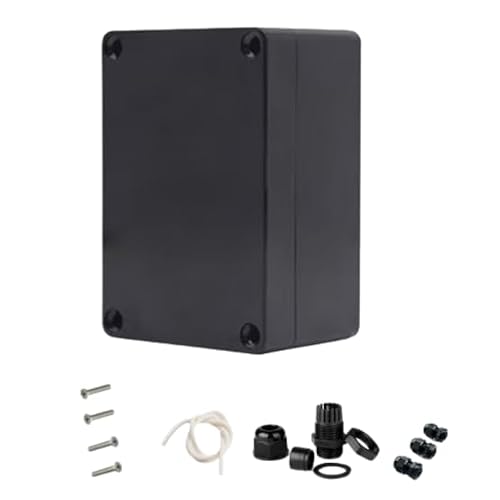
Project Boxes for Electronics: Made of high-quality ABS material that offers outstanding impact resistance and electrical insulation, Moisture-proof, sunscreen, anti-corrosion, and durable for years of use.

【Size】- Outer size of the project box: 3.94"x2.68"x1.97"(100 x 68 x50 mm); Inner size of the project box:3.66" x2.4" x 1.73" (93 x61 x44mm)

Model: M16x1.5 ; Cable Range: 4-8mm ; Thread Length: 7mm.
Cable Gland Sealing, Strain Relief, and Material Selection Explained
Strain relief is essential for protecting conductors from tensile loads that could cause damage. It achieves this by creating a gradual transition in stiffness between the flexible cable and the rigid enclosure, preventing stress concentration at the entry point. When selecting materials for strain relief, opt for nylon if you need a lightweight solution or brass for durability in industrial environments. For environments exposed to moisture or corrosion, stainless steel 316L provides excellent resistance. Your choice should consider the mechanical load it needs to withstand and the environmental conditions it will face. For example, using flush-cutting tools ensures a clean finish on the cable tie tails that secure the cable, preventing sharp edges that could compromise the seal. For homeowners, comparing top solar panel options can help you find a cost-effective energy solution that meets your specific needs. To ensure system reliability, a battery hydrometer helps you measure the specific gravity of electrolyte in lead-acid batteries, confirming proper charge levels.

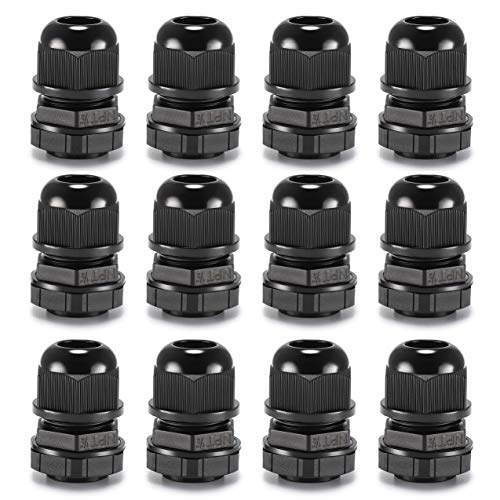
Premium New Material: Our cable gland is crafted from high-grade, RoHS- and REACH-compliant new plastic. It withstands long-term use without cracking from UV exposure, stress, or harsh environments. This ensures you won’t worry about hidden damage or unexpected replacements, lowering your Total Cost of Ownership

Quantity: 12 PCS 1/2 NPT waterproof adjustable cable gland, black

WIRE PROTECTION — Provides strain relief to cables and wires passing through plates or connecting to electrical equipment. Outer Drill Diameter: 0.850"
Why Cable Glands Are Critical in Hazardous and Harsh Conditions
Hazardous environments require certified barrier-style cable glands that provide fail-safe sealing and mechanical support. These glands must comply with specific standards like IEC 60079-14, which ensures compatibility with zone classifications, or UL 2225 and CSA requirements for North American applications. It’s essential that a gland’s protection type either matches or exceeds the enclosure’s rating, whether flameproof (Ex d), increased safety (Ex e), or dust-ignition-proof (Ex t). Selecting the correct classification guarantees the integrity of explosion containment and keeps safety standards intact. Similar to how you might quickly locate your apartment’s breaker box behind a utility panel, knowing where to find a gland’s rating markings ensures correct installation. Properly verifying these markings is akin to using a clamp-on amp meter to confirm current levels before working on live equipment. Just as a fuse block organizes and protects electrical circuits for safe power distribution, a cable gland organizes and seals the cable entry point for safe system operation.
Durability in harsh conditions depends on robust gland construction. You need glands with verified IP ratings indicating resistance to dust and water ingress—particularly vital in outdoor, washdown, or corrosive environments. Environmental factors such as vibration, corrosion, moisture, and temperature cycling can compromise gland performance if not properly addressed. Using dual-certified glands that can withstand multiple hazardous zones—like Ex db, eb, or tb—ensures long-term protection and maintains the safety barrier against diverse operational challenges.